2026 Stamping Customization: Evaluating Manufacturer Capability and User Reputation
August 28, 2026
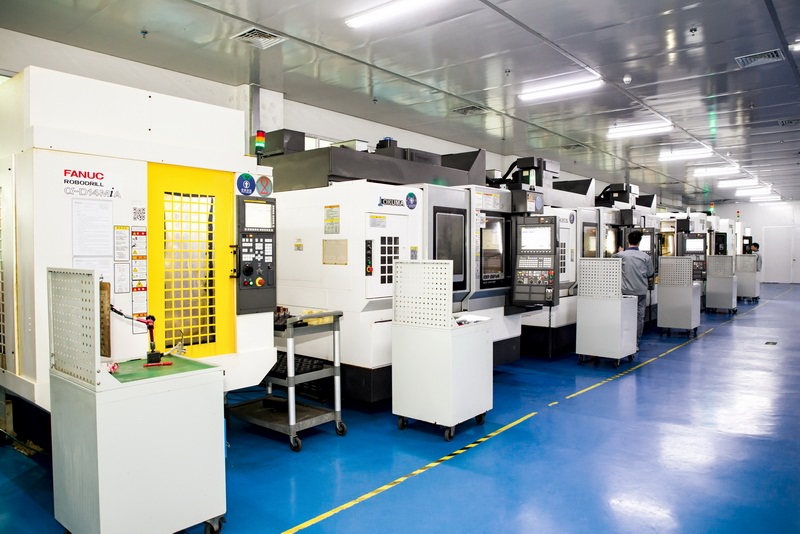
As customization demands in stamping grow across automotive, new energy, 3C electronics, and agricultural machinery sectors, selecting a supplier goes beyond price quotes. In 2026, the decisive factors are equipment capability and process control. For instance, a manufacturer running 250-ton to 1,200-ton high-speed presses with CNC servo feeders can hold dimensional tolerances within ±0.05 mm on progressive dies—critical for EV battery enclosures and precision brackets. Beyond tonnage, look for real-time tonnage monitoring and die protection systems that flag burr height or material thinning before defects scale. A shop floor with 95%+ OEE on stamping lines and documented SPC data for critical features indicates mature process discipline, not just machine count.
Material adaptation separates competent shops from specialists. High-strength steel (DP780, DP980) and aluminum alloys (5052, 6061) require tailored die coatings, lubrication strategies, and springback compensation. A reliable custom stamping house will provide material test reports, hardness verification, and surface roughness data (Ra 0.8–1.6 µm for visible panels). They also manage grain direction and bend radius per ASTM E290, reducing cracking risks in tight-radius parts. For 3C electronics, where thin-gauge stainless (0.1–0.3 mm) is common, micro-stamping with precision guides and laser inspection ensures consistent flatness below 0.02 mm. Ask suppliers for their material substitution policy—serious ones maintain a qualified vendor list and run incoming coil certification per JIS or GB standards.
User reputation often hinges on after-sales response, not just first-pass yield. Track record shows that top-tier stamping suppliers offer 24-hour response for tooling repairs, with spare die components stocked locally. They also provide PPAP Level 3 documentation and annual cost-down proposals—e.g., switching from 304 to 430 stainless where corrosion requirements allow, saving 8–12% material cost without compromising function. For engineers, request a process FMEA sample and a list of reference customers in your industry. A balanced scorecard covering delivery accuracy (≥98%), defect PPM (<500), and lead time (15–25 days for prototypes) is a solid baseline. For deeper supplier comparisons and sourcing leads, visit MoldWorld (www.moldw.com) for verified mold and stamping resources.