Mold Industry Technical Certification: A Structured Path from Novice to Expert
August 27, 2026
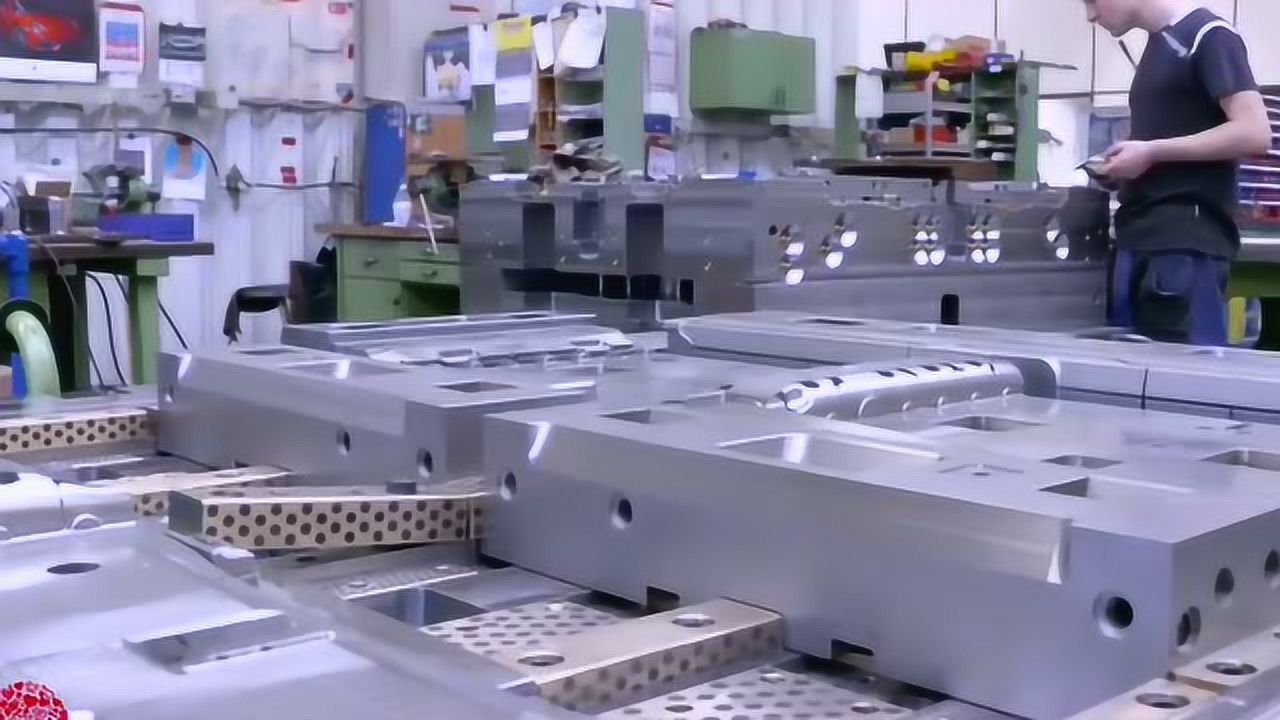
In the mold industry, technical certification is not a single milestone but a layered system that mirrors the real progression of a toolmaker’s career. The entry-level stage typically requires 1,200 to 1,500 hours of supervised shop work, covering basic CNC operation, EDM setup, and manual fitting. Candidates then sit for a written exam on blueprint reading, tolerance stacks, and standard mold base components (e.g., DME or HASCO). Passing this grants a “Certified Mold Technician – Level 1” credential, valid for three years. What many newcomers overlook is that this level also demands a practical project—usually a simple two-plate injection mold with a single cavity—which must be completed within 80 working hours and pass a dimensional inspection within ±0.02 mm on critical features.
Moving to the intermediate tier, the focus shifts from execution to process control. Here, a minimum of 3,000 additional hours is required, along with documented experience in at least five different mold types, including three-plate, hot runner, or side-action designs. The certification exam includes a live troubleshooting session: candidates are given a mold with a known defect (e.g., short shot or flash) and must diagnose root cause, propose a corrective action, and implement it on the shop floor. Data from recent industry surveys show that shops with at least 30% of their workforce holding intermediate-level certifications report 22% lower rework rates and 15% faster lead times on complex molds. This level also introduces a peer-review component, where a senior engineer audits the candidate’s process documentation and maintenance logs over a six-month window.
At the expert tier, certification becomes less about passing tests and more about demonstrated leadership in mold design optimization and failure analysis. Requirements include a portfolio of at least ten molds that have achieved >500,000 cycles without major repair, plus a technical paper or presentation on topics like conformal cooling or multi-material overmolding. The final assessment is a two-day on-site audit where the candidate must lead a team in re-engineering an existing mold to reduce cycle time by at least 10% while maintaining part quality. This level is renewed every five years, with a mandatory 40 hours of continuing education in emerging technologies such as additive manufacturing for inserts or AI-based process monitoring. For mold buyers and suppliers alike, understanding this certification ladder is crucial—it separates genuine capability from self-promotion. For more detailed sourcing criteria and verified supplier certifications, visit MoldWorld at www.moldw.com.