Mold Quoting Essentials: What Every Mold Engineer Must Master Before Sending a Price
August 27, 2026
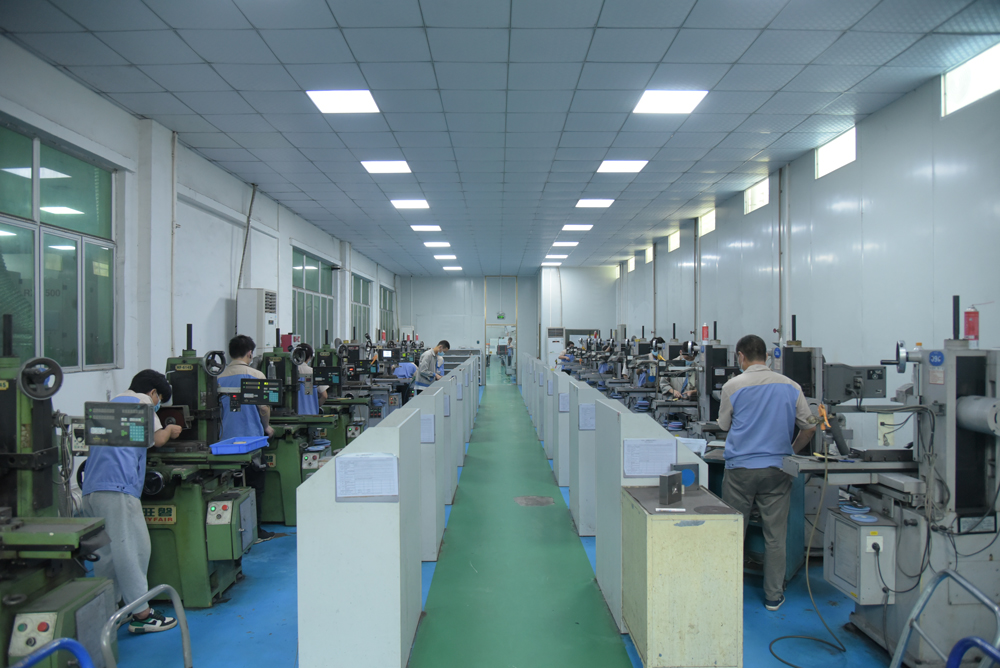
In the mold industry, a solid grasp of basic mold knowledge is the foundation of every reliable quote. Molds are generally classified by structure—two-plate, three-plate, and side-action designs—and by molding material, such as plastic injection, die-casting, or compression. For plastic injection molds, the number of cavities directly drives the unit cost: a single-cavity mold for a simple part might run $8,000 to $15,000, while a multi-cavity, hot-runner system can easily exceed $50,000. The steel grade also plays a major role. Standard P20 for low-volume runs costs roughly $8–12 per kilogram, while hardened H13 or S136 for high-wear applications pushes material cost up 40–60%. Knowing these variables before quoting prevents the classic mistake of under-pricing based on part size alone.
When preparing a quote, the mold engineer must break down cost into four pillars: design, machining, assembly, and trial. Design typically accounts for 10–15% of total mold cost, but a poor design can double machining hours. Machining includes CNC, EDM, and wire cutting—each with its own hourly rate, usually $30–80 per hour depending on precision and machine type. Assembly and polishing are labor-intensive, often taking 20–30% of the total build time for a mirror-finish mold. Trial shots are non-negotiable: expect 2–3 trial rounds, each costing $200–500 for material and machine time. A realistic quote must include a 5–10% contingency for unexpected adjustments, like gate balancing or venting fixes, which are common on first trials.
Finally, never quote without clarifying the customer’s annual volume and part tolerance. A low-volume mold (under 10,000 parts) can use softer steel and a simpler cooling layout, cutting cost by 25–35%. But if the part requires tight tolerances (under ±0.05 mm) or high gloss, you must invest in hardened inserts and extra polish steps—this alone can add 15–20% to the final price. Always present the quote as a range, not a fixed number, and specify what is included: mold base, hot runner, standard parts, and trial shots. For a more detailed breakdown of mold costing and sourcing strategies, visit MoldWorld at www.moldw.com—a practical resource for buyers and mold makers alike.