Exchange Rate Fluctuations and Cost Control Strategies in Mold Machining
August 25, 2026
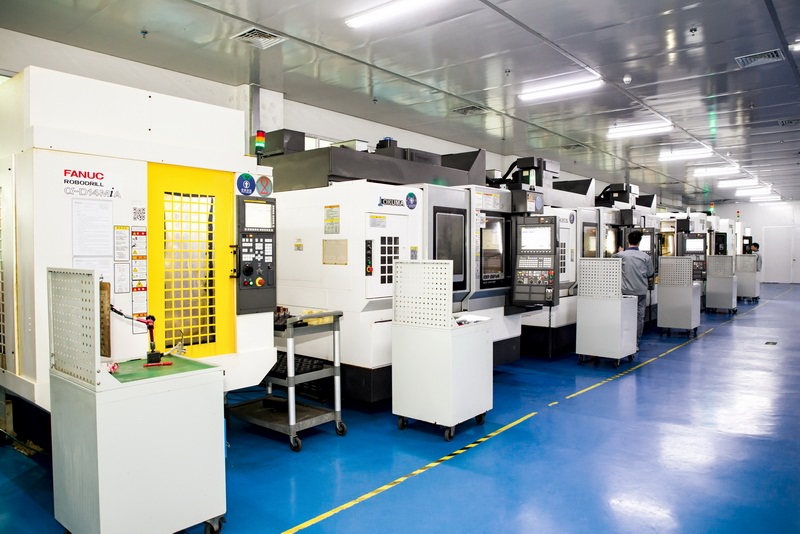
In the mold industry, where precision machining cycles often stretch across 4 to 8 weeks, exchange rate swings can quietly erode profit margins before a single cavity is polished. A typical mid-sized injection mold priced at $80,000 may carry 35–40% of its material and labor costs in imported steel (e.g., S136, H13) or coated inserts from Europe or Japan. When the local currency weakens by 5% against the USD during the lead time, that translates to roughly $1,400–$1,600 in unplanned cost on a single order—money that often cannot be passed to the buyer due to fixed quotes. For job shops running 15–20 molds per month, the cumulative impact is substantial, forcing owners to rethink how they quote, hedge, and schedule purchases.
One practical approach is to shift from spot purchasing to forward buying of key consumables and raw blocks. For example, locking in tool steel prices for 3–6 months via supplier agreements, even with a small 2–3% premium, provides a buffer against sudden currency moves. Another tactic is to denominate quotes in a dual-currency structure: base price in USD, with a clause that adjusts for movements beyond ±3% from the agreed rate. This is becoming common in automotive-grade mold contracts in Southeast Asia and Mexico. Additionally, machining shops can stagger the import of high-cost items like hot runner systems or DLC-coated cores to align with payment milestones, reducing the need for large upfront foreign currency exposure. On the shop floor, using domestic equivalents for standard mold bases (e.g., P20 or 718H from local mills) where tolerance allows can cut import dependency by 20–30%, directly lowering exchange-rate risk.
Cost control is not just about the quote—it is about operational flexibility. Many experienced mold engineers now build a 2–3% “currency buffer” into their hourly machine rate, rather than a fixed overhead percentage, which keeps pricing competitive while protecting against minor fluctuations. For long-term projects, quarterly price reviews tied to central bank reference rates are a fair and transparent method that both buyers and suppliers accept. Ultimately, the goal is to stabilize the total cost of ownership without sacrificing machining quality or delivery dates. For more insights on mold sourcing strategies, supplier vetting, and cost modeling, visit MoldWorld (www.moldw.com) for a dedicated network of mold makers and technical resources.