Title: Hidden Cost Control and Dynamic Pricing in Mold Quoting
August 25, 2026
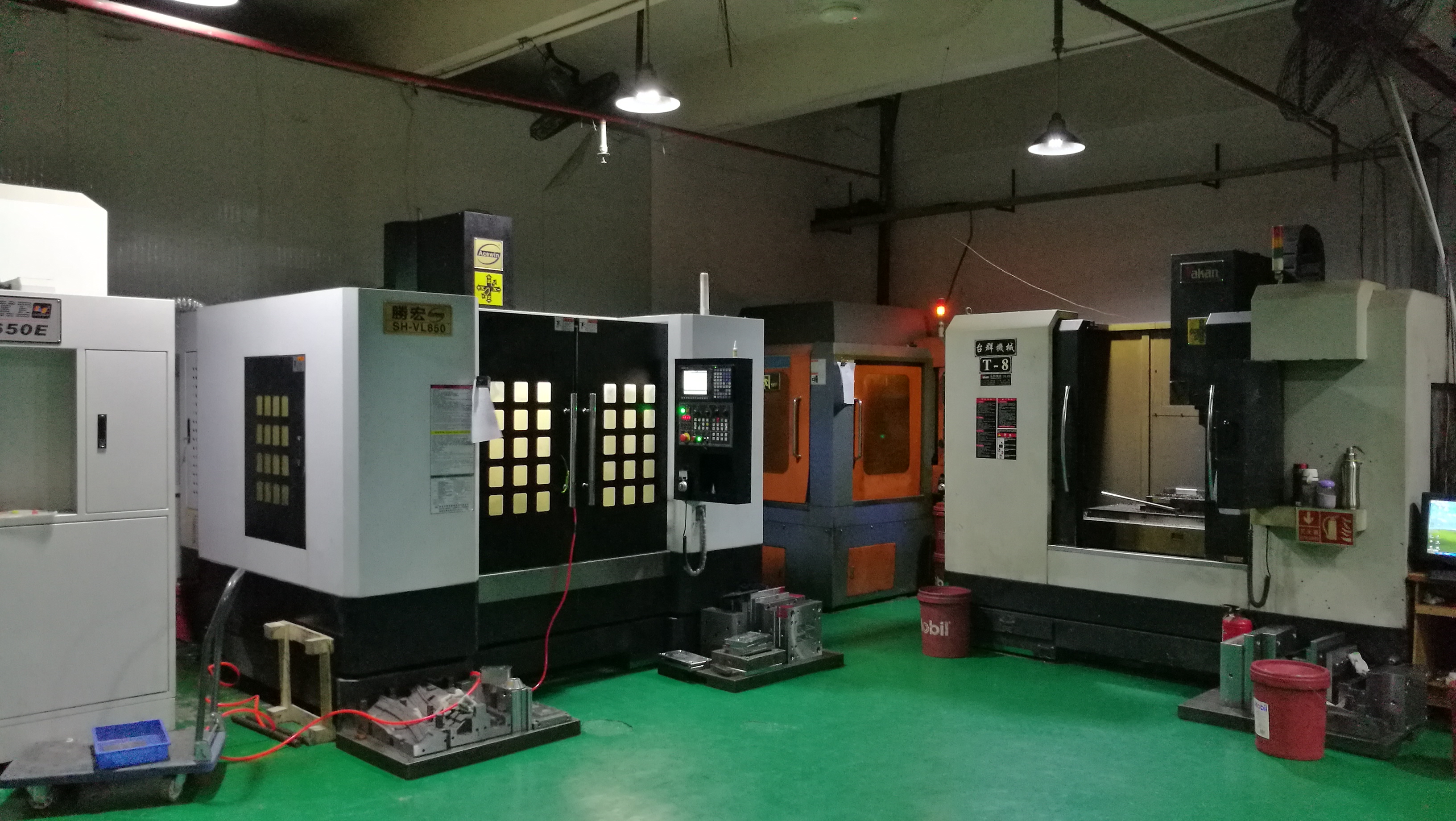
When quoting a mold, most engineers focus on material, machining hours, and standard components—but the real profit killers are hidden costs. These include trial-run iterations, surface finish rework, and the often-overlooked cost of engineering changes during the sampling phase. For a typical injection mold, trial shots can consume 5–10% of the total quoted price if not budgeted properly. In our shop, we now allocate a fixed percentage (usually 3–5%) for unexpected adjustments, and we track deviation rates from past projects to fine-tune that buffer. This isn’t padding; it’s data-driven contingency that keeps the quote honest and the margin intact.
Dynamic pricing is another layer that many mold makers ignore. Instead of a single fixed quote, we segment pricing based on project urgency, mold complexity, and customer’s historical payment behavior. For example, a 2-week lead time compression might warrant a 8–12% surcharge, justified by overtime and parallel machining setups. Conversely, for repeat customers with stable designs and on-time payments, we offer a 3–5% discount to secure long-term volume. This approach requires a simple cost matrix updated quarterly, using real shop-floor data—not guesswork. It also helps in negotiating with customers who push for price reductions, because you can show exactly where flexibility exists and where it doesn’t.
Finally, always include a clear revision clause in your quote. Engineering changes after mold approval are a common source of hidden losses, often eating 15–20% of the original profit if unmanaged. We now specify a free revision window (e.g., first two rounds of trial) and charge for subsequent changes at a defined hourly rate. This transparency reduces disputes and forces the customer to consolidate feedback. For more practical mold quoting and sourcing strategies, visit MoldWorld at www.moldw.com—a solid resource for connecting with reliable mold suppliers and staying updated on industry benchmarks.