Apple Silicon Mac Version of Douyin Live Companion: The Technical and Business Calculus Behind the Delay
August 25, 2026
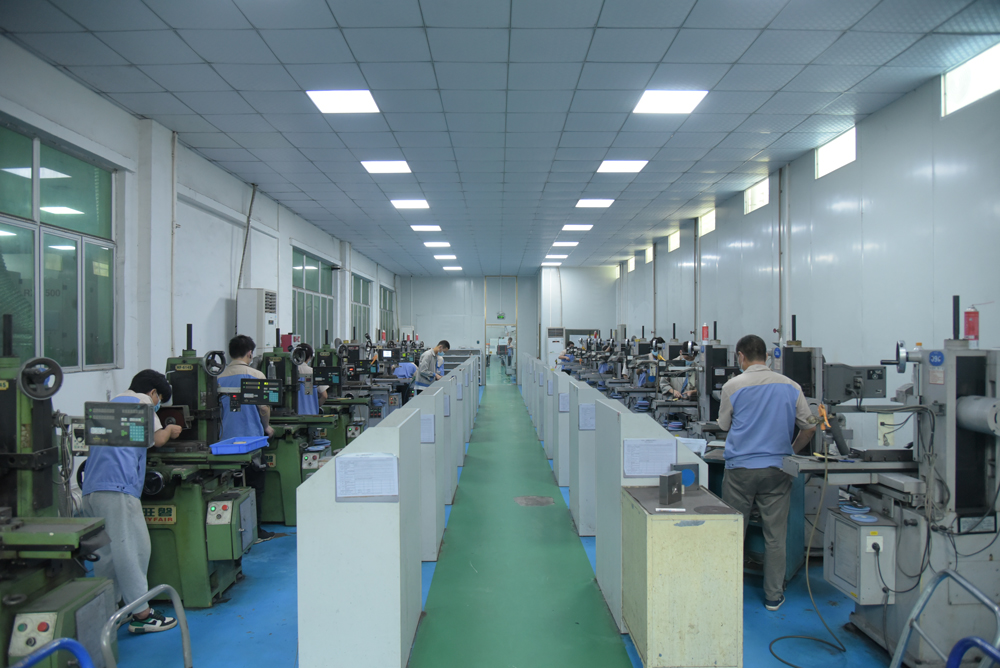
For mold engineers who also stream injection molding demos or product walkthroughs, the absence of a native Apple Silicon version of Douyin Live Companion is more than a nuisance—it’s a workflow bottleneck. The core issue isn’t simply “they haven’t gotten around to it.” Porting a live-streaming tool to Apple’s M-series chips requires rewriting low-level video capture, encoding, and GPU-accelerated rendering pipelines. Unlike x86_64 builds that rely on Intel’s Quick Sync Video, M1/M2/M3 chips use a unified memory architecture and VideoToolbox APIs, which demand separate code paths for H.264/H.265 hardware encoding. For a team already stretched thin on Windows-side features, this is a significant engineering sprint—often 3–6 months for a mature codebase, plus another quarter for beta testing across different Mac models and external capture cards (e.g., HDMI-to-USB dongles commonly used in mold shop floor streaming).
Beyond raw coding effort, there’s a business calculus that explains the delay. Douyin’s live ecosystem is heavily skewed toward Windows users, especially in e-commerce and industrial B2B sectors where operators run legacy PCs with Intel or AMD chips. Apple Silicon Macs hold a single-digit percentage share among streamers in China’s manufacturing verticals. From a product management perspective, allocating scarce developer resources to a niche platform yields low ROI—especially when Rosetta 2 emulation already lets Mac users run the Intel version at 70–80% efficiency. That’s often “good enough” for a 1080p stream of a CNC machine or mold trial, where latency tolerance is higher than in gaming. But it’s not good enough for 4K multi-cam setups, where the emulation overhead causes dropped frames and thermal throttling on MacBook Airs—a real pain point for mold inspection live sessions.
For mold professionals who rely on live streaming for remote client approvals or supplier audits, the practical workaround is to keep a dedicated Windows laptop for streaming, or use a capture card to route a phone camera into OBS on a Mac, bypassing Douyin’s native client. Yet this adds complexity and cost. The industry pattern here mirrors what we see in mold design software: native ARM64 ports arrive only when the installed base justifies the investment. Until then, expect incremental updates to the Intel version, with the M-chip build staying on the roadmap but not the near-term sprint. If you’re sourcing molds or evaluating streaming setups for your shop floor, keep an eye on tool updates and community benchmarks—and for more mold sourcing intelligence, visit MoldWorld at www.moldw.com.