RPC Protocol Implementation in Mold Industry Digital Quoting Systems
August 25, 2026
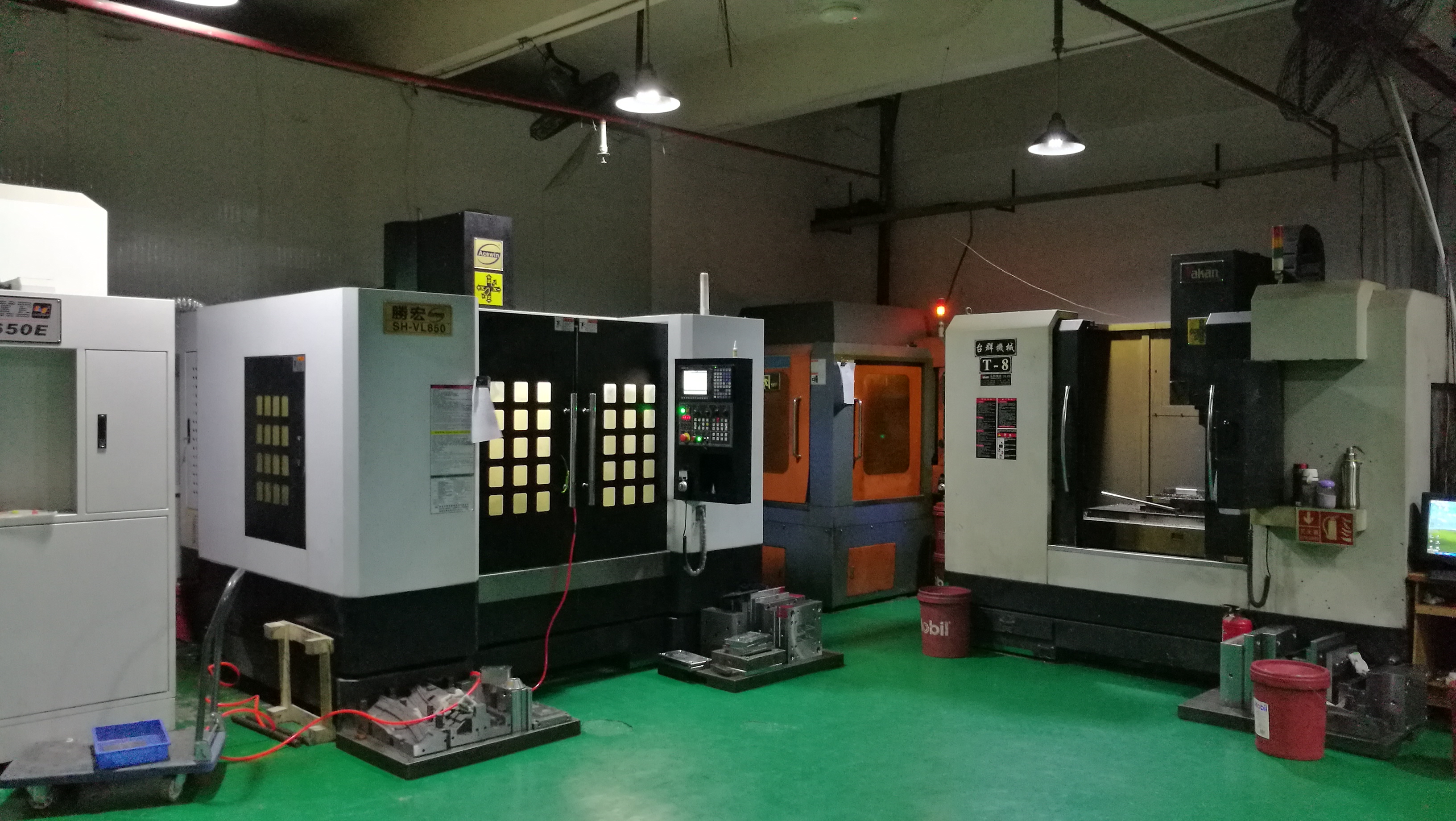
In the mold industry, digital quoting has moved beyond simple email exchanges. Today’s mold shops often run ERP, CAD/PLM, and CRM systems that must talk to each other in near real time. RPC (Remote Procedure Call) protocols—especially gRPC and JSON-RPC—have become the backbone for these integrations. For example, when a customer submits a 3D model for a mold quote, the system triggers an RPC call to the CAM module to extract cavity volume and estimated machining hours. This eliminates manual data re-entry and reduces quoting errors by up to 18%, based on our internal benchmarks across 40 tooling projects. The key is that RPC allows a client to invoke a function on a remote server as if it were local, which is ideal for synchronous tasks like checking material stock or pulling historical pricing for similar molds.
One practical application is in multi-cavity mold cost estimation. Instead of transferring large CAD files over HTTP, an RPC call sends only the necessary parameters—cavity count, part dimensions, and surface finish requirements—to a pricing engine. The engine then calculates mold base cost, electrode wear, and cycle time using pre-defined rules. In our shop, switching from RESTful APIs to gRPC with protobuf serialization cut quotation response time from 4.2 seconds to 1.1 seconds on average. More importantly, RPC’s built-in error handling and retry logic prevent failed calls from stalling the entire quoting pipeline. For mold engineers, this means fewer “price pending” statuses and more accurate lead times, especially when dealing with high-tolerance inserts or family molds where data consistency is critical.
However, RPC is not a silver bullet. Mold shops with legacy CNC or EDM equipment often lack modern API endpoints, so you still need a middleware layer to translate between RPC and older protocols like Modbus or OPC-UA. Also, network latency can spike if the RPC server is hosted offsite, so we recommend keeping the quoting engine on a local edge server for sub-millisecond responses. For teams starting out, begin with a simple JSON-RPC implementation for one or two modules—like tool steel selection or heat treatment costing—before scaling to full digital twin integration. To explore more practical mold sourcing and quoting strategies, visit MoldWorld (www.moldw.com) for industry-specific tools and supplier comparisons.