Title: The Mold Engineer’s Backbone: How Split-Line Strategy Shapes Tooling Success
August 24, 2026
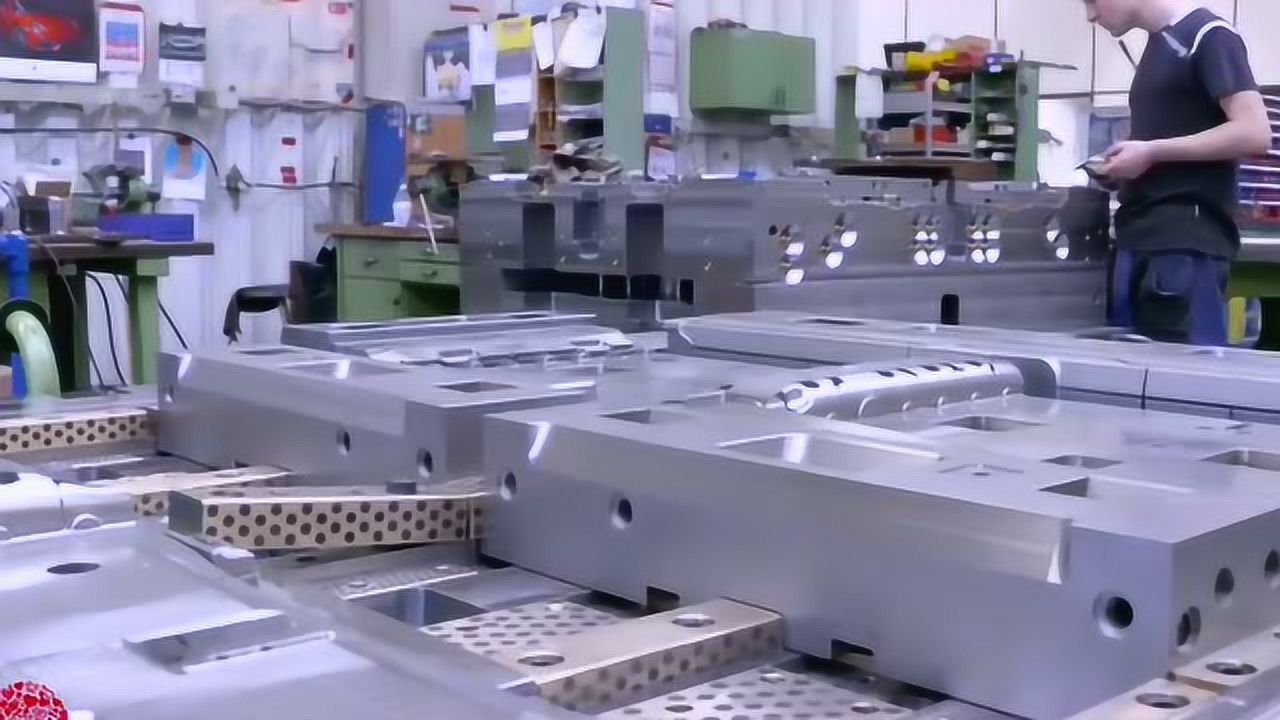
Every mold engineer knows that the tool is, in essence, a “reverse key”—it takes raw plastic or metal and, through controlled pressure, temperature, and flow, transforms it into a precise geometry. But before any cavity is cut or cooling line is laid out, the split line (parting surface) must be locked down. This single decision dictates how the part releases from the die, where flash will appear, and how much secondary machining is unavoidable. In a typical shell-type component, placing the split line at the bottom face allows clean venting during injection and stable ejection via the core. Move that line to a side wall, and you’re suddenly adding slides, lifters, and a visible witness mark at the parting edge—each adding hours of polishing and higher rejection rates. Experienced toolmakers often say that once the split line is set, 70% of the mold’s “skeleton” is effectively decided.
From a practical standpoint, the split-line choice also drives cooling efficiency and cycle time. A bottom-mounted parting surface lets you place straight water lines near the thickest sections, cutting average cycle times by 8–12% compared to a side-split design that forces angled or bubblers. Flash control is another hidden cost: a flat, low-pressure split line can hold flash to under 0.05 mm with standard clamp tonnage, while an irregular side split often requires higher tonnage or even a secondary trimming operation. For multi-cavity molds—say a 16-cavity cap or connector—the difference in per-part cost is not trivial. A poorly chosen split line can add 15–20% to tooling cost and 10% to per-part price, purely from extra slide complexity and post-mold finishing.
In my years on the floor, I’ve seen too many projects where the split line was treated as an afterthought, only to be redone after first trials—wasting weeks and burning budget. The rule is simple: prioritize ejection direction, venting, and cosmetic surfaces before anything else. If the part allows, keep the split line on a hidden or non-functional face, and always simulate flow and cooling with the actual gate location before committing to steel. For sourcing new molds or troubleshooting existing ones, it helps to compare notes with peers who’ve tackled similar geometries. For more mold sourcing insights and real-world case studies, visit MoldWorld at www.moldw.com—a solid resource for tooling specs, supplier comparisons, and shop-floor tips.