Title: The Three Pillars of Die Casting: How Pressure, Temperature, and Speed Work in Tandem
August 24, 2026
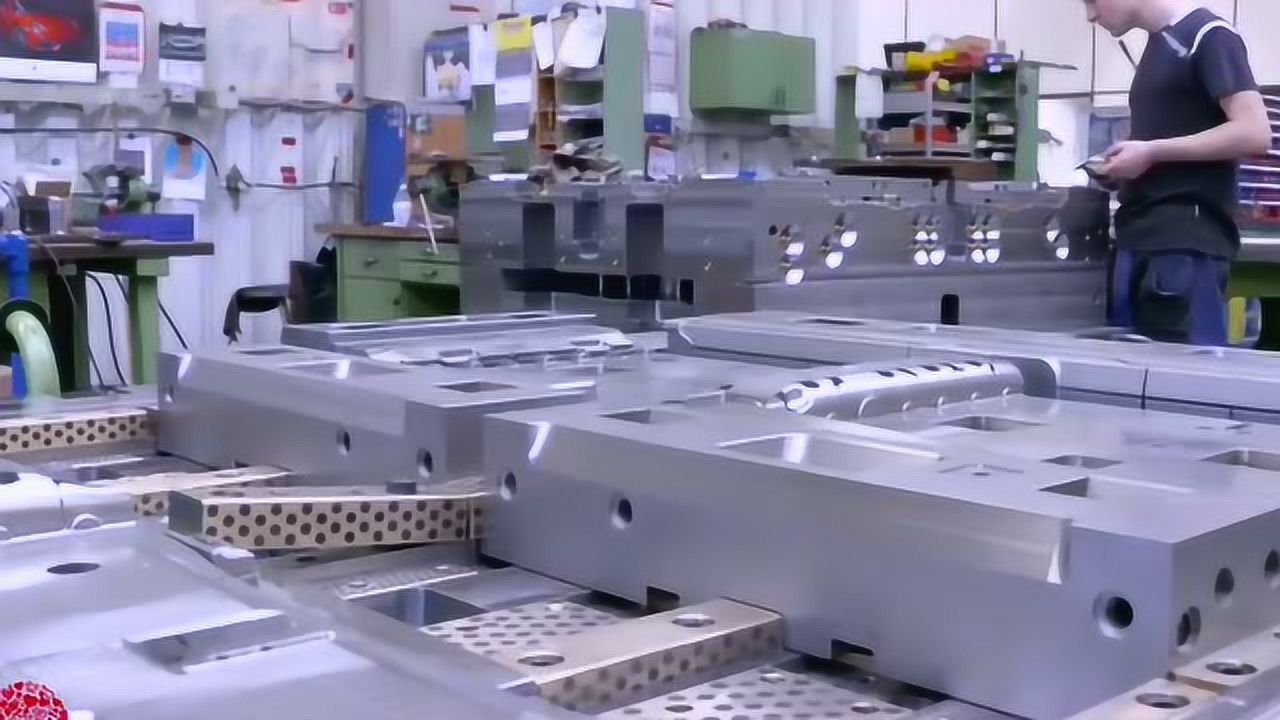
In die casting, the “big three” – injection pressure, die temperature, and fill speed – are never independent variables. On the shop floor, we treat them as a coupled system. For example, raising the injection pressure without adjusting the die temperature often leads to premature solidification at the gate, causing cold shuts or porosity. Our typical aluminum alloy (A380) runs at a die surface temperature of 180–220°C, with a melt temperature around 660–680°C. If the die runs too cold, the fill speed must be increased to avoid incomplete filling, but that risks air entrapment. Conversely, a hot die allows lower pressure and slower fill, which improves density but extends cycle time. The real trick is balancing these parameters against the part geometry – thin walls demand faster fill, while thick sections require higher pressure to feed shrinkage.
Consider a real case: a 2.5 mm wall thickness housing for an automotive sensor bracket. We started with a fill speed of 2.5 m/s and a specific pressure of 600 bar. The first trial showed micro-porosity near the overflow. By lowering the fill speed to 1.8 m/s and increasing the die temperature to 210°C, we reduced the porosity to under 1% without changing the cycle time. The key was that the slower fill allowed the melt to push trapped air ahead, while the hotter die kept the flow front fluid. This is the classic synergy: speed controls the flow pattern, temperature controls the solidification gradient, and pressure controls the final density. In practice, we always run a short thermal imaging check on the die before adjusting any single parameter – it saves hours of trial and error.
For mold designers, the lesson is to design cooling channels that match the intended pressure–speed profile. If you anticipate high pressure, place cooling lines closer to the cavity to avoid hot spots that soften the die steel. Also, remember that machine settings are only half the story – the ejector pin layout and venting slots directly affect how the three elements behave. A well-vented die with balanced gates lets you run lower pressure, which extends die life. In my experience, a 10% reduction in injection pressure can double the tool’s shot count before cracking. For sourcing reliable dies and die-casting machines that handle these tight tolerances, visiting MoldWorld (www.moldw.com) gives you access to vetted suppliers and technical comparisons – worth a look before your next project.