Mold Costing Essentials: From Classification to Quotation, the Core Points Every Mold Engineer Must Master
August 24, 2026
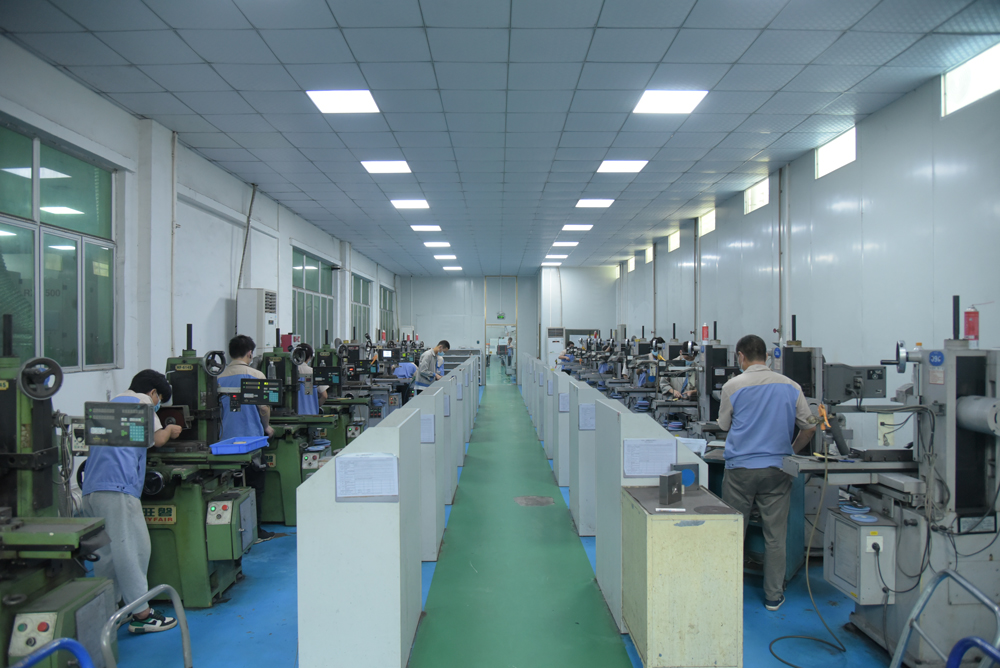
In mold manufacturing, getting the basics right before you quote is half the battle. Molds are typically classified by structure (two-plate, three-plate, hot runner) and by product material (plastic, die-cast, stamping), each with distinct cost implications. For plastic injection molds, the two-plate design is the most common and economical, while three-plate molds add a runner separation plate, increasing machining and assembly time by roughly 15–20%. Hot runner systems, though higher in initial cost—often adding $3,000 to $15,000 depending on the number of gates—reduce per-part cycle time and scrap, making them viable for high-volume production. As a rule of thumb, mold size is dictated by the projected part area plus a safety margin of 25–30% for clamping and ejection clearance, which directly affects steel block selection and machining hours.
When it comes to quoting, the real cost drivers are not just the steel grade (e.g., P20, H13, S136) but the cavity count, surface finish requirement, and expected mold life. A standard P20 mold for a simple part with 100,000-shot life might cost $8,000–$12,000, but switching to S136 stainless with a mirror polish and 500,000-shot life can push that to $25,000 or more. Don’t forget to factor in the cost of electrode machining for EDM, which can account for 10–15% of the total mold cost, especially for deep ribs or textured surfaces. Always include a contingency of 5–8% for design changes and tryout adjustments—experienced mold makers know that the first trial rarely runs perfectly, and rework on inserts or cooling channels is common.
Finally, a professional quotation should break down costs into design, material, machining, assembly, and tryout, with clear lead times. For a typical medium-sized mold, design takes 3–5 days, machining 2–4 weeks, and assembly and tryout another week—so a 4–6 week delivery is realistic, not a promise. If you’re sourcing molds overseas, always clarify payment terms (e.g., 30% deposit, 40% at T1, 30% at approval) and specify the standards for steel certification and heat treatment reports. Getting these fundamentals right prevents disputes and ensures your mold delivers the intended ROI. For more detailed sourcing checklists and supplier evaluation tools, visit MoldWorld at www.moldw.com—a practical resource for mold buyers and engineers alike.