Title: The Practical Logic of Stamping: What Every Mold Engineer Should Know
August 24, 2026
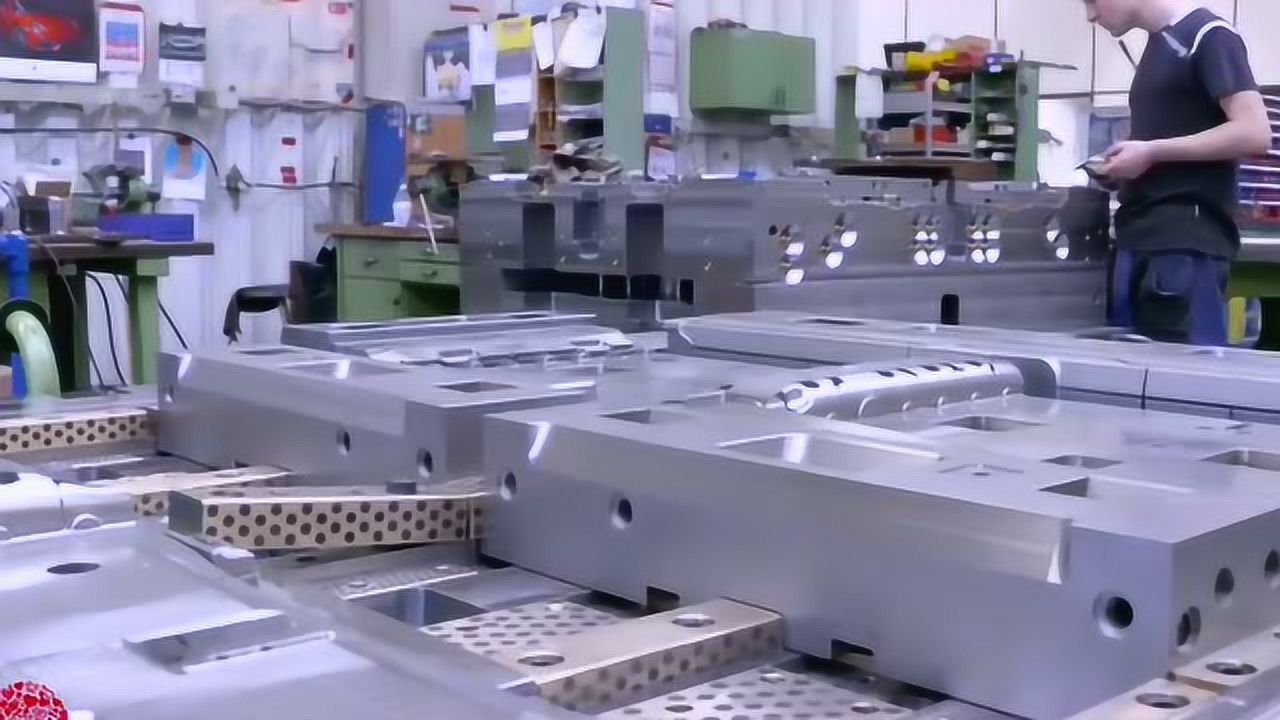
The essence of stamping lies in applying external force through a press and die to sheet or strip metal, inducing plastic deformation or separation to produce parts of desired geometry. While this sounds straightforward, the shop floor tells a different story. In daily practice, we deal with four fundamental operations—blanking, bending, deep drawing, and forming—each demanding distinct control over die clearance, blank holder force, and springback compensation. For instance, when working with 1.0 mm thick SPCC cold-rolled steel, the recommended blanking clearance typically falls between 5% and 8% of material thickness. Too tight a clearance accelerates cutting edge wear, while excessive clearance reduces the burnish zone ratio and leads to burr formation, which directly compromises downstream assembly fit and dimensional stability.
Beyond clearance, the mold engineer must also account for material anisotropy and lubrication conditions. In deep drawing, for example, the blank holder force must be tuned to prevent wrinkling without causing tearing—often requiring iterative trials even for experienced toolmakers. Springback, another critical factor, varies with yield strength and bend radius. For high-strength steels, we often over-bend by 2° to 5° or use stepped dies to compensate. Additionally, die surface treatment, such as TiN coating or nitriding, extends tool life by 30%–50% in abrasive stamping operations, which is a cost consideration often overlooked during quoting. These details are not theoretical—they are the difference between a smooth production run and a scrap bin full of rejected parts.
In my experience, successful stamping is less about memorizing formulas and more about understanding the interaction between material, geometry, and process parameters. A robust die design starts with a thorough feasibility check, including simulation of material flow and stress distribution. It also pays to document every trial result—clearance, lubrication, press speed—so that future jobs benefit from past learnings. For those looking to deepen their sourcing and technical knowledge, visiting MoldWorld (www.moldw.com) provides access to a wide network of mold suppliers, tooling standards, and practical engineering insights that can help you make more informed decisions on your next stamping project.