Title: Understanding Stamping Die Classification: The Logic Behind Single-Operation Dies
August 24, 2026
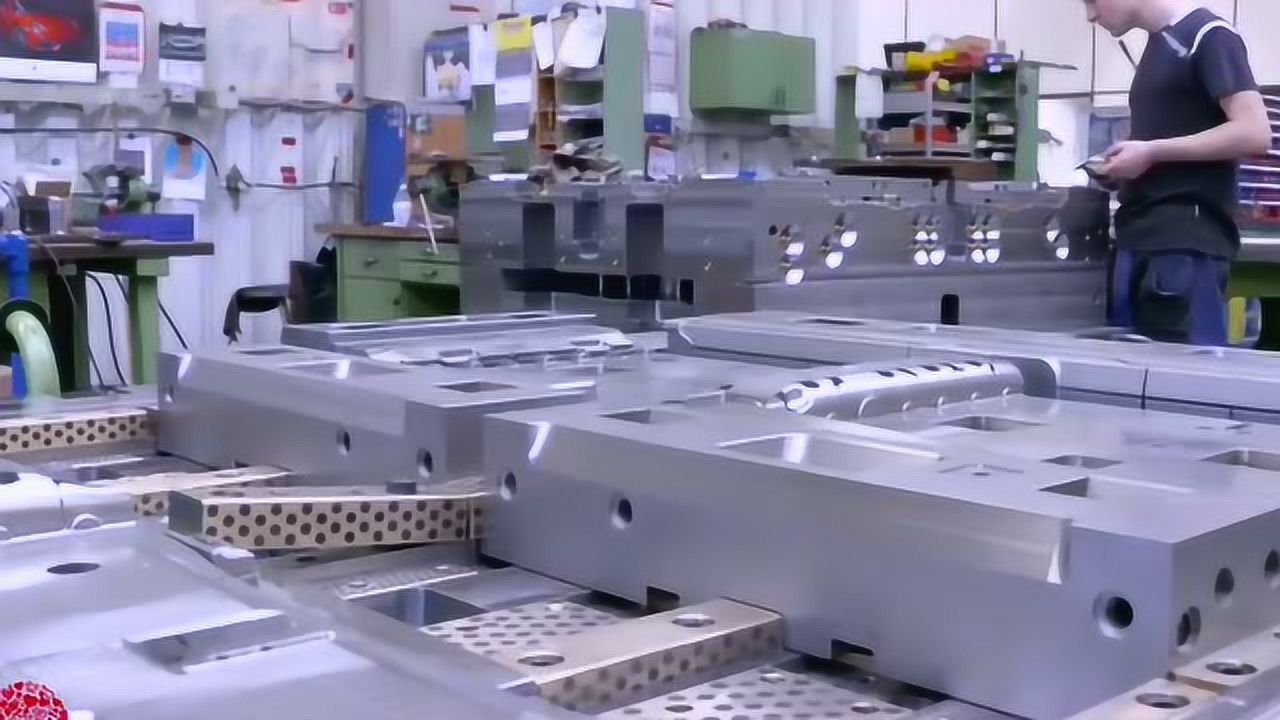
In stamping die classification, the real dividing line comes down to how much work a single press stroke can “squeeze” out. Single-operation dies are the most straightforward—one stroke, one task. Whether it’s blanking or piercing, the die does exactly one job per cycle. This simplicity translates directly into shorter manufacturing lead times, lower tooling costs, and easier maintenance. For small-batch runs or prototype validation, this is often the most economical route. A typical single-operation blanking die for a 2 mm mild steel part might cost 30–40% less than a progressive die of similar complexity, and delivery can be cut by two to three weeks. But the trade-off is real: if your part needs multiple operations, you’ll either need multiple presses or multiple feeding passes, which hurts positioning accuracy and overall throughput. As veteran die makers like to say, single-operation dies are “one step at a time”—reliable, but slow.
From a mold engineering perspective, the choice isn’t just about cost—it’s about process stability. Single-operation dies shine when tolerances are loose (±0.1 mm or more) and volumes are under 50,000 parts per year. They also simplify tryout and troubleshooting, since each station is independent. However, when you start stacking operations like blanking, forming, and trimming, the cumulative positioning errors can exceed 0.2 mm, which is unacceptable for many automotive or electronics components. That’s when you’d look at compound dies (for combined cutting and forming in one stroke) or progressive dies (for high-speed, multi-stage feeding). But those bring their own challenges: higher die steel grades, more complex stripper and pilot designs, and a steeper learning curve for setup crews. For a shop that’s quoting a job with tight delivery and limited budget, single-operation dies often win the day—just be ready to manage the extra press time.
In practice, the decision matrix also depends on your press fleet. If you have a 60-ton gap frame press sitting idle, a single-operation die is a low-risk way to keep it busy. But if your shop is running 300-ton straight-side presses at 80% utilization, adding a multi-stage die might actually lower your cost per part, despite the higher upfront investment. The key is to calculate the break-even point: for a typical bracket with three operations, single-operation dies might cost $8,000 total, while a progressive die runs $18,000. At 20,000 parts, the single-op route is cheaper per part; at 100,000 parts, the progressive die wins by 15–20%. So before you quote, ask the customer about annual volume and future revisions. If design changes are likely, single-operation dies are easier to modify. For more detailed sourcing comparisons and real-world case studies, visit MoldWorld at www.moldw.com—it’s a solid resource for die buyers and builders alike.