Balancing Injection Mold Cost and Tool Life: A Practical Guide from Process Parameters to Shop Floor Management
August 24, 2026
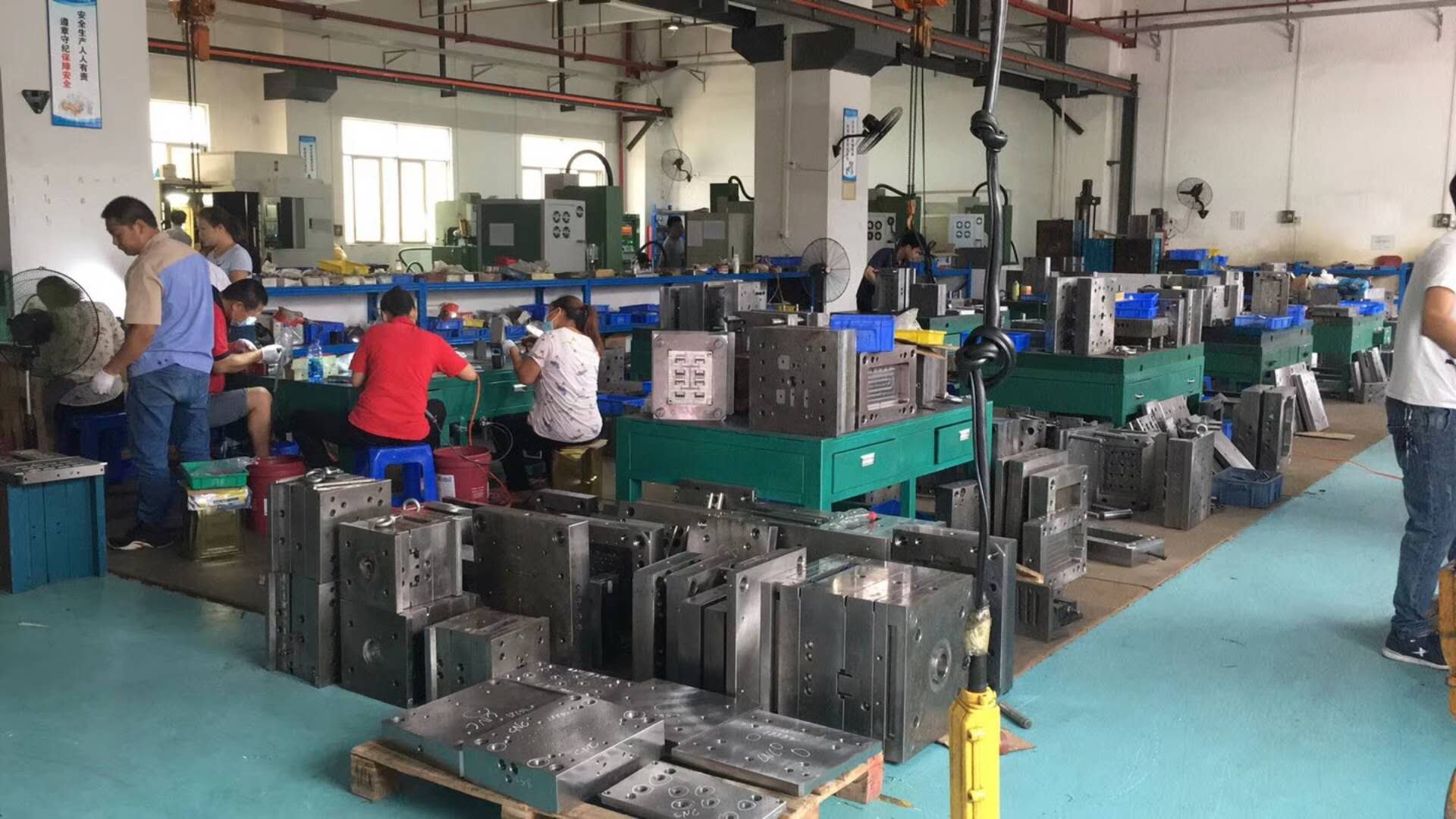
In injection molding, the tug-of-war between per-part cost and mold service life is a constant reality. A mold designed for 500,000 shots can fail prematurely at 180,000 if process parameters are pushed beyond safe limits. For instance, raising melt temperature by just 15°C above the material supplier’s recommended range can accelerate core steel softening, leading to edge wear and flash. Similarly, excessive clamping force—often used to mask venting issues—stresses the parting line and can cause premature cracking in hardened tool steel like S136 or H13. The key is to define a process window that respects the mold’s thermal and mechanical limits, not just the cycle time target. Real-world data from our shop shows that reducing injection speed by 8% and holding pressure by 5% extended a family mold’s life from 220,000 to 340,000 shots, while only adding 0.7 seconds to the cycle—a trade-off that cut total tooling cost per part by 12%.
Beyond parameters, daily mold care is where most cost leaks occur. A simple but disciplined routine—checking cooling channel flow rates, cleaning vent slots every 8 hours of run time, and verifying ejector pin return springs—can prevent the most common failure modes. For example, blocked cooling lines cause uneven shrinkage, which increases internal stress and can lead to stress cracking at thin-wall sections. We also recommend using a mold monitoring system that tracks cumulative shot count, peak cavity pressure, and mold surface temperature. One client found that by logging these variables, they could predict insert wear and schedule polishing at 50,000-shot intervals instead of reacting to visible defects. This proactive approach reduced unscheduled downtime by 30% and saved roughly $4,800 per mold per year in repair costs. The data also helps when negotiating tooling quotes—knowing the real wear rate of your mold steel lets you specify more cost-effective materials for non-critical areas.
Finally, shop floor management must bridge the gap between the molding machine and the toolroom. Train operators to report subtle changes—like a slight increase in ejector force or a faint squeak from the guide pins—before they become catastrophic failures. Implement a simple color-coded maintenance log for each mold, and review it weekly with the process engineer. In our experience, molds that receive consistent, documented care achieve 85–90% of their theoretical life, while neglected tools often die at 50%. The balance is not about cutting corners; it’s about knowing where to invest time and money. For more practical insights on mold sourcing, cost optimization, and tool life extension, visit MoldWorld (www.moldw.com) for a comprehensive database of suppliers and technical articles.