Title: Structural Design and Process Knowledge: The Real Foundation of Mold Engineering
August 23, 2026
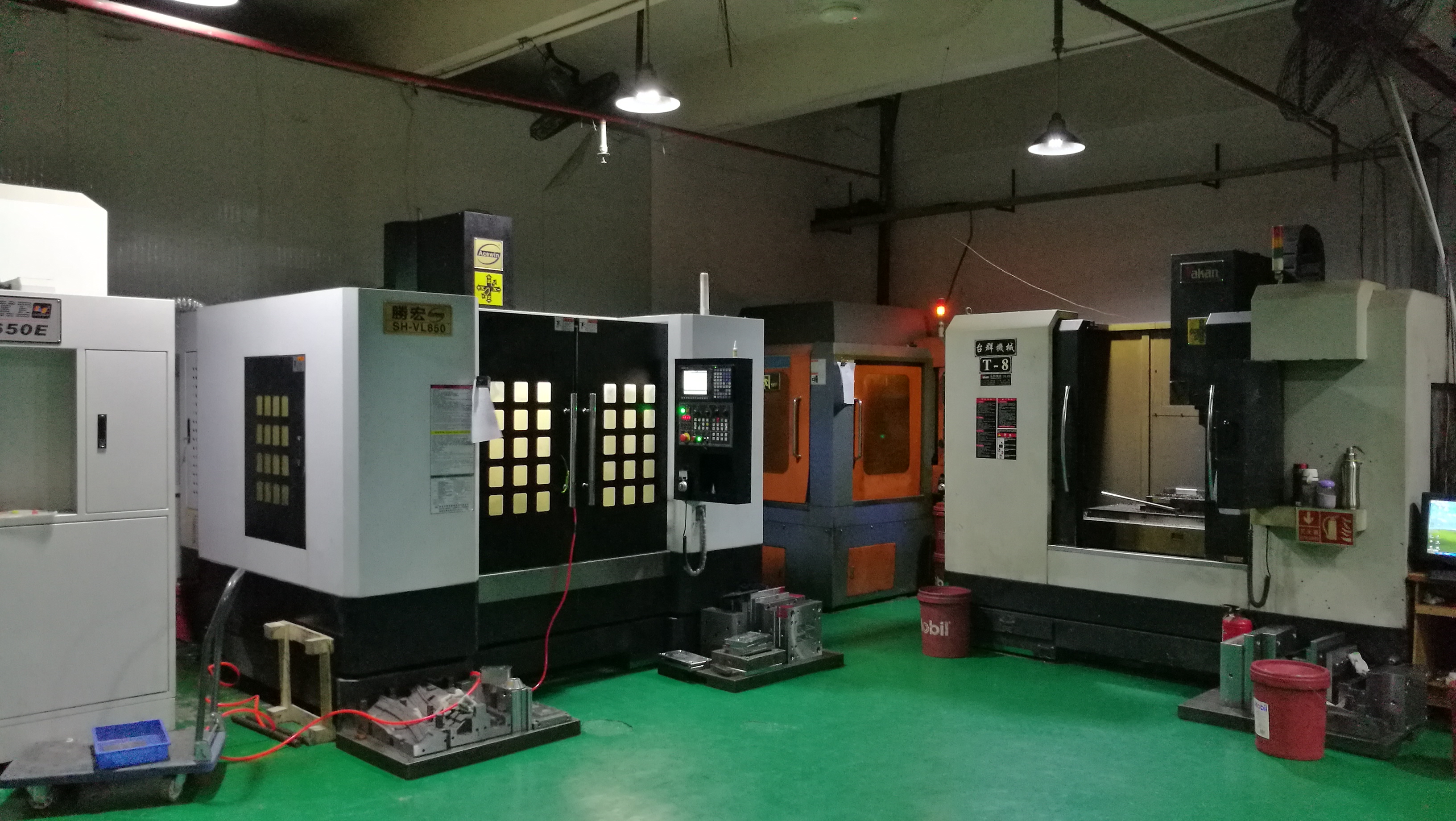
In mold engineering, structural design and machining process are two sides of the same coin—yet many newcomers fall into the trap of “can draw but don’t understand the process.” This is a costly mistake. A mold that looks perfect in 3D can fail on the shop floor if the parting line isn’t matched with the right machining strategy, or if the steel grade doesn’t align with the expected production volume. For example, a simple two-plate mold for a 50,000-shot run in P20 may be fine, but the same design in H13 with proper heat treatment becomes mandatory when you push past 300,000 cycles. The key is to think like a machinist while you design—every corner radius, every draft angle, and every ejector pin location has a direct impact on tool wear, cycle time, and part quality.
Let’s walk through the non-negotiables. First, the parting line: it’s not just a split line—it defines flash potential, venting, and how the mold closes under tonnage. A well-designed parting line should be placed at the largest cross-section of the part, but also consider the direction of injection pressure to avoid core shift. Second, the cooling system: many engineers under-specify cooling channels, leading to uneven shrinkage and longer cycle times. A rule of thumb is to keep cooling channels within 2–2.5 times the channel diameter from the cavity surface, and use baffles or bubblers for deep cores. Third, steel selection—don’t just pick S136 for everything. For abrasive plastics like glass-filled nylon, go with a pre-hardened steel like 1.2738 or even powder metallurgy grades for the core. And don’t forget assembly tolerances: a standard fit for guide pins and bushings is H7/g6, but for hot runner manifolds, you need a tighter clearance to prevent drool and leakage.
These details are what separate a mold that runs for years from one that gets reworked every month. The best way to build this knowledge is to spend time on the shop floor, watch how a mold is assembled, and ask why certain clearances are chosen. Also, keep a checklist for every new design—parting line, draft, cooling, ejection, steel grade, and thermal expansion. If you’re sourcing molds or looking for reliable suppliers who understand these nuances, visit MoldWorld (www.moldw.com) for a wide range of mold sourcing options and technical resources. That’s where the practical side of the trade meets real-world manufacturing.