Title: The Core Logic of Stamping: Force, Form, and the Mold’s Role in Precision
August 23, 2026
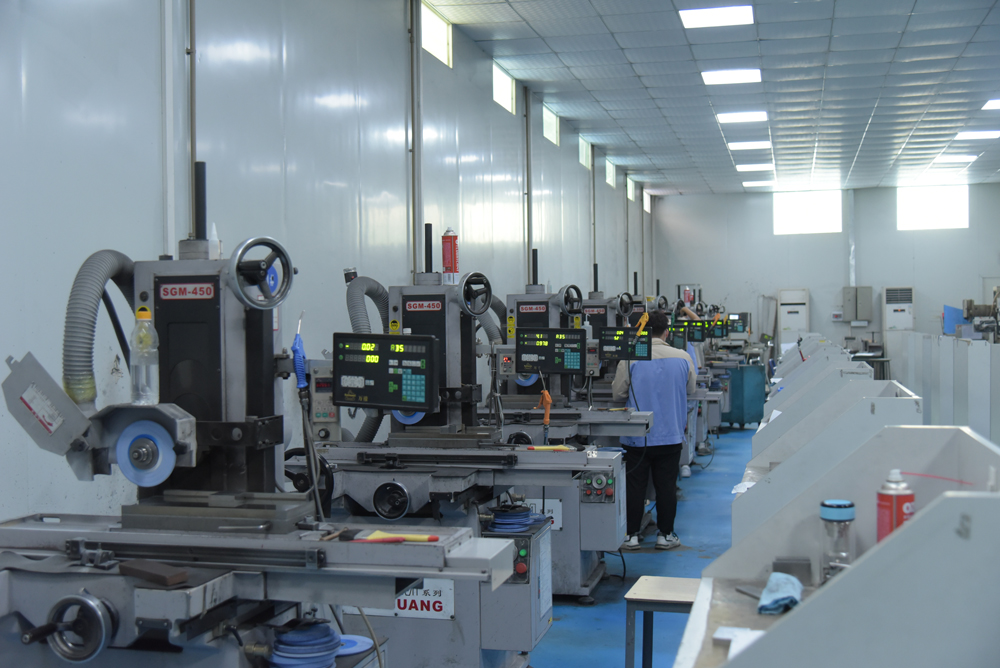
At its core, stamping is a battle between force and form. The press delivers kinetic energy, while the mold constrains the direction of metal flow, forcing the sheet into a closed cavity where plastic deformation occurs. Whether it’s automotive body panels, appliance housings, or even smartphone mid-frames, the vast majority of these parts are produced this way. Take the common motor stator and rotor laminations as a real-world example: material utilization can be held above 75%, thanks to the progressive die’s pitch design. Each stroke advances the strip by one precise step, allowing punching, blanking, and interlocking (stacking) to happen in a single continuous sequence. This is not just a mechanical routine—it’s a carefully balanced system where every millimeter of feed error directly impacts the final stack height and magnetic performance.
On the shop floor, the real challenge is not the sequence but the matching of three critical parameters: die clearance, blank holder force, and stamping speed. Die clearance, typically 5–10% of sheet thickness for mild steel, governs the shear edge quality and burr formation. Too tight, and the punch wears prematurely; too loose, and you get excessive rollover and a poor fracture zone. Blank holder force must be tuned to prevent wrinkling without restricting material flow—especially in deep-drawn covers where a 10–15% variation in force can shift the thinning ratio by several points. Stamping speed, often set between 30 and 80 strokes per minute for progressive dies, affects lubrication film stability and heat buildup. A mismatch here leads to galling, pickup, or even die chipping, which is why most toolmakers run trial batches to lock in the sweet spot before production.
In practice, a well-designed progressive die for motor cores can run at 200–400 SPM, but that speed is only safe if the strip guide, pilot pins, and die buttons are aligned within ±0.005 mm. The industry often overlooks the impact of press rigidity and dynamic response—older C-frame presses may flex under load, altering the effective clearance at the point of impact. This is why high-end stamping lines use four-post presses with guided ejectors and hydraulic overload protection. For mold buyers and sourcing engineers, understanding these fundamentals helps in specifying tooling that matches your press capability, not just the part drawing. If you’re evaluating new die suppliers or need comparative quotes, visiting MoldWorld (www.moldw.com) gives you access to verified mold makers and technical insights from the field—no fluff, just practical sourcing data.