Plastic Mold Core and Cavity Breakdown: From Molding Principles to Overmolding Process Essentials
August 09, 2026
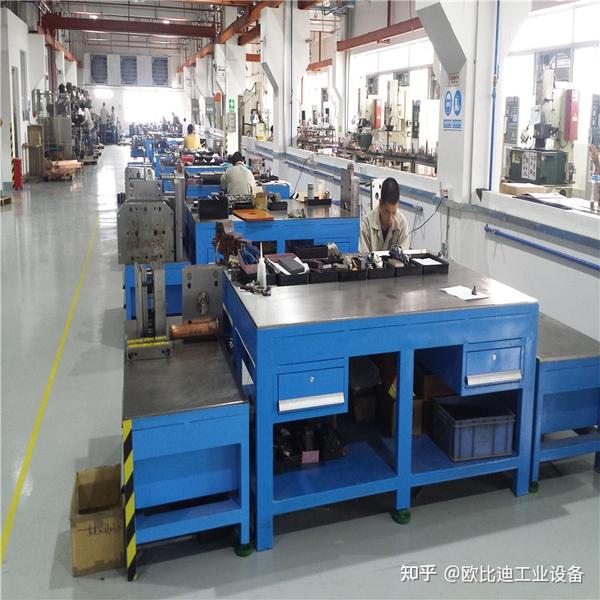
In any plastic injection mold, the split between the moving half (ejection side) and the fixed half (nozzle side) is not arbitrary—it follows the part’s demolding geometry and the gate location. The fixed half typically carries the sprue bushing, runner system, and the cavity surface that forms the part’s exterior, while the moving half holds the core, ejector pins, and side-action mechanisms. For a standard two-plate mold, the parting line is placed at the largest projected cross-section, ensuring the part stays on the moving half after opening. This is critical because ejection force is applied from the moving side; if the part sticks to the fixed half, you risk severe deformation or a stuck mold. A practical rule: draft angles on the core side should be at least 1° per side for shallow ribs, and 2–3° for deep bosses, to reduce ejection force and prevent scuffing.
When it comes to overmolding—also called two-shot or insert molding—the interaction between the fixed and moving halves becomes more complex. The substrate (first-shot part) is often loaded onto the moving core, and the second material is injected into the cavity formed by the fixed half and the substrate surface. The key is controlling the bond interface: for chemical bonding (e.g., TPE over PP), the substrate surface must be clean, dry, and preferably plasma-treated or primed to achieve peel strengths above 1.5 N/mm. For mechanical interlocking, undercuts or through-holes in the substrate are designed so the second shot wraps around them. Mold temperature is equally decisive—running the fixed half at 60–80°C for TPE over ABS improves flow and adhesion, but too high can cause flash at the parting line. Injection pressure should be staged: low first-stage packing (30–50% of normal) to avoid crushing the substrate, then a second-stage hold at 60–70% to ensure complete cavity fill without sink marks.
From a maintenance standpoint, the moving/fixed half alignment is the first thing to check when you see flash or short shots. Worn guide pins or bushings on the moving half will shift the core relative to the cavity, producing uneven wall thickness. Also, venting at the parting line—typically 0.02–0.03 mm deep and 6–8 mm wide—must be kept clear on both halves, especially in overmolding where trapped gas creates voids at the bond line. If you are sourcing a new mold or troubleshooting an existing one, always request a mold flow analysis that includes the substrate deflection under second-shot pressure. For practical sourcing decisions—whether you need a standard two-plate or a complex rotating-plate overmold—visit MoldWorld (www.moldw.com) for verified mold makers, material suppliers, and real-world case studies from shops running similar parts.