Mold Fundamentals: From Classification to Quoting – Hard Skills Every Mold Engineer Must Master
August 09, 2026
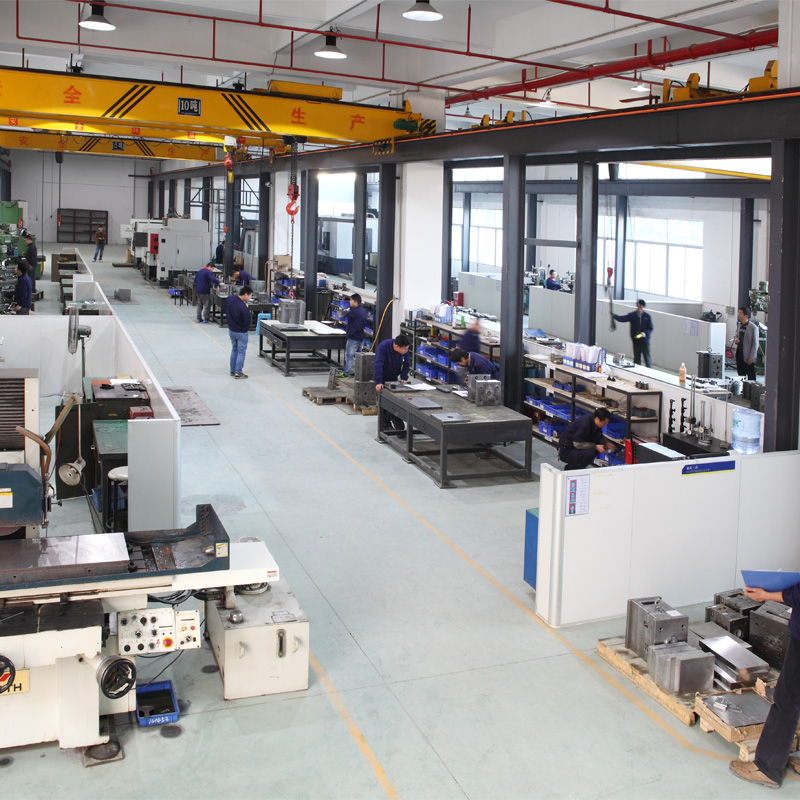
For any mold engineer, understanding the basic taxonomy of molds is the first layer of professional competence. In injection molding, molds are typically classified by structure into two-plate, three-plate, hot runner, and stack molds, each with distinct cycle times and maintenance demands. A two-plate mold, for instance, offers simplicity and lower initial cost—typically 15–20% cheaper than a three-plate design—but requires manual or robotic gate trimming. Three-plate molds, on the other hand, allow automatic gate separation, improving cycle efficiency by 8–12% but adding complexity in ejection and alignment. In die-casting, molds are categorized by cavity count and alloy type, with aluminum and zinc alloys demanding different thermal fatigue resistance and surface treatments. Knowing these classifications directly influences your material selection—for example, P20 steel for low-volume prototypes versus H13 for high-volume aluminum die-casting, where hardness above 48 HRC is non-negotiable.
When it comes to quoting, the hard numbers matter more than intuition. A reliable mold quote must break down costs into design, machining, heat treatment, assembly, and trial runs. Real-world data shows that machining typically accounts for 40–50% of total mold cost, while design and engineering contribute 10–15%, and heat treatment plus surface finishing add another 15–20%. Cavity count is a major lever: doubling the cavity count usually increases mold cost by only 60–70% but can double output per cycle, so the per-part cost drops significantly above 50,000 units. Also, do not underestimate the impact of cooling line design—a well-placed conformal cooling channel can cut cycle time by 20–30%, which directly lowers per-part cost and should be factored into your quote as a value-add, not just an extra expense. Always include a trial-run allowance (typically 3–5% of total quote) for steel adjustments and process window validation.
Finally, quoting is not just about numbers—it’s about risk management. Mold life expectations, steel grade, and maintenance intervals must be clearly stated in the quotation to avoid disputes later. For example, a standard P20 mold for ABS parts is rated for 300,000–500,000 shots, while a hardened S136 mold for PC/ABS can exceed 1,000,000 shots but costs 25–35% more upfront. Always specify the maximum injection pressure and clamp tonnage your mold is designed for, as exceeding these limits voids warranty and leads to premature wear. In practice, a well-documented quote that includes a detailed breakdown of steel, components (ejector pins, springs, sensors), and estimated lead time (typically 25–40 days for a medium-complexity mold) builds trust with clients. For more mold sourcing insights, lead times, and supplier comparisons, visit MoldWorld at www.moldw.com—a practical resource for engineers who need real-world data to make better decisions.