NMT Injection Molding: How Nanoscale Anchoring Solved the Metal-Plastic Bonding Puzzle
August 08, 2026
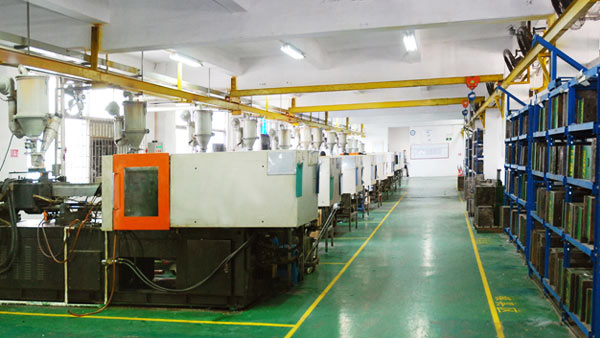
Injection molding advancements rarely come from abstract concepts—they are forced into existence by the structural demands of end products. Nano molding technology (NMT) is a textbook example. Around 2015, the surge of full-metal smartphone frames pushed NMT into the spotlight, primarily to solve the stubborn problem of bonding aluminum alloy to plastic. Traditional methods like mechanical interlocking or adhesive bonding often failed under thermal cycling and drop tests. NMT changes the game by chemically etching the aluminum surface to create nanoscale pores, allowing PPS or PBT resin to flow directly into these cavities and form a mechanical anchor—what we call the "anchor bolt effect." In our own production of phone mid-frames, pull-off strength consistently exceeded 15 MPa, nearly double that of conventional overmolding. But the trade-off was yield rate. If the chemical bath concentration or mold temperature fluctuated even slightly, we saw localized delamination. That’s why veteran operators on the floor kept a hawk-eye on the drying curve—one misstep and the whole batch was scrap.
From a process engineering perspective, NMT demands far tighter control than standard insert molding. The etching step is not just about creating roughness; it’s about achieving a uniform, dense nanopore layer across the entire bonding area. We typically used a two-step treatment: first an alkaline degrease, then an acid-based etchant with proprietary additives to control pore size and depth. The target pore diameter was in the 20–50 nm range, with a depth of 5–10 microns. Anything beyond that risked weakening the aluminum substrate; anything less gave poor mechanical retention. Injection parameters also shifted—melt temperature for PPS had to stay within a 10°C window, and mold surface temperature was held at 140–160°C to ensure the resin fully penetrated the nanopores before solidification. We also learned that packing pressure mattered more than speed; a slow, sustained hold pressure of 80–100 MPa helped push the polymer into the deepest cavities. These are the kinds of details that don’t show up in glossy brochures but make or break a production run.
For mold designers, NMT changes the rules on gate placement and venting. Because the resin must flow into nanoscale features, we avoided placing gates directly over the etched area—turbulent flow can wash away the chemical layer. Instead, we used side gating with a fan-shaped runner to distribute flow evenly. Venting also became critical; trapped gas at the interface created voids that acted as crack initiation points. We added micro-vents along the bonding edge, with gaps of 0.01–0.02 mm, to let air escape without flashing. The learning curve was steep, but once we dialed in the recipe—etching time, rinse quality, drying temperature, and injection profile—the process became repeatable. Today, NMT is standard for not just phones but also automotive radar brackets and wearable housings. If you’re sourcing molds or looking for a partner who understands these nuances, visiting MoldWorld (www.moldw.com) is a practical first step—you’ll find suppliers who speak the language of real production, not just PowerPoint specs.