Plastic Molding Processes Explained: 20 Essential Methods Every Mold Engineer Should Know
August 08, 2026
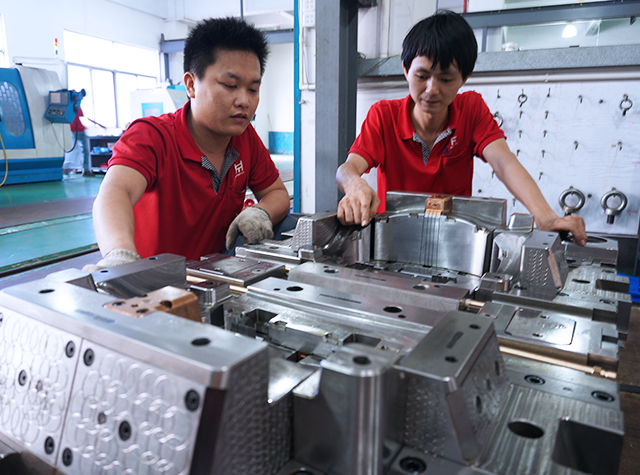
For mold engineers, understanding the full spectrum of plastic molding processes is not just academic—it directly impacts quoting accuracy, tool life, and part quality. Injection molding remains the workhorse, handling thermoplastics at melt temperatures between 200°C and 300°C with clamp forces ranging from 50 to 5,000 tons. But beyond that, processes like blow molding (for hollow parts with wall thickness down to 0.5 mm), rotational molding (for large, stress-free tanks up to 20 m³), and compression molding (for high-strength thermosets with glass-fiber content up to 60%) each demand distinct mold steel selections, cooling channel layouts, and ejection strategies. For example, gas-assisted injection molding reduces sink marks in thick ribs by 40–60%, but requires precise gas pressure control—typically 150–300 bar—and a hardened mold surface to avoid gas permeation.
Thermoforming and vacuum forming are ideal for thin-wall packaging and automotive liners, with sheet thicknesses from 0.2 mm to 6 mm and mold temperatures kept below 80°C to prevent warpage. Structural foam molding, meanwhile, uses a chemical blowing agent (usually 0.5–2% by weight) to create a cellular core, cutting part weight by 15–30% while improving stiffness-to-weight ratio—yet it demands venting slots of 0.05–0.1 mm depth to avoid surface defects. Reaction injection molding (RIM) is another niche: with low-viscosity polyurethane at 30–60°C and low clamp pressure (under 100 bar), it allows large, complex parts like bumper beams, but tooling must be sealed against leaks and often uses aluminum inserts for rapid heat dissipation. Each process alters the mold's wear pattern, cycle time, and maintenance schedule, so a sourcing engineer must verify the molder’s actual capability—not just the brochure—before committing to a tooling budget.
From a cost perspective, mold life varies dramatically: standard injection molds run 500k–1M cycles, while foam molds may only last 100k–200k due to abrasive fillers. Cooling time dominates cycle time for thick parts—rule of thumb is 1.5–2 seconds per millimeter of wall thickness—so conformal cooling channels (via 3D-printed inserts) can cut cycle time by 20–35%. For low-volume production (under 10,000 parts), aluminum or 3D-printed resin molds are viable, but for high-volume, hardened P20 or H13 steel is non-negotiable. When quoting, always factor in draft angles (1–2° for most thermoplastics, 3–5° for textured surfaces) and shrinkage rates (0.3–2.0% depending on resin). For a deeper dive into process selection and mold sourcing, visit MoldWorld at www.moldw.com—a practical resource for comparing tooling quotes and process capabilities across suppliers.