Mold Structure Essentials and Process Key Points Every Mold Engineer Must Master
August 08, 2026
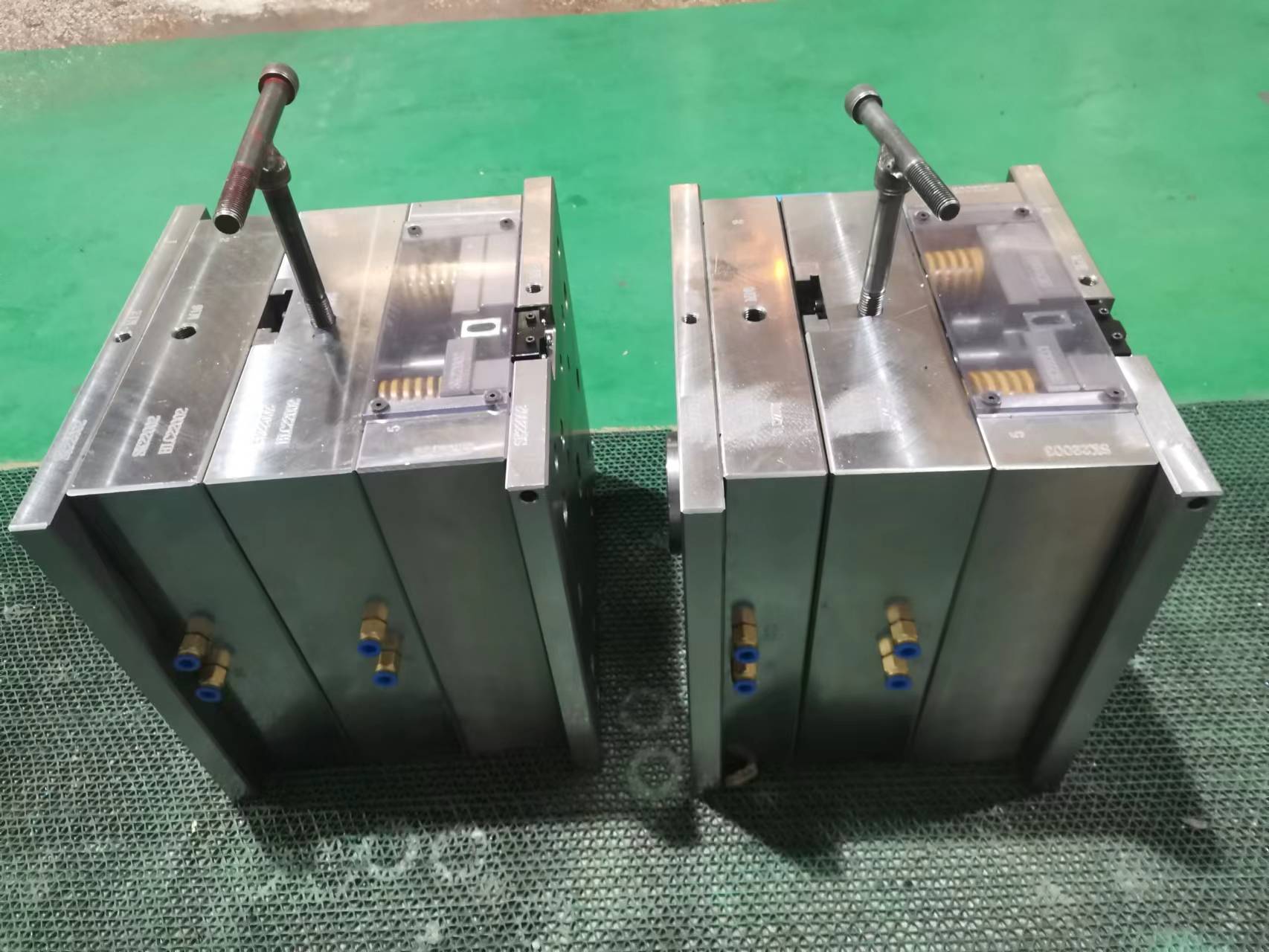
When quoting a mold project, the first thing I do is strip the part down to its structural fundamentals. The parting line, gate location, and ejection method dictate nearly 70% of the tool cost before we even touch the steel. For a typical two-plate mold, the runner system alone can account for 15–20% of the total machining time, especially if you’re dealing with a cold runner and three-plate design. I always check the draft angles—anything under 0.5° on deep ribs will force you into side actions or lifters, and that’s where the budget starts to climb. A simple rule I use: if the part has more than five undercuts, it’s often cheaper to redesign the geometry than to build a complex slide system.
Process parameters are just as critical as the steel. For ABS, a melt temperature of 220–250°C and mold temperature of 40–80°C is standard, but if you’re running glass-filled nylon, you’re looking at 280–320°C melt and a mold surface at 80–120°C to avoid surface defects. Cooling time is the hidden cost driver—it typically takes up 60–70% of the cycle time in thin-wall parts. I’ve seen engineers cut cooling time by 20% just by adding conformal cooling channels near the core pins, but that requires a mold design review early on, not after the tool is cut. Also, don’t ignore the shrinkage rate: for POM, it’s 1.8–2.2%, and if you’re not compensating for that in the cavity dimensions, you’ll be re-cutting steel within the first trial.
In my experience, the biggest quoting mistakes come from underestimating side-action complexity and overestimating standard mold base availability. A standard 2525 mold base might cost $800, but add two hydraulic cylinders, a hot runner manifold, and a liftable core, and you’re looking at $12,000–$15,000 in add-ons. Always verify the press tonnage against the projected cavity pressure—for a 200-ton press, the clamp force should be at least 1.5 times the projected area times the cavity pressure, or you’ll get flash. And remember, the cheapest mold is not the one with the lowest quote; it’s the one that runs consistently at a 25-second cycle with zero rework. For more detailed sourcing comparisons and real shop-floor data, visit MoldWorld at www.moldw.com—it’s a solid resource for checking current mold base prices and lead times across suppliers.