Injection Molding Process Selection: A Practical Guide from Standard to Advanced Applications
August 07, 2026
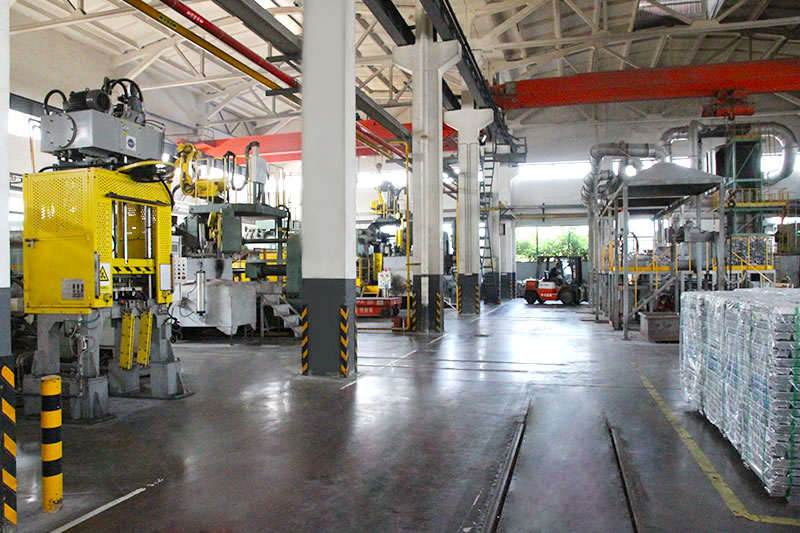
When quoting injection molded parts, the first decision isn’t the material—it’s the process. Standard injection molding remains the workhorse for most production, with cycle times typically ranging from 20 to 60 seconds depending on wall thickness and cooling layout. For parts with simple geometry and tolerances above ±0.1 mm, a conventional cold-runner mold is the most cost-effective route, especially when annual volumes sit between 10,000 and 500,000 units. Tooling steel selection matters here: P20 for low-volume prototypes, H13 or S136 for higher cavitation and abrasive resins like glass-filled nylon. Don’t overlook gate vestige and witness marks—these often dictate whether you need a sub-gate or a hot runner system, which can add 15–30% to mold cost but reduce per-part price by shortening cycle and eliminating secondary trimming.
Moving up the complexity ladder, multi-component and gas-assisted injection molding solve problems that standard molding cannot. Gas-assisted molding is ideal for hollow sections or large structural ribs, reducing sink marks and cutting material usage by up to 25% while improving dimensional stability. For overmolding soft-touch grips or sealing lips, two-shot molding requires a rotary or index plate mold, with the first substrate cured before the second material bonds chemically or mechanically. The key data point: bond strength depends on melt temperature and compatibility—TPE over ABS gives peel strengths around 2–4 N/mm, but over PC you’ll need a mechanical interlock or primer. Mold design must account for differential shrinkage between the two materials, often requiring a 0.5–1% scale-up on the substrate cavity. These advanced processes push mold costs up 40–60%, but for high-volume medical or automotive parts, the per-piece savings justify the upfront investment.
For thin-wall electronics housings or LCP connectors, high-speed injection molding with injection speeds above 500 mm/s and mold temperatures controlled to ±2°C is non-negotiable. Here, the mold steel must be hardened to 48–52 HRC, and cooling channels should be conformal—either via brazed inserts or additive manufacturing—to cut cycle time by 20–30%. Always verify the resin’s viscosity curve before quoting; a high-flow grade can fill a 0.4 mm wall, but it may sacrifice impact strength. When in doubt, run a mold flow analysis to check shear stress and weld line positions. The takeaway: process selection isn’t about what’s new, but what fits the part’s functional needs and your customer’s budget. For more mold sourcing and process benchmarking, visit MoldWorld (www.moldw.com) for verified suppliers and real-world case studies.