Mold Fundamentals: From Classification to Quoting—The Hard Skills Every Mold Professional Must Master
August 07, 2026
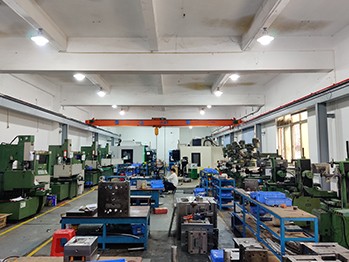
In daily mold shop operations, the first hard skill is understanding mold classification by structure and function. For plastic injection molds, we typically split them into two-plate, three-plate, and hot-runner systems. A two-plate mold is the workhorse for most commodity parts—simpler to build, easier to maintain, and generally 15–20% cheaper than a three-plate mold of similar size. Three-plate molds, while allowing multiple gate locations, add complexity in parting-line design and often require more precise ejector sequencing. Hot-runner molds, despite higher upfront cost (often 30–50% more than cold-runner equivalents), reduce cycle time by 10–25% and eliminate runner scrap, making them the right choice for high-volume medical or automotive components. Knowing when to recommend each type is not just a technical decision—it directly impacts quoting accuracy and customer trust.
On the quoting side, the real work begins with breaking down cost drivers: material, machining, heat treatment, and assembly. For a typical P20 steel cavity, raw material cost is usually 8–12% of the total mold price, while CNC machining and EDM together can account for 35–45%. Heat treatment, including vacuum hardening and nitriding, adds another 5–8%. But the hidden variable is mold life. A mold designed for 500,000 shots with hardened tool steel (e.g., H13 or S136) will quote 20–30% higher than a P20 mold rated for 100,000 shots. That difference must be communicated clearly to the customer, because it affects per-part cost over the product’s life. Also, don’t forget to factor in trial shots—typically 50–100 cycles—and any design iterations, which can add 5–10% to the final quote if not planned upfront.
Finally, a practical rule I’ve learned over the years: always quote with a contingency of 8–12% for unexpected changes, whether it’s a gate relocation or a tighter tolerance on a draft angle. And when you’re comparing suppliers or getting a second opinion on a complex mold, don’t just look at the base price—ask about their standard lead time, their experience with similar wall thicknesses, and their policy on engineering changes. For more mold sourcing tips and detailed cost breakdowns, visit MoldWorld at www.moldw.com—it’s a solid resource for both buyers and mold makers looking to sharpen their quoting game.