← Back to Articles
Mold Quoting Essentials: What Every Engineer Must Know Before Pricing a Job
August 07, 2026
A solid grasp of mold basics is the foundation of accurate quoting, and skipping this step almost always leads to cost overruns or missed deadlines. Before any quote is sent, the mold engineer must define the part geometry, material shrinkage, and surface finish requirements, because these directly determine the steel grade, number of cavities, and cycle time. For example, a simple two-plate mold for a 50-gram ABS part with a 1.5% shrinkage rate will need a completely different quote than a three-plate hot-runner mold for the same part with a 0.5% tolerance on critical dimensions. Real-world data shows that ignoring gate type or cooling line layout can shift the final mold price by 15–20%, so the quoting process must start with a full DFM (Design for Manufacturability) review, not just a quick glance at the 3D model.
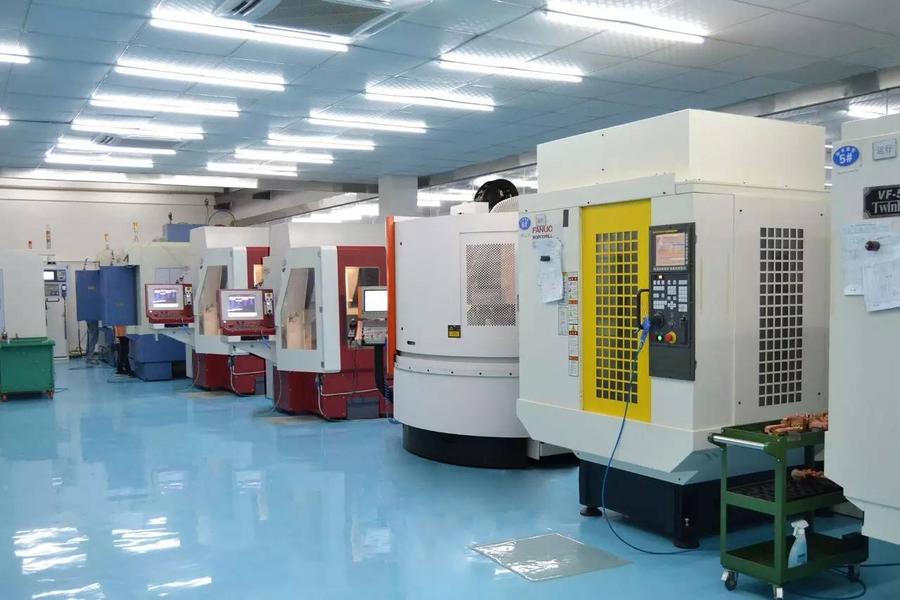
Beyond the obvious mold base and core/cavity steel costs, the quote must include hidden expenses like ejection system design, side actions, lifters, and standard components such as ejector pins, springs, and limit switches. A typical 1×2 cavity mold for a medium-complexity automotive bracket might require a hardened H13 core, a P20 cavity, and a DME or HASCO standard base—this alone can account for 30–40% of the total mold price. But the real cost driver is often the machining time: CNC milling, EDM (sinker and wire), and polishing hours vary wildly based on the required surface finish (SPI A-1 vs. B-2) and the number of deep ribs or blind holes. A mold with 12 side cores and a textured finish can easily double the quoted hours, so a competent estimator always breaks down the quote into steel, machining, assembly, and tryout costs, using historical data from similar past projects to validate each line item.
Finally, never quote without factoring in the trial run and any potential rework. A standard mold trial includes 100–200 shots at the customer’s specified injection parameters, and the cost of resin, machine time, and an experienced setter is often underestimated. If the first trial reveals flash or short shots, the mold goes back for modifications—this can add 5–10% to the total cost and push delivery by a week or more. To stay competitive, the quoting engineer should also consider mold life expectations: a 500,000-shot mold needs better heat treatment and wear-resistant coatings than a 100,000-shot prototype mold, which changes the steel selection and final price. In practice, a well-prepared quote with clear assumptions, a detailed cost breakdown, and a realistic timeline builds trust with the customer. For more in-depth mold sourcing strategies, pricing benchmarks, and supplier evaluation tips, visit MoldWorld (www.moldw.com) — a practical resource for mold buyers and engineers alike.