Understanding Core and Cavity Layout in Plastic Injection Molds and Overmolding Process Control
August 07, 2026
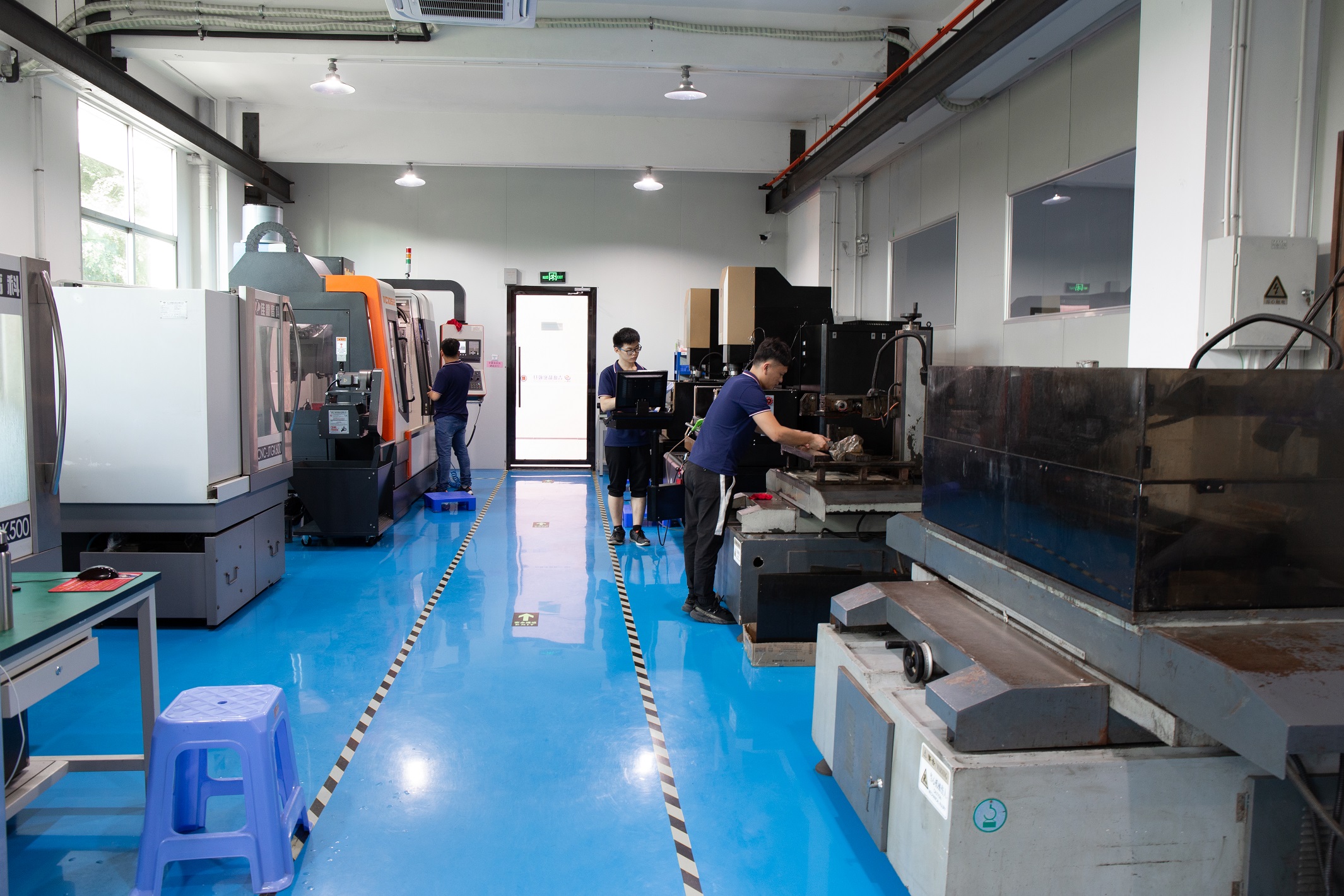
In any plastic injection mold, the fundamental split between the moving half (ejector side) and the fixed half (nozzle side) dictates everything from part ejection to cooling efficiency. The fixed half carries the sprue bushing and locates the mold against the machine nozzle, while the moving half houses the ejector system and, in most cases, the majority of the core geometry. For parts with deep undercuts or internal threads, the moving side must accommodate slide actions or lifters, which means the parting line selection is not just a cosmetic decision—it directly affects venting, gate placement, and the complexity of the cooling circuit. A practical rule we use in our shop: keep the main core on the moving side whenever possible, because that allows the part to shrink onto the core during cooling, ensuring it stays with the ejector half for a clean, predictable release. If the part geometry forces a reverse situation, you are looking at added pullers or special ejector pins, which increases tool cost and cycle time.
Overmolding, or two-shot molding, adds another layer of discipline. When we bond a soft TPE or rubber layer onto a rigid plastic substrate, the key is controlling the interface temperature and the chemical compatibility of the two materials. For a typical PP substrate with a TPE overmold, the melt temperature of the TPE should be at least 20–30°C above the substrate's heat deflection temperature to promote a mechanical interlock, but not so high that it degrades the substrate surface. Our standard trials start with a substrate temperature of 60–70°C, achieved by either a heated mold or a short delay before the second shot. The bond strength is also heavily influenced by the surface roughness of the first-shot part—we aim for Ra 0.8–1.2 µm on the bonding area, which we verify with a profilometer before every production run. If the part has thin walls or sharp corners, the overmold material can flash easily, so we reduce the second-shot injection speed by 30–40% and increase the pack pressure in stages, monitoring the clamp force to avoid over-packing.
Another critical point is the venting design in the overmold cavity. Because the second shot flows over an existing solid surface, trapped air has fewer escape routes, so we add extra venting slots along the parting line and sometimes small vent pins at the end of the flow path. A typical vent depth for TPE over PP is 0.02–0.03 mm, which is tight enough to prevent flash but wide enough to let air out at a reasonable injection speed. Also, remember to check the ejector pin clearance on the overmold side—pins that are too loose will create witness marks, and pins that are too tight will drag the soft material, causing tearing on ejection. For production, we always run a short-shot test at 95% fill to verify the bond line and then adjust the transfer position by 1–2 mm increments. These details may seem minor, but they separate a robust process from one that scrap parts. For more mold sourcing and process troubleshooting insights, visit MoldWorld at www.moldw.com.