Mold Structure and Process Knowledge: The Foundation of Tool Life and Part Quality
August 05, 2026
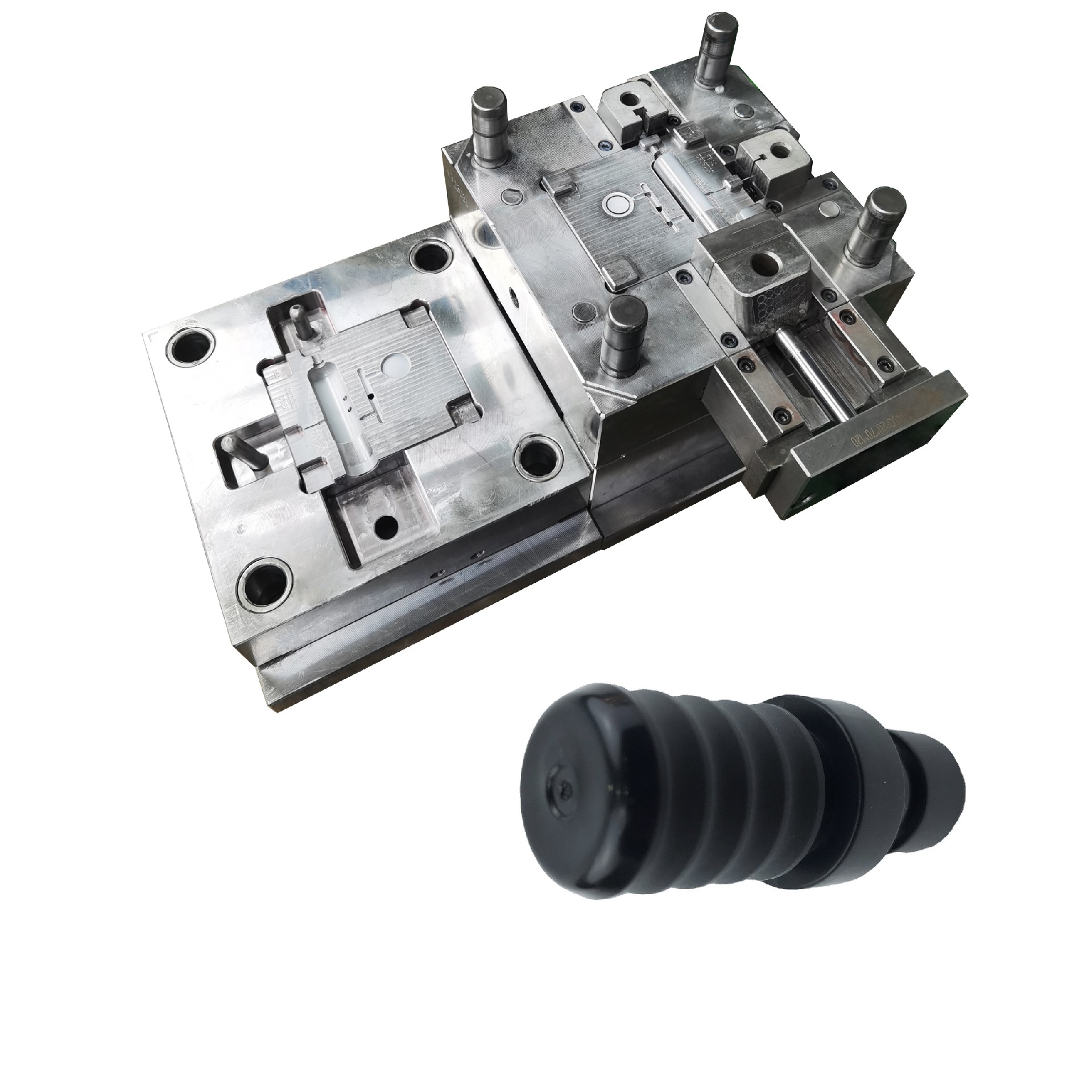
For any mold engineer, the fundamentals of mold structure and process knowledge are non-negotiable—they determine not only tool longevity but also the dimensional stability and surface integrity of the molded part. One of the first critical decisions in any design is the parting line location. It governs the direction of demolding, the placement of venting, and the size of flash. In deep-cavity parts, for instance, the parting line should be positioned at the largest cross-section of the product, while simultaneously balancing gate location and ejector pin layout. A poorly chosen parting line can lead to uneven ejection forces, trapped gas, and excessive flash that requires secondary trimming, all of which eat into cycle time and profitability.
Equally important is the selection of mold steel, which cannot be based on hardness alone. The resin's chemical aggressiveness, the expected molding cycle, and the annual production volume must all factor into the material choice. Take PA66 reinforced with glass fibers—a common material in automotive and electrical components. The abrasive nature of the glass fill will quickly wear down an untreated mold surface. In such cases, I recommend using SKD61 or S136 steel, heat-treated to 48–52 HRC, followed by a nitriding process. This combination provides the necessary wear resistance while maintaining toughness. Without nitriding, the mold will experience rapid erosion at the gate and core surfaces, leading to flash, drag marks, and premature tool failure—often within just a few thousand cycles.
Beyond these core decisions, attention to cooling channel design and venting depth is essential for consistent shrinkage and warpage control. For glass-filled materials, venting depths should be kept shallow—typically 0.02 to 0.03 mm—to prevent flash while allowing gas to escape. Also, remember that mold maintenance is not an afterthought; scheduled polishing and re-nitriding can extend tool life by 30% or more. In practice, the difference between a mold that runs for 500,000 cycles and one that fails at 200,000 cycles often comes down to these upfront engineering choices. For more detailed mold sourcing and design guidance, visit MoldWorld at www.moldw.com.