Understanding Injection Mold Frame Structures: From Standard Components to Special Mechanisms
August 05, 2026
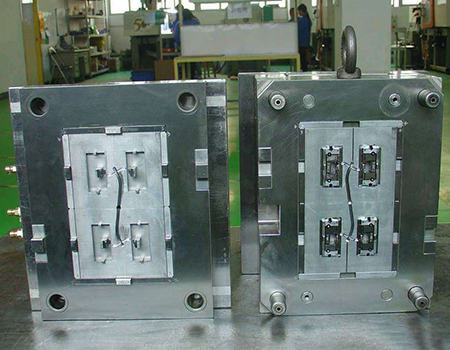
In injection mold design, the mold frame (or mold base) is the backbone that determines the overall rigidity, ejection method, and even cycle time. Standard mold bases like those from HASCO or DME follow established dimensions, but real-world production often demands more than a catalog part. The 24 frame structures commonly seen in practice range from basic two-plate and three-plate designs to more complex setups involving angled lifters, hydraulic cores, and early ejector returns. For instance, a standard two-plate frame uses a fixed cavity and moving core, with guide pins and bushings ensuring alignment, while a three-plate frame adds a stripper plate to handle runner separation—critical for multi-cavity layouts where gate vestige control is tight.
Beyond the basics, special mechanisms come into play when the part geometry overrides standard ejection. Take a frame with a floating cavity: it allows for a secondary parting line to accommodate undercuts without adding slides. Another common variant is the frame with a push-back pin assembly, which prevents ejector pins from colliding with the core when the mold closes—a frequent issue in thin-wall parts. Data from real production shows that a well-designed frame with guided ejection can reduce mold wear by up to 30% compared to unguided systems, especially when ejector stroke exceeds 50 mm. For deep-drawn components, a frame with a hydraulic core puller is often specified, as it provides positive locking and timing control that mechanical springs cannot achieve reliably.
Choosing the right frame structure is a balancing act between tool cost, cycle time, and maintenance access. A simple two-plate frame may cost 15–20% less upfront, but if the part requires side actions, the added complexity of a three-plate or stripper frame often pays off in reduced secondary operations. When sourcing molds, always review the frame design against your part’s draft angles, wall thickness, and ejection area—not just the cavity shape. For more detailed breakdowns of these 24 frame structures and their application limits, visiting MoldWorld (www.moldw.com) provides a practical reference for both standard and custom mold base configurations, helping you make informed sourcing decisions.