Mold Costing Essentials: What Every Mold Engineer Must Know Before Quoting
August 05, 2026
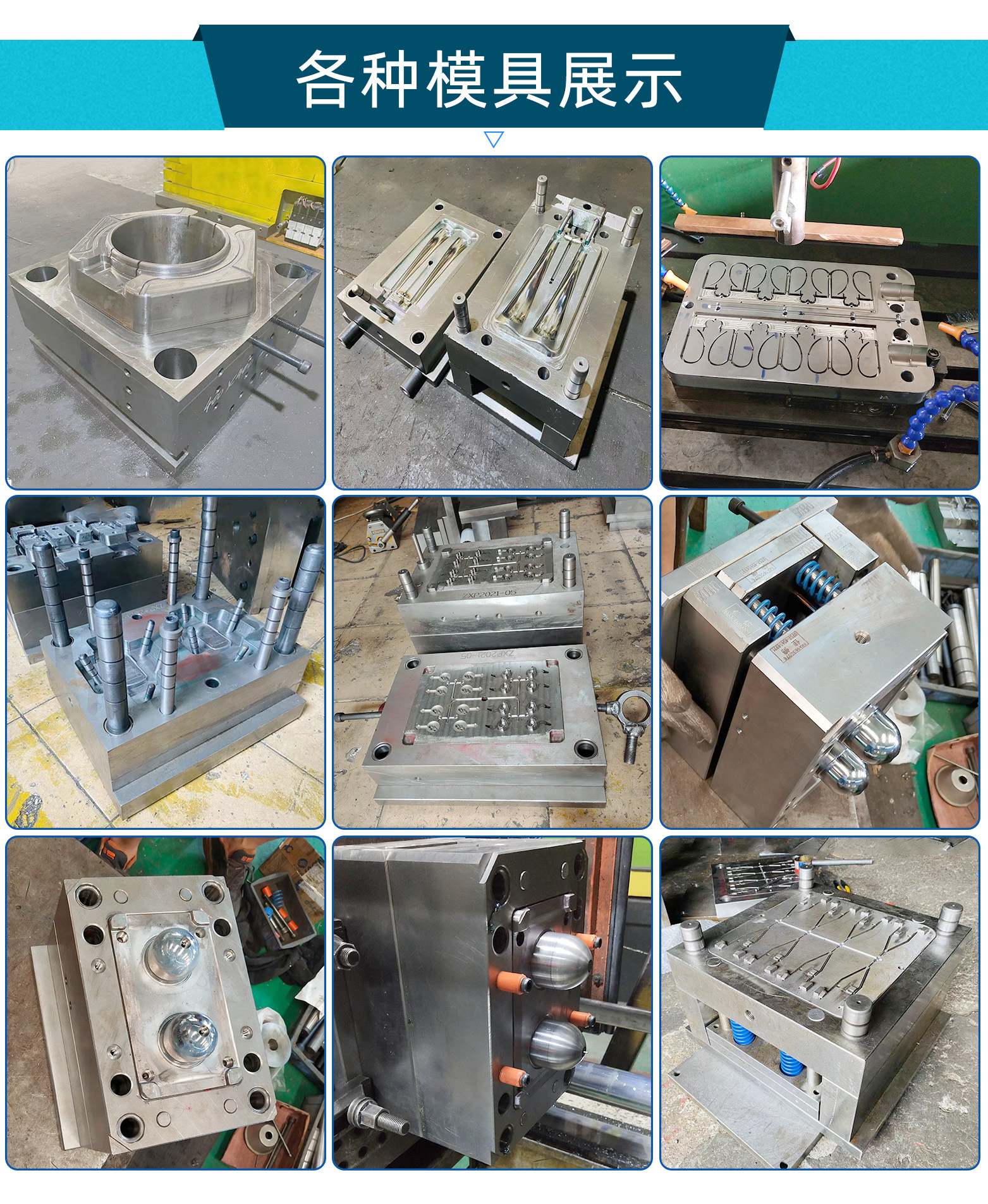
Understanding mold classification is the first step toward accurate quoting. In practice, molds are typically divided by structure (two-plate, three-plate, hot runner) and by product type (plastic injection, die-casting, stamping, etc.). For plastic injection molds, the number of cavities directly drives cost: a single-cavity mold for a simple housing might run $3,000–$8,000, while a 16-cavity high-cavitation mold for caps or gears can easily exceed $40,000. Mold life also matters—a standard production mold rated for 500,000 shots uses different steel (e.g., P20, H13, or S136) and heat treatment than a prototype mold rated for just 5,000 shots. These variables change not only material cost but also machining time, so a disciplined classification system prevents underquoting or overpricing.
When building a quote, the mold engineer must break down costs into five buckets: design, material, machining, assembly & tryout, and overhead. Design typically accounts for 5–10% of the total, but complex parting lines or internal undercuts can push that higher. Steel selection is the biggest single material cost—for a 300×300 mm cavity plate, S136 hardened to 48–52 HRC costs roughly 30% more than P20, but it reduces polishing time and extends tool life. Machining hours are where most quotes go wrong: a deep ribbed core with EDM finishing can consume 60–80 machining hours, while a flat cavity might only need 20. Always add 10–15% contingency for unexpected tool wear or design revisions, and remember that tryout shots (often 50–200 cycles) are a real cost, not a freebie.
Finally, a professional quote must include payment terms, lead time, and revision policy. Standard practice is 30% deposit, 40% at T1 sample approval, and 30% before shipment—but for overseas buyers, consider adding a 5% quality retention clause until the first production run passes. Lead time for a typical two-plate mold is 4–6 weeks, while hot runner or multi-slide molds need 8–12 weeks. Be explicit about what revisions are free (e.g., gate size adjustment) versus billable (e.g., cavity geometry change). A clear, itemized quote builds trust and reduces disputes. For more mold sourcing benchmarks and supplier comparison tools, visit MoldWorld at www.moldw.com—a practical resource for engineers and buyers alike.