Mold Structure and Process Knowledge Every Mold Engineer Must Master: From Plastic Molds to Injection Practice
August 04, 2026
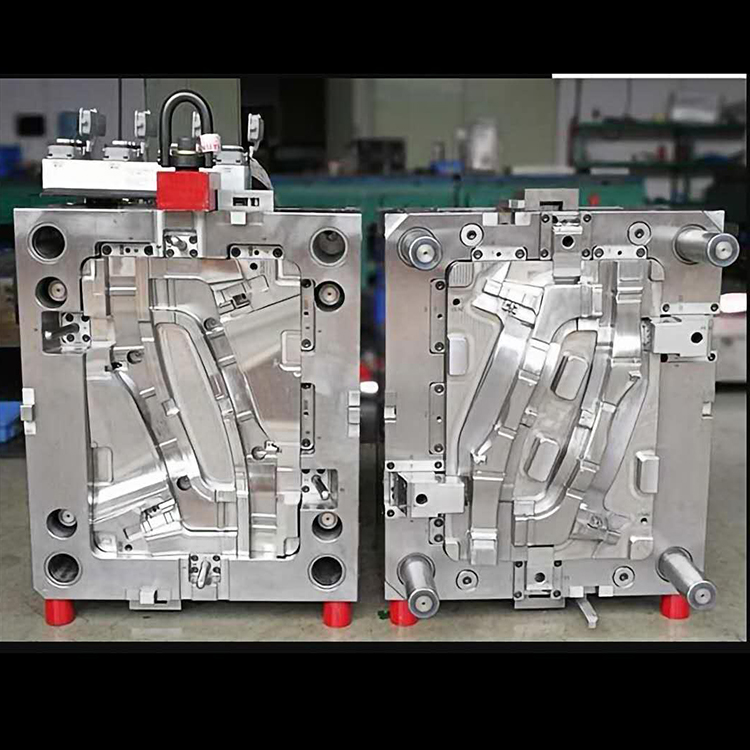
In the daily grind of mold engineering, understanding the relationship between part design and mold structure is what separates a workable mold from a costly rework. For plastic injection molds, the first thing to nail down is the gate location and type—edge gates, pin gates, or submarine gates each carry different pressure loss and flow-length ratios. A common rule of thumb: keep the flow length-to-wall thickness ratio under 150:1 for standard ABS or PC/ABS blends, or you risk short shots and weld lines. Likewise, draft angles should never be less than 0.5° per side for textured surfaces, and 1°–2° for polished cavities, otherwise ejection marks and drag burns will plague your cycle time. These aren't textbook ideals; they are the numbers that show up in real mold trials and production audits.
Beyond geometry, the cooling system design is where cycle time is won or lost. A well-placed baffle or spiral core cooling line can cut cooling time by 20%–30% compared to straight-drilled circuits, especially for deep cores. For a typical 2-mm wall thickness part, cooling time dominates roughly 60%–70% of the total cycle, so every degree of coolant temperature uniformity matters. In practice, we aim for a mold surface temperature differential of less than 5°C across the cavity, using turbulent flow (Reynolds number above 4,000) in the cooling channels. Also, don't overlook the ejection system: for parts with deep ribs or bosses, use at least four ejector pins or a stripper plate, and always check that the ejector return springs have enough preload to avoid crash marks on the next shot.
When quoting a new mold, experienced engineers always factor in steel selection and surface treatment. P20 for prototype or low-volume runs, S136 or 1.2344 for production molds with abrasive or corrosive resins, and H13 for high-heat or high-cavity-pressure jobs. Nitriding or PVD coating on core pins can extend tool life by 50%–100% in glass-filled nylon applications. But the real cost driver is often the mold base and standard components—don't underestimate the lead time for custom slides or lifters. A balanced quote must include trial shots, first-article inspection, and at least two rounds of mold modifications. For more detailed sourcing benchmarks and supplier comparisons, visit MoldWorld (www.moldw.com) for up-to-date mold sourcing information and industry directories.