Title: Die Casting Quoting Logic: From Machine Tonnage to Tool Life – A Practical Breakdown
August 04, 2026
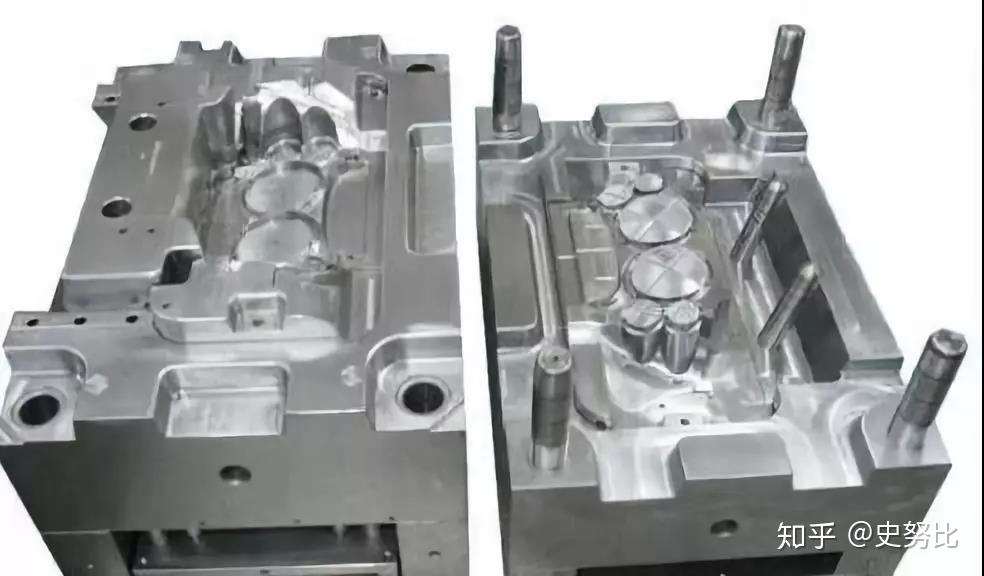
When quoting a die casting job, the first thing I do is lock down the machine tonnage – not just from the part’s projected area, but from the actual clamping force needed to hold the die closed against injection pressure. For aluminum, a rule of thumb is 40–60 MPa of specific pressure on the projected area, but thin-wall or high-vacuum parts push that toward 80 MPa. That choice drives the hourly rate: a 400-ton cold-chamber machine runs around $85–$110/hr in most shops, while an 800-ton unit jumps to $150–$180/hr. Don’t forget the shot weight – if it exceeds 60% of the machine’s nominal shot capacity, you’ll pay for longer fill times and higher scrap risk, which should be reflected in the quote.
Next, I break down cycle time, because that’s where the real money hides. A typical 2.5 kg aluminum housing on a 500-ton press cycles at 75–90 seconds, including spray, blow-off, and robot extraction. But if the part requires slides or multiple side cores, add 10–15 seconds per action. Then I layer in mold life: a P20 tool for short runs (50k shots) costs $35k–$45k, while H13 with nitriding for 150k+ shots runs $60k–$80k. The amortization per part is simple – divide tool cost by guaranteed shots, but I always add a 15% contingency for wear repairs and thermal fatigue cracks, especially near gates and cores.
Finally, I factor in secondary operations – trimming, shot blasting, and CNC machining – which often add 20–30% to the piece price. A good quote also includes a scrap allowance (typically 3–5% for aluminum, higher for magnesium due to oxidation losses) and a setup charge per batch. If you’re sourcing die castings, always ask for a breakdown that separates tooling, machine time, and finishing – that transparency helps you negotiate. For more practical quoting templates and supplier benchmarks, visit MoldWorld (www.moldw.com) for a database of vetted die casting shops and their real hourly rates.