Choosing the Right Mold Steel: A Practical Guide to Common Grades and Applications
August 04, 2026
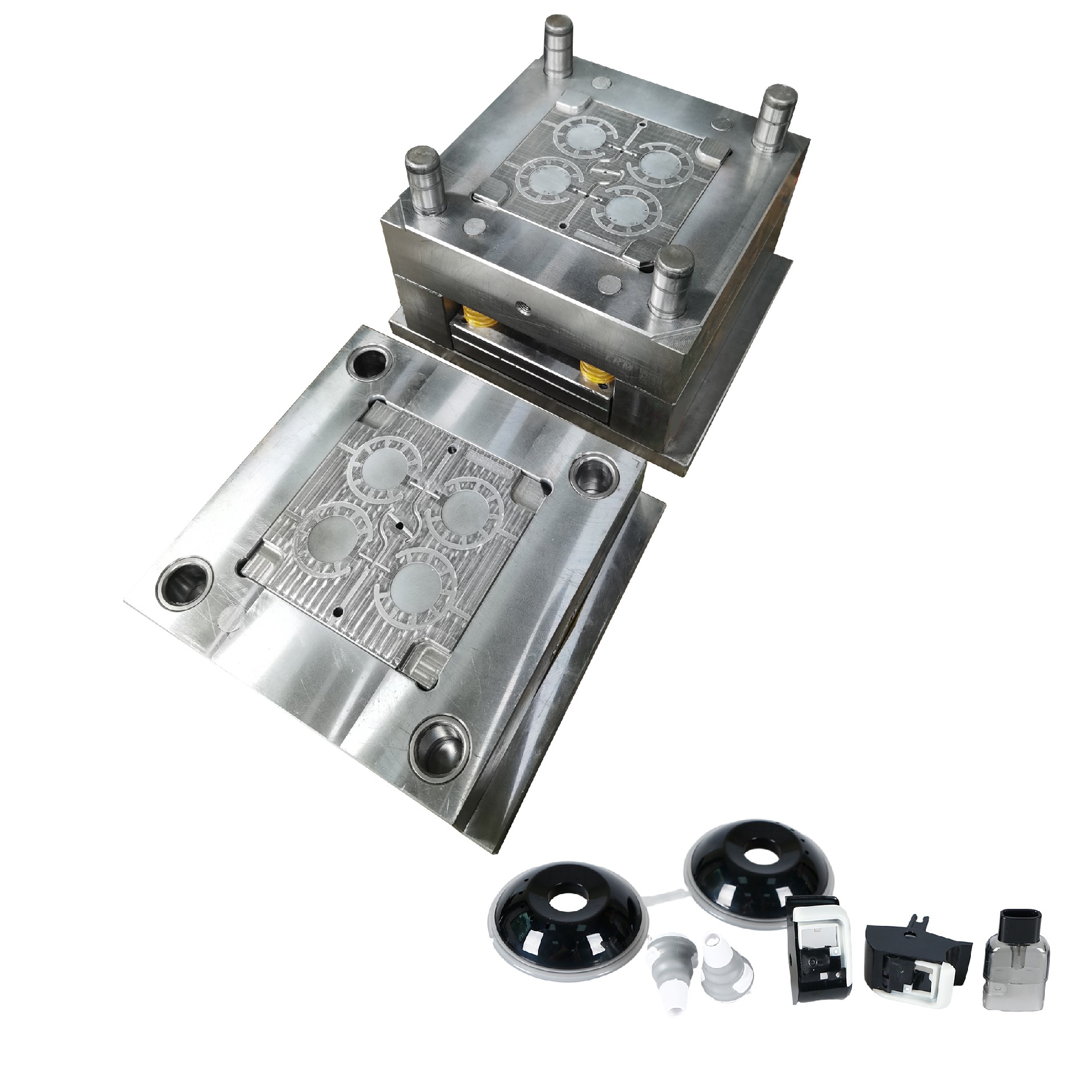
In the mold shop, the steel grade you pick dictates everything from tool life to part finish, and there’s no universal “best” material. For general-purpose injection molds, P20 (pre-hardened to 28–32 HRC) remains the workhorse—it machines well, welds easily, and is fine for low-volume production up to roughly 100,000 cycles. When you need higher wear resistance without the cost of a full heat-treat cycle, 718H (a pre-hardened P20 variant with added nickel) offers improved through-hardness and polishability, often used for automotive interior parts and appliance housings. For high-cavity-count tools or abrasive resins like glass-filled nylon, H13 (hot-work steel, 44–52 HRC after treatment) is the standard for cores and inserts that see thermal cycling, while S7 provides shock resistance for cold heading and trimming dies.
Moving up the performance ladder, S136 and 2316 (both stainless grades) are the go-to for transparent parts, medical devices, or any application demanding corrosion resistance and a mirror finish. S136, typically hardened to 48–52 HRC, holds an edge in optical lenses and cosmetic caps, but beware its higher cost and slower machining. For high-speed stamping or deep-draw dies, D2 (air-hardened, 58–62 HRC) offers excellent compressive strength, though its high chromium content means you must manage decarburization during heat treat. On the flip side, if you’re dealing with high-temp thermoplastics like PEEK or LCP, a pre-hardened H13 or even a powder-metal grade like Vanadis 4 Extra (60–62 HRC) will resist heat checking far better than any conventional tool steel.
Don’t overlook the practical side: always specify the steel’s delivery condition (pre-hardened vs. annealed) and factor in post-weld stress relief—skipping it on P20 can cause cracking after EDM. Also, for prototype tools, a cheaper 45# steel (AISI 1045) might suffice, but for production runs above 200,000 cycles, invest in a premium grade. The right choice balances upfront material cost, machining time, and expected tool life. For more detailed grade comparisons, sourcing specs, and supplier directories, visit MoldWorld (www.moldw.com) for mold-specific procurement insights and technical articles.