Title: The Complete Logic Behind a Stamping Die Quote: From Steel Selection to Man-Hour Costing
August 04, 2026
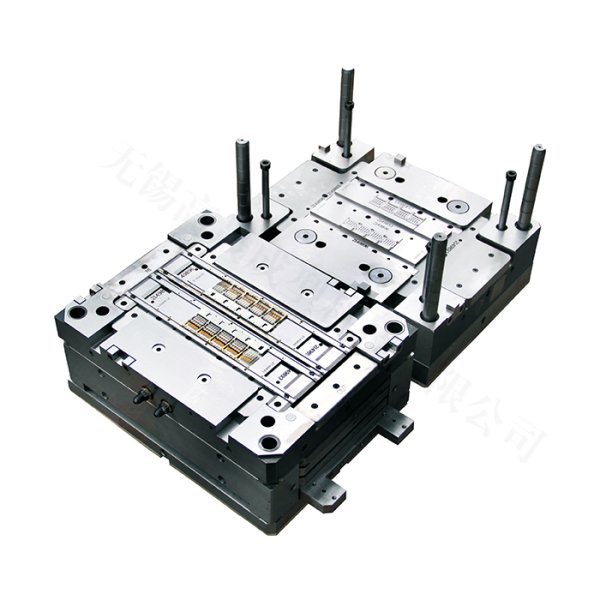
Every stamping die quote starts with the blank material, not the cavity shape. For most production runs, we default to Cr12MoV or SKD11 for the working inserts—both offer good wear resistance and dimensional stability under high-speed stamping. If the part volume exceeds 500,000 strokes, we upgrade to powder metallurgy grades like ASP23, even though the material cost jumps by 30–40%. The steel thickness and plate size directly affect the blanking force, which then dictates the press tonnage and the die base dimensions. A typical quote sheet lists the steel grade, hardness target (58–62 HRC for Cr12MoV), and the expected heat treatment cost per kilogram—this is where many underestimates happen if you ignore distortion allowances.
Once the material is locked, the next block is process engineering. We break the die into stations: blanking, piercing, forming, and trimming. Each station requires a separate insert, stripper plate, and pilot pin, and the quote must account for wire-cut time, grinding allowance, and assembly fitting hours. For a progressive die with 8 stations, expect around 120–150 man-hours for machining and fitting alone. The hourly rate varies by region—in Guangdong it’s roughly ¥80–120 per hour for a skilled mold maker, while in the Yangtze River Delta it can be 15% higher. We also add a 10–15% contingency for unexpected rework, because die tryout always reveals at least one interference or burr issue that needs hand polishing.
Finally, the quote wraps up with tryout and delivery terms. A standard first article run uses 200–300 test strips, and the press time is charged at the shop’s machine rate, not the customer’s part price. The total quote should include two rounds of sample approval—if the customer asks for a third round, we add a separate fee. For overseas buyers, we recommend quoting FOB with a clear lead time of 25–35 days for a medium-complexity die. If you’re sourcing stamping dies and want to compare supplier logic on steel grades, hourly rates, or tryout policies, visit MoldWorld at www.moldw.com for verified mold makers and their detailed quote breakdowns.