Title: Stamping Fundamentals Every Die Engineer Should Keep Handy
August 04, 2026
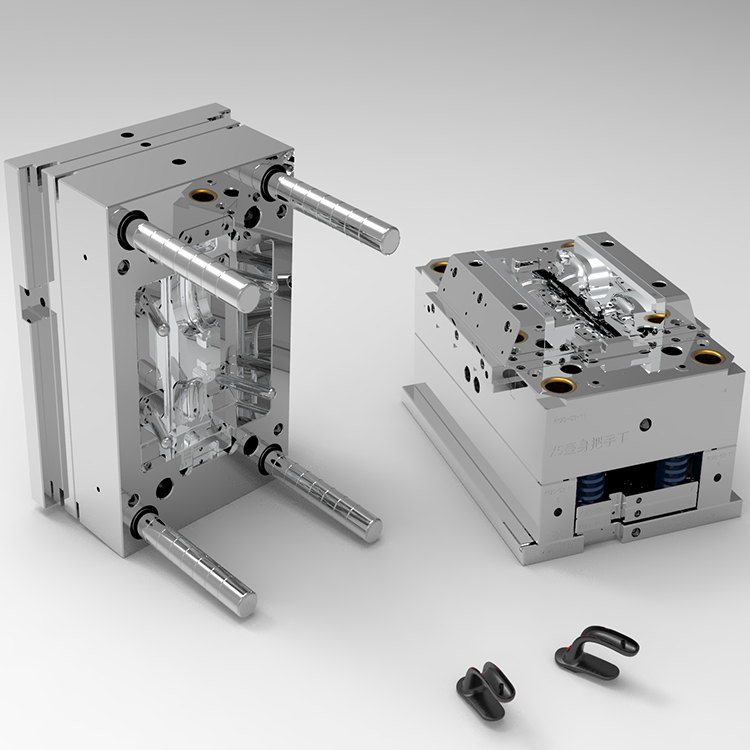
In everyday stamping operations, the difference between a smooth run and a scrapped batch often comes down to the basics—clearance, lubrication, and press alignment. For a typical mild steel sheet of 1.5 mm thickness, the recommended die clearance per side should be around 10–12% of material thickness, which translates to 0.15–0.18 mm. Going tighter risks excessive burr and punch wear; going looser leads to rollover and poor edge quality. Also, always check the press tonnage curve—don’t just rely on the nameplate rating. A 200-ton press may only deliver 160 tons of usable force at the bottom of the stroke, which matters for deep draws or heavy trimming operations.
Tool steel selection is another area where many shops cut corners. For high-volume progressive dies, D2 or M2 are common for punches, but for abrasive materials like stainless or coated steels, consider powder metallurgy grades such as CPM 10V or ASP 23. These offer better wear resistance, though they require proper heat treatment—typically 58–62 HRC—and a good surface finish on the cutting edges. Don’t forget the stripper: a well-designed spring-loaded stripper not only holds the strip flat but also reduces punch impact, extending tool life by up to 30% in our experience. And for lubrication, use a chlorine-free stamping oil with a viscosity around 20–40 cSt at 40°C for most carbon steels; for aluminum, switch to a lighter oil to avoid staining.
Finally, monitor your process with simple checks: measure burr height every 2,000 strokes, and inspect the die surface for pick-up or galling after each shift. A burr height exceeding 10% of material thickness usually signals dull tooling, and waiting too long to resharpen can cause chipping. Keep a log of these readings—trends matter more than single values. If you’re sourcing new dies or looking for a reliable stamping partner, visiting MoldWorld (www.moldw.com) gives you access to verified mold and die suppliers, along with technical forums where these real-world issues are discussed daily.