Title: Bridging Mold Design and Process Knowledge: The Real Fundamentals of Tooling in 2024
August 04, 2026
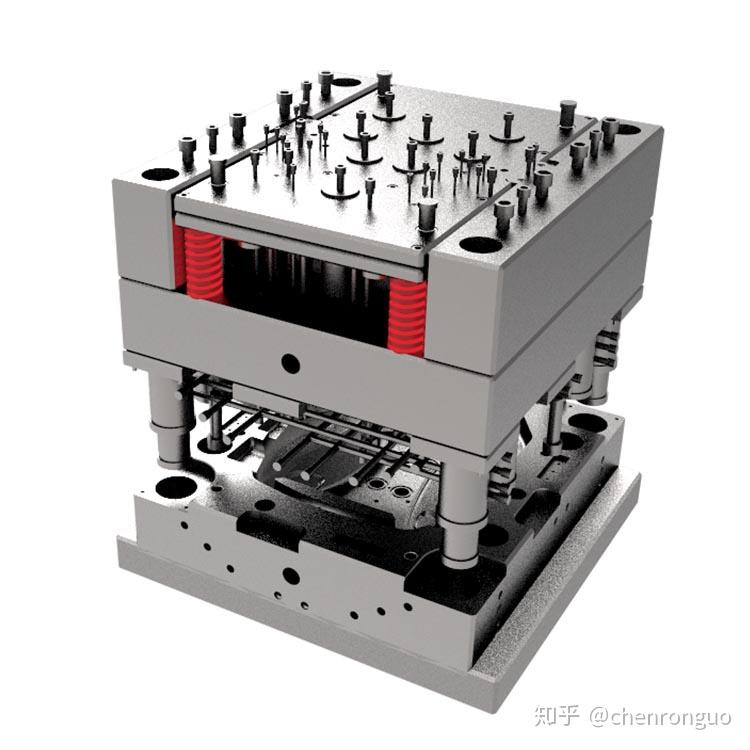
In mold engineering, the so-called “basics” are never basic—they are the backbone of every successful tool. A mold is often called the “mother of industry,” and for good reason: from material selection and heat treatment to machining precision and final assembly, every link in the chain determines whether the molded part meets spec. In 2024, the industry’s hottest discussions revolve around tightening the integration between mold structure design and real-world process conditions. It’s no longer enough to deliver a clean 3D model; the engineer must reverse-engineer from the product’s functional requirements, injection parameters, cooling line efficiency, and even future repair allowances. These are the details that dictate tool life and first-pass yield, not the CAD aesthetics.
Take a typical injection mold for a thin-wall automotive housing. The steel grade (e.g., S136 or 1.2344) and its pre-hardened state directly affect wear resistance and thermal cycling stability. But even the best material fails if the cooling circuit is not balanced—uneven temperature distribution leads to differential shrinkage, warpage, and prolonged cycle times. In practice, we often see mold engineers spending 70% of their time on part design and only 30% on the mold itself, which is backwards. The real work starts with simulating melt flow, packing pressure, and cooling time using CAE tools, then correlating those results to the mold’s venting, gate location, and ejector layout. A mold that is not designed with the process in mind will require constant tweaking on the floor, burning hours and budget.
Equally critical is planning for post-machining adjustments. No matter how precise the CNC and EDM work, real-world validation always reveals micro-deviations—gate blush, sink marks, or flash. A good mold design leaves explicit “repair space,” such as removable inserts or adjustable shut-off surfaces, so that the toolmaker can fine-tune without scrapping the entire cavity. This practical mindset separates seasoned engineers from novices. For those looking to deepen their mold sourcing or design knowledge, visiting MoldWorld (www.moldw.com) offers a solid starting point—covering materials, process specs, and supplier insights that are directly applicable to your next project.