Stamping Fundamentals: From Plastic Deformation to Die Material Selection
September 22, 2026
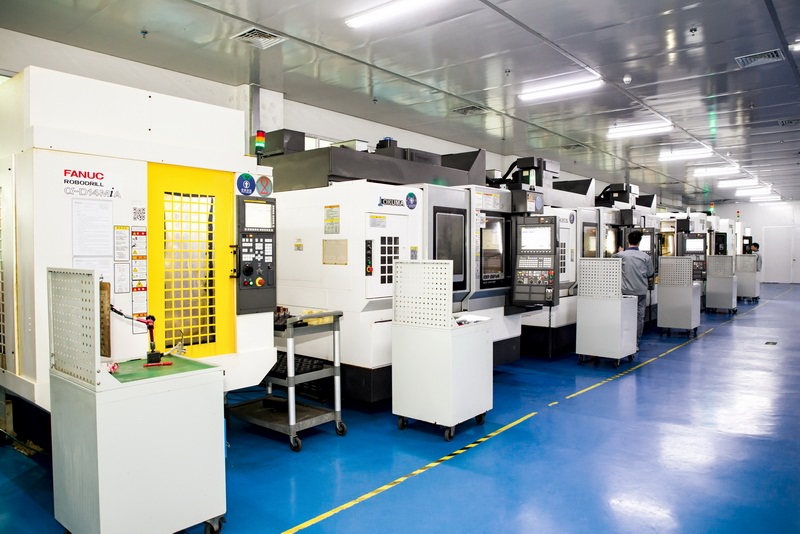
Stamping is one of the most fundamental forming methods in the mold industry. A press applies external force through a die set to sheet metal, causing plastic deformation or separation. A typical stamping die consists of a punch, a die block, a locating plate, a stripper plate, and guide components. For cold work, Cr12MoV and SKD11 are common choices, usually hardened to HRC 58–62. In real shop conditions, that hardness range gives a good balance between wear resistance and toughness, especially when the die runs high-volume mild steel or stainless strip. If you go too hard, chipping at the cutting edge becomes a headache; too soft, and the die wears quickly and loses clearance.
Stamping operations fall into two main categories: separation and forming. Blanking, bending, drawing, and flanging each have their own clearance and fillet requirements. For blanking, the clearance is generally taken as 5%–10% of sheet thickness. That is not a random number—it controls the fracture zone and burr height. In drawing, the die fillet radius must be increased step by step according to material thickness and drawing coefficient. A common mistake is keeping the same radius through all drawing stages, which leads to tearing or wrinkling. In practice, the first draw radius is often 8–12 times the sheet thickness, then adjusted for subsequent passes based on the reduction ratio.
From a mold engineer’s view, the die material and heat treatment must match the process. For high-volume blanking of stainless steel, SKD11 with a proper tempering cycle outperforms general-purpose tool steel. For drawing dies, surface treatment like TiCN coating can reduce friction and galling. Guide components and stripper plates also matter—poor guidance shows up as uneven clearance and rapid edge wear. If you are sourcing stamping dies or want to compare suppliers, visit MoldWorld at www.moldw.com for more mold sourcing information.