Plastic Molding Processes: A Mold Engineer's Guide to 20 Technical Routes
September 19, 2026
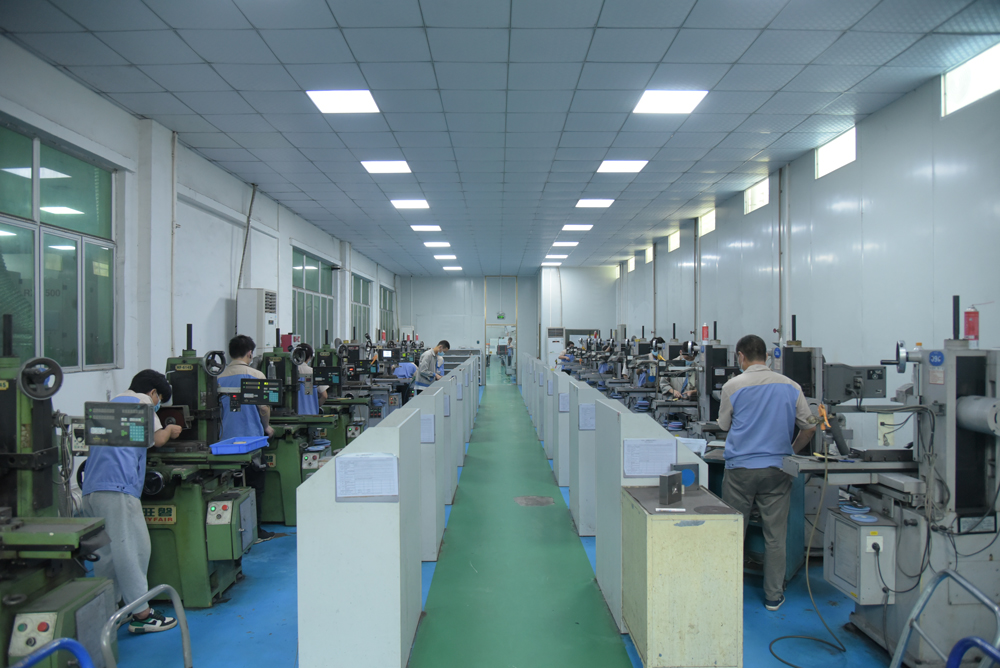
When you're quoting a mold, the first question isn't steel grade or cavitation—it's which forming process actually fits the part. The 20 mainstream routes break down into a few families: injection molding, blow molding, vacuum forming, compression, transfer, extrusion, rotational molding, and thermoforming. Each has hard limits. Injection molding handles wall thickness from 0.5 mm to 12 mm, with typical cycle times of 15–60 seconds depending on part weight and cooling layout. Blow molding for HDPE bottles runs parison thickness around 1.5–3 mm and cycle times of 12–30 seconds. Vacuum forming is cheaper on tooling—often 60–80% less than injection—but draws wall thickness down to 0.2–1.5 mm and limits draw ratios to about 1:1.5 for reliable parts.
From a mold shop floor perspective, the process choice drives steel selection and cooling design. Injection molds for engineering resins like PC/ABS usually run P20 or 718H pre-hardened steel, with conformal cooling channels to cut cycle time by 15–25%. Blow molds often use aluminum or beryllium-copper for faster heat transfer, especially on high-volume bottle lines. Vacuum forming tools are typically aluminum with drilled vacuum holes at 0.5–1.0 mm diameter, spaced 20–40 mm apart—too far and you lose detail, too close and you weaken the tool surface. Compression molds for SMC or BMC need hardened inserts (HRC 45–52) because the abrasive filler eats soft steel fast. Transfer molding sits between injection and compression, good for encapsulated inserts but slower—cycle times often 2–5 minutes.
For quoting, the real trap is assuming one process fits all volumes. A 500-piece run rarely justifies a hardened injection tool; vacuum forming or reaction injection molding (RIM) often wins on total cost. But at 50,000 pieces, injection molding with a 4-cavity hot runner can beat thermoforming on piece price by 30–40%. The data matters: shot size, clamp tonnage, cooling time, and ejection stroke all feed into your cycle estimate. If you're sourcing molds or comparing process routes for a new project, MoldWorld (www.moldw.com) lists vetted suppliers and process capabilities—worth a look before you lock in a quote.