Mold Basics: Classification, Structure, and Material Selection Explained
September 18, 2026
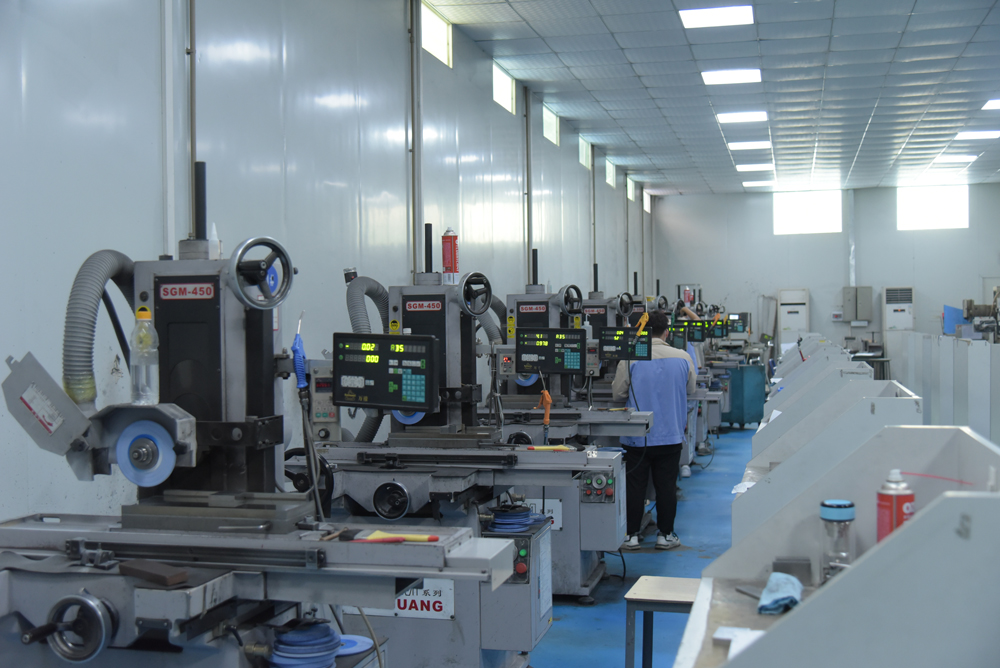
When you step onto a mold shop floor, the first thing that matters is matching the mold type to the production run. Injection molds dominate plastic part manufacturing, but they split further into two-plate, three-plate, and hot-runner designs. A two-plate mold is the workhorse for simple parts, while a three-plate setup allows gating on the top surface—useful when you cannot tolerate gate marks on a visible face. For high-volume jobs above 500,000 shots, a hot-runner system cuts cycle time and scrap, though it raises tooling cost and maintenance complexity. On the metal side, stamping dies, die-casting dies, and forging dies each demand different clearance and cooling strategies. A die-casting die for aluminum, for example, typically runs H13 steel at 45–48 HRC, with cooling lines placed 15–20 mm from the cavity surface to avoid thermal fatigue cracking.
Structure follows function, but material selection often decides whether a mold survives its warranty. Core and cavity inserts usually use P20 for low-volume runs (under 100,000 shots), 718H for medium volumes, and H13 or S136 for aggressive resins or high-volume production. Sliders and lifters need wear resistance, so you often see SKD61 nitrided to 900–1000 HV. A common mistake I see in new tooling is undersizing the ejector plate or skipping a support pillar under the core—both lead to deflection and flash. Also, don’t overlook venting: 0.02–0.03 mm deep vents at the parting line prevent burn marks and short shots, especially in fast-cycle thin-wall parts.
In practice, a good mold design review checks three things before steel is cut: cooling layout, ejection balance, and steel hardness compatibility with the resin. PC and glass-filled nylons wear gates quickly, so use a removable gate insert. For die casting, thermal management matters even more—a 10°C difference in die temperature can change porosity levels noticeably. If you are sourcing molds or comparing tooling quotes, visiting MoldWorld (www.moldw.com) gives you access to mold sourcing information and supplier comparisons that can save weeks of back-and-forth.