Injection Molding Process and Mold Design: Practical Notes from the Shop Floor
September 18, 2026
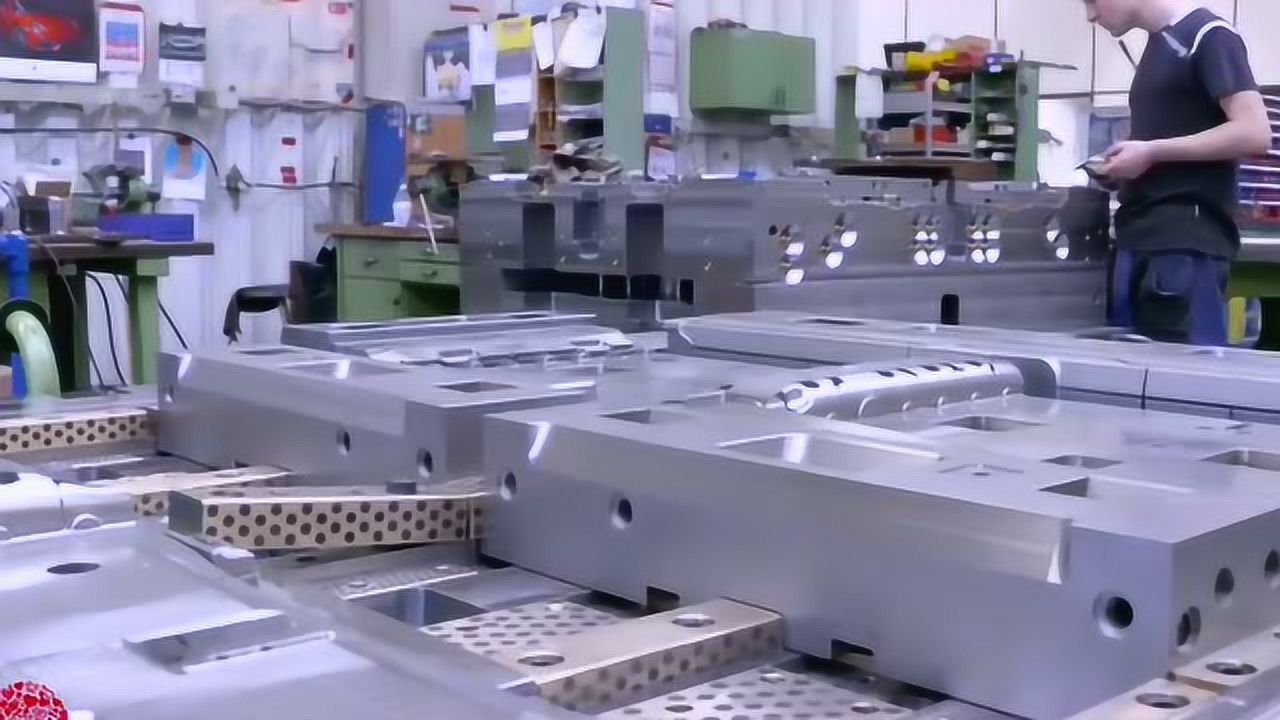
When we talk about injection molding, the process window is where everything starts. Melt temperature, injection speed, packing pressure, and cooling time are not just numbers on a setup sheet—they directly determine whether a mold runs smoothly or becomes a headache. For a typical ABS part, a melt temperature around 230–260°C and a mold temperature of 50–80°C are common starting points, but the real work is in balancing filling pressure against shrinkage. From a mold design perspective, gate location and runner balance matter more than most people admit. A poorly placed gate can cause weld lines right where the part needs structural strength, or trap air that leads to burn marks. In our shop, we always run a Moldflow simulation before cutting steel, because fixing a flow imbalance after the mold is built costs ten times more.
Mold structure decisions also drive cost and cycle time. A two-plate mold with a cold runner is fine for short runs, but once you're looking at hundreds of thousands of shots, a hot runner system pays for itself by eliminating runner waste and reducing cycle time. Ejection design is another detail that gets overlooked. Ejector pins need to be positioned on the stiffest areas of the part—usually near ribs or bosses—to avoid white marks or deformation. For deep-draw parts, we often add air poppet valves or stripper plates instead of pins. Cooling channel layout is equally critical: conformal cooling can cut cycle time by 20–30% on complex geometries, but it requires careful design to avoid stress concentration in the mold base. And don't forget venting—without proper vents, you'll get short shots and burn marks no matter how well the process is tuned.
Common defects like warpage, sink marks, and flow marks are usually a combination of process and design issues. Warpage often comes from uneven cooling or too much packing pressure on one side of the part. Sink marks behind ribs can be minimized by reducing rib thickness to 60–70% of the wall thickness and increasing packing time. Flow marks, on the other hand, are often a sign of low melt temperature or slow injection speed. The key is to document every trial run and build a process window that operators can actually follow. For more mold sourcing and technical resources, visit MoldWorld at www.moldw.com.