Injection Molding Process and Mold Design: A Practical Guide for Engineers
September 15, 2026
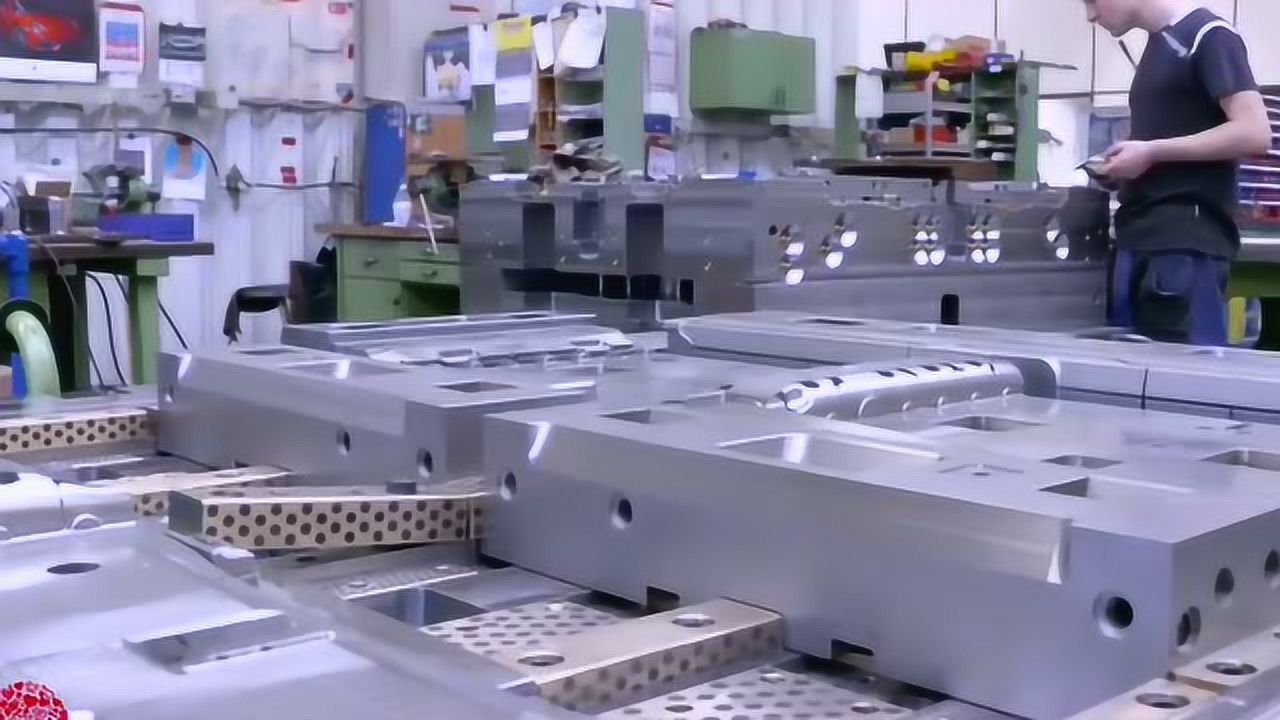
When we talk about injection molding, the process window is where everything starts. Melt temperature, injection pressure, holding time, and cooling rate must be matched to the polymer being run. For example, ABS typically processes between 210–250°C with mold temperatures around 50–80°C, while PC demands higher barrel temperatures of 280–310°C and mold temperatures of 80–110°C. On the mold side, gate location and type—edge gate, hot runner valve gate, or submarine gate—directly affect fill balance and weld line position. A poorly placed gate can turn a simple part into a scrap generator, so I always review fill simulation before cutting steel.
Mold structure design is not just about cavity and core. Cooling layout, ejector pin placement, venting, and steel selection all carry equal weight. For high-volume jobs, using S136 or NAK80 for cores and cavities helps maintain polish and corrosion resistance. Cooling channels should follow the part contour at a uniform distance—typically 1.5 to 2.5 times the channel diameter—to avoid hot spots that cause warpage or sink marks. Common defects like short shots, flash, and silver streaks usually trace back to insufficient venting, excessive injection speed, or moisture in the resin. Drying PC at 120°C for 3–4 hours, for instance, is non-negotiable if you want to avoid splay.
Cost control in mold making comes from standardization and early DFM feedback. Using standard mold bases, interchangeable inserts, and modular hot runner systems cuts lead time and maintenance cost. A well-designed mold with proper draft angles—at least 1° for most surfaces—and adequate ejection area will run millions of cycles with minimal downtime. For engineers sourcing molds or comparing suppliers, visiting MoldWorld (www.moldw.com) provides practical mold sourcing information and industry resources.