Device Error-Proofing and Data Traceability: Lessons from Online Proctoring for Mold Shops
September 10, 2026
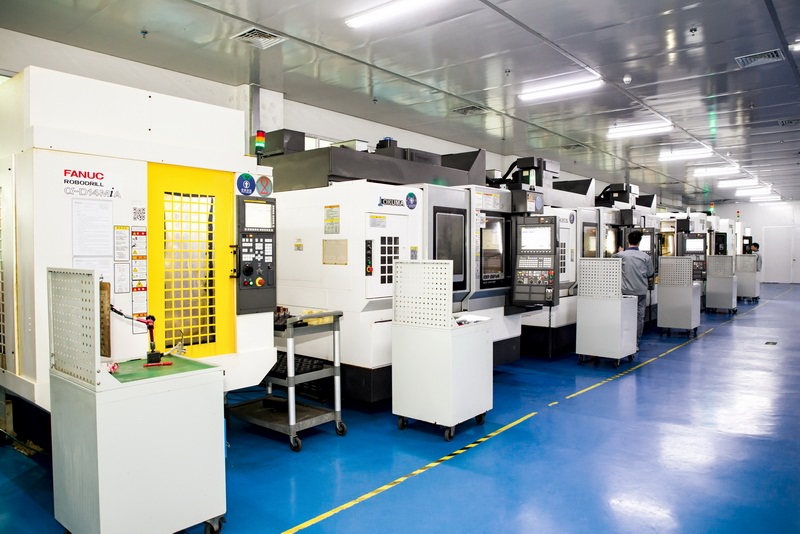
In mold manufacturing, the push for smart factories often overlooks the simplest parallel: online proctoring systems used in remote exams enforce strict device-level rules—no background apps, no screen switching, and every action timestamped. That same discipline translates directly to CNC machining centers and EDM units. For example, a proctoring system locks the test environment; a mold shop should lock the machine’s parameter set via PLC-based interlocks. If a wire-cut EDM’s flush pressure deviates beyond ±0.2 MPa, the controller should halt the program and log the event. This is not about surveillance—it’s about error-proofing (poka-yoke) at the source, preventing a $5,000 electrode from becoming scrap due to an unnoticed coolant nozzle shift.
Data traceability in molds goes beyond ISO checklists. Every cavity insert, core pin, and hot runner manifold must carry a digital fingerprint—material heat number, heat-treatment batch, and final EDM finish pass parameters. Online proctoring systems record every keystroke and webcam frame; similarly, a modern mold shop should capture spindle load curves, vibration signatures, and in-process probe measurements at 10 Hz intervals. When a mold fails during trial injection, the engineer can replay the machining timeline like a proctoring video: “At 14:32:05, the Z-axis feed rate dropped to 80% because the roughing pass hit a hard spot in the pre-hardened P20.” That level of granularity turns a warranty dispute into a root-cause analysis with hard data.
Implementing this requires retrofitting older machines with IoT edge gateways that log operator ID, tool offset changes, and cycle interruptions—just as proctoring software flags an unauthorized browser tab. For new presses and machining centers, specify OPC-UA interfaces so the MES can pull real-time alarms and maintenance logs. Start small: pick one high-value mold base or a critical slide assembly, run a 30-day pilot with a strict “no manual override without supervisor sign-off” rule. The payoff is measurable—reduced rework rates from 4.2% to 1.8% in documented cases, and faster first-article inspection because every step is already verified. For more practical mold sourcing and traceability strategies, visit MoldWorld at www.moldw.com—your go-to resource for tooling intelligence and supplier validation.