Hidden Cost Traps in Injection Molding: Mold Life and Material Loss Beyond the Quotation
September 05, 2026
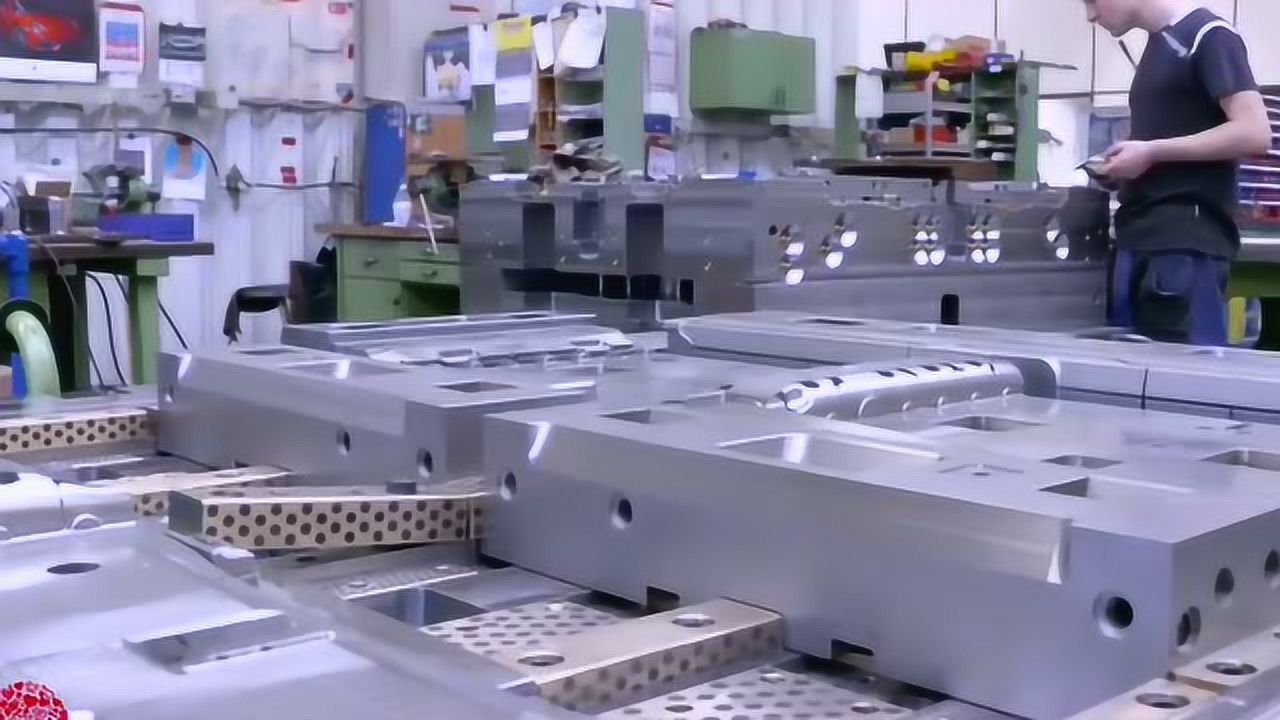
In everyday injection molding cost calculations, most engineers focus on cycle time, machine hourly rates, and resin unit price—but the two most frequently overlooked variables are effective mold life and material loss ratio. A typical mold designed for 500,000 shots may only deliver 380,000–420,000 usable parts before requiring major steel replacement, especially when the part has deep ribs or unsupported cores. That 20–25% shortfall directly raises the amortized tooling cost per part by the same percentage, yet many quotations still assume full rated life. Similarly, material loss is not just sprue and runner scrap. Real-world losses include startup purge, regrind degradation after three to five reprocessing cycles, and hidden spillage during color changes—often totaling 6–9% of the resin weight, not the 3% commonly budgeted. When a part weighs 85 grams and runs at 0.45 USD per kilogram of ABS, a 5% underestimation in waste adds roughly 0.019 USD per shot, which over a million parts becomes a 19,000 USD silent loss.
For mold engineers, the practical fix is to define mold life in terms of *maintainable cavity condition* rather than raw shot count. If a mold runs glass-filled PBT, abrasive wear on gate inserts can cause flash after 120,000 cycles—so the quotation should include a planned insert replacement at that interval, not just a final overhaul at 300,000. Also, check the runner system: a cold runner with a 4-gate layout on a 2-cavity mold may yield 18% runner weight, but switching to a hot runner with a 0.8 mm valve gate can cut that to under 2%, while adding 12,000–18,000 USD to tooling cost. The break-even point is usually around 250,000 parts, so for short-run jobs, cold runner remains correct—but the quotation must show the runner regrind loss as a separate line item. Another trap is wall thickness variation: a nominal 2.5 mm wall that actually measures 2.7 mm at the core side increases part weight by 4.2%, and if the mold is not corrected, every subsequent shot carries that hidden resin cost.
To avoid these traps, always run a short-shot test at the mold trial stage and measure actual part weight against the CAD model. Document the cavity wear profile after every 50,000 cycles using a bore gauge or optical comparator, and update the cost model with real insert life data. Also, track material loss per batch—weigh resin fed versus parts plus runner scrap—for at least three production shifts. These numbers will tell you if your original 0.5% moisture purge allowance is realistic or if you need to add 1.2% for hygroscopic resins like PA66. In practice, a well-maintained mold with scheduled insert changes can achieve 92–95% of its rated life, but only if the quotation includes those maintenance cycles. For more detailed mold sourcing and cost-calculation templates, visit MoldWorld at www.moldw.com—where working engineers share verified tooling data and real shop-floor numbers.