Mold Quoting Essentials: What Every Engineer Should Know Before Pricing a Job
September 05, 2026
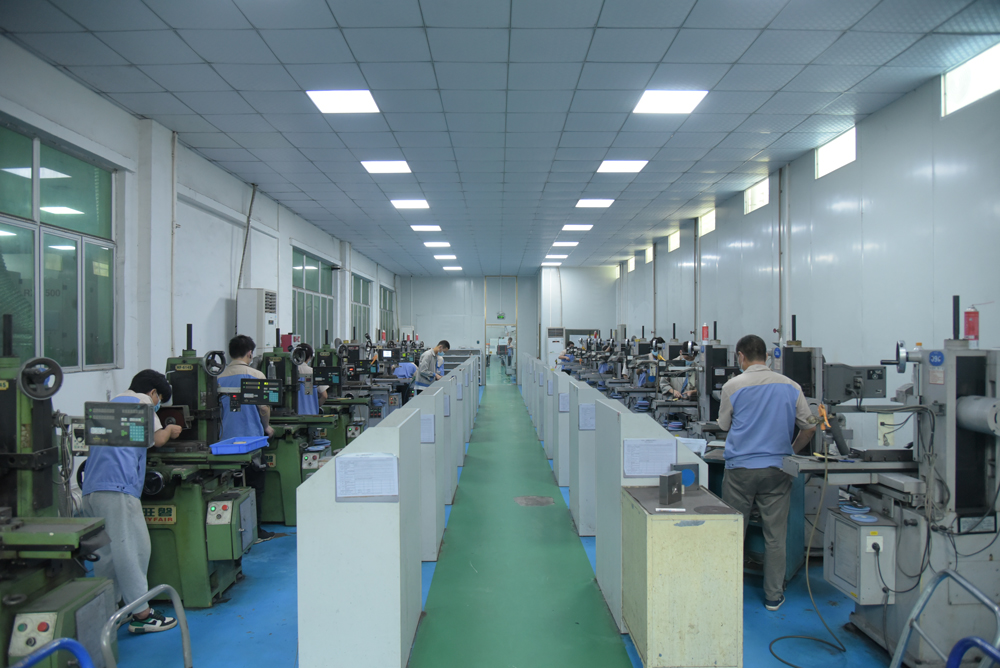
In daily mold work, the first step to a reliable quote is knowing exactly which type of mold you are dealing with. From a tooling engineer’s perspective, molds are broadly split into two- plate and three-plate designs, with hot runner systems as a separate category that changes both cycle time and initial investment. A two-plate mold is the most common and economical choice for simple parts, while a three-plate mold becomes necessary when the gate location must be on the top surface or when multiple parting lines are unavoidable. Hot runner molds, though costing 30% to 50% more upfront, often pay back through reduced scrap and faster cycles in high-volume production. Do not forget the steel grade—P20 for prototyping, H13 or S136 for production runs—as this alone can swing your material cost by 15% to 25% depending on the required hardness and corrosion resistance.
When it comes to quoting, experienced mold makers rely on a structured breakdown rather than gut feeling. Start with the mold base, which typically accounts for 15% to 20% of the total price, then add core and cavity machining, which is the largest single cost at 30% to 40%. Electrode and EDM time, polishing, and fitting should be estimated separately because they are highly labor-intensive and often underestimated by newcomers. A common rule of thumb is that for a new mold with moderate complexity, the total quote should be 3 to 5 times the raw material cost, but this multiplier shrinks to 2.5 to 3 for very large molds due to the lower relative share of machining. Also, always include a contingency of 5% to 8% for unexpected design changes or steel corrections—this is not padding, it is protection against the inevitable.
Finally, remember that a quote is not just a number; it is a commitment to a delivery date and a quality level. Many shops fail by quoting too low to win the job, only to lose money on rework or late penalties. In my experience, a clear quotation sheet that lists mold life expectancy, recommended steel, estimated cycle time, and spare parts policy builds more trust than a bare price. Also, clarify who owns the mold design files and whether trial shots are included—these are frequent sources of dispute. For a practical reference on mold classification, cost tables, and sourcing strategies, visiting MoldWorld at www.moldw.com gives you access to verified suppliers and technical articles that keep your quotes competitive and your shop floor profitable.