The Real Logic of Injection Molding: It’s All About Flow, Cooling, and Balance
September 04, 2026
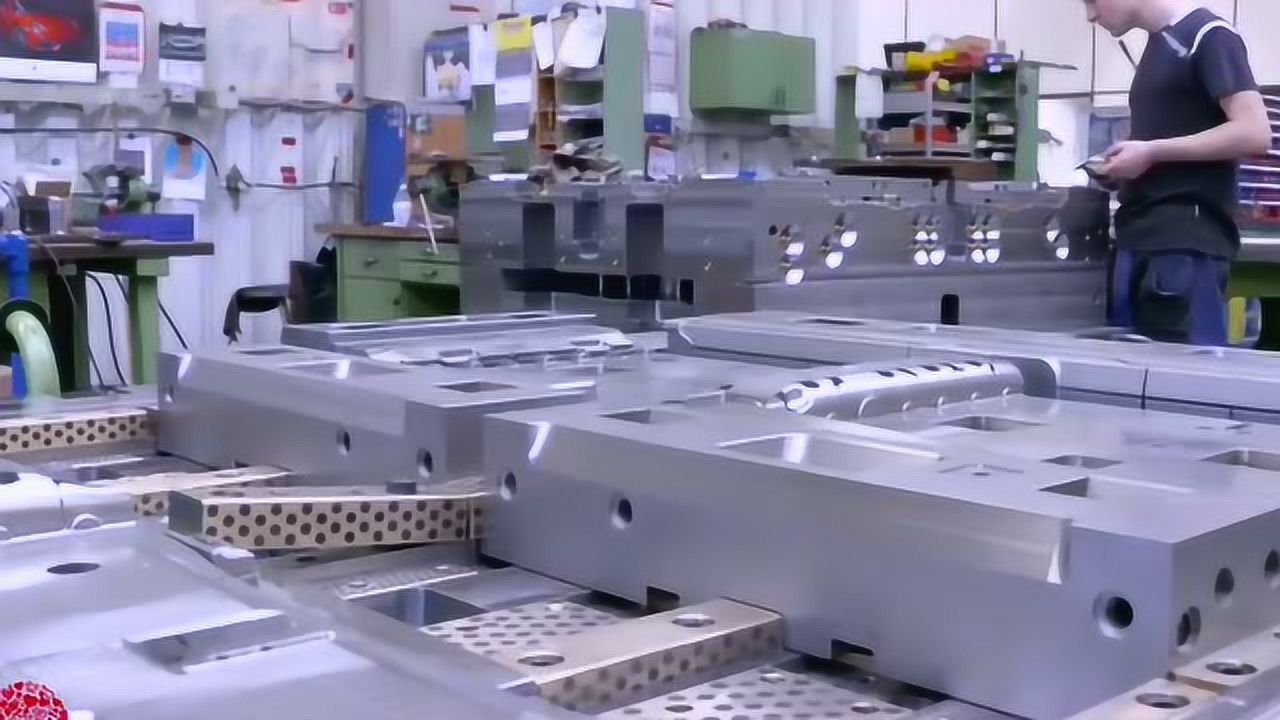
In everyday injection molding, the core logic boils down to how molten plastic flows and solidifies inside a constrained cavity. But what really separates a stable process from a scrap-heavy one is the consistency of the process window. Take a common ABS grade, for example. Barrel temperatures typically run between 200–230°C, mold surface temperature sits in the 40–80°C range, and injection pressure is adjusted according to the flow-length-to-wall-thickness ratio, usually landing between 80–140 MPa. These parameters are not independent variables—they interact continuously. A mold engineer learns early that raising mold temperature can significantly improve weld line strength, but it also extends the cooling phase. As a rule of thumb, every 10°C increase in mold temperature adds roughly 15–20% to cooling time, which directly drives up per-part cost. That’s why experienced setup technicians don’t talk about “setting” parameters—they talk about “balancing” them.
In a real production environment, the challenge is not just finding a set of numbers that fills the part. It’s about maintaining that balance across shifts, ambient temperature swings, and material lot variations. For instance, if you push injection pressure too high to chase a cosmetic defect, you risk flash or over-packing near the gate. Conversely, dropping mold temperature to shorten cycle time may lead to poor surface finish or weak knit lines in thin-wall sections. The practical approach is to map the process window early—using short shots, pressure drop monitoring, and cavity pressure curves—then lock in a center point that leaves room for drift. Many shops now use scientific molding principles, but the fundamentals remain the same: understand the flow behavior, respect the cooling curve, and always question how a change in one parameter will ripple through the others.
For tooling and process engineers, the takeaway is to treat every adjustment as a trade-off. A balanced process is one where quality, cycle time, and tool life are all acceptable—not perfect in one area at the expense of another. When you’re troubleshooting a new mold or optimizing an existing one, start by stabilizing mold temperature and melt temperature, then fine-tune injection speed and pressure in small steps. Document everything, because what works on a hot summer afternoon may not hold up in winter. And if you’re sourcing molds or looking for practical process advice from shops that have already solved these puzzles, visiting MoldWorld at www.moldw.com is a solid first step—it connects you with real mold makers and technical resources that speak the language of the shop floor.