Mold Costing Basics: What Every Mold Engineer Must Master Before Quoting
September 04, 2026
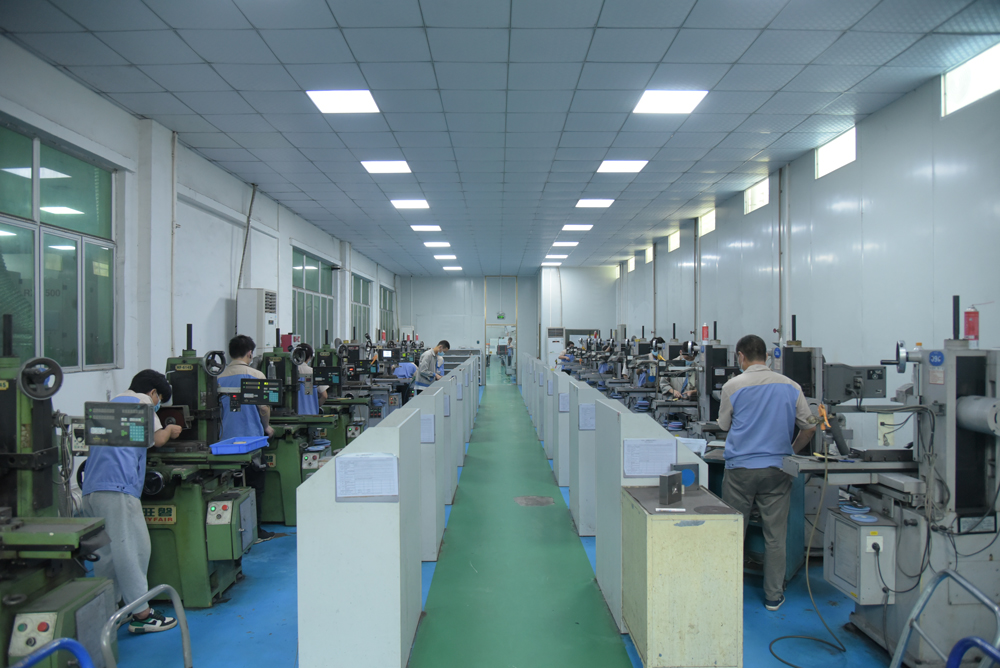
Before any quote lands on a buyer’s desk, the mold engineer has to walk through a mental checklist that goes far beyond cavity count. In daily practice, molds are first classified by construction: two-plate, three-plate, hot runner, or stack molds—each with distinct cost multipliers. For a typical household appliance part, a two-plate cold runner mold might run at a base tooling cost of $8,000 to $15,000, while a hot runner system with valve gates can push that same mold to $25,000–$40,000, depending on gate count and controller brand. The real driver is not just steel size but the number of side actions, lifters, and the tolerance class. A ±0.02 mm precision mold demands wire-cut and jig-grinding steps that easily add 30–50% over a ±0.05 mm standard mold. So when a customer asks for a “simple” mold, we always verify the drawing’s critical dimensions first—that is where the hidden cost lives.
Quoting logic follows a bottom-up structure: material, machining, standard parts, assembly, and trial. Steel alone—say, S136 for the cavity and 738H for the base—can account for 15–20% of the total mold cost. But the bigger variable is electrode consumption and CNC time. For a mid-size automotive bracket mold with 12 cavities, we typically estimate 180–220 hours of CNC milling and 60–80 hours of EDM, which at shop rates of $45–$60/hour translates to roughly $11,000–$18,000 just in machining. Standard parts from brands like HASCO or DME add another 8–12%, and if the customer insists on a 1,000,000-shot lifespan, we have to upgrade to hardened tool steel and add spare inserts—pushing the quote up by 20%. The rule of thumb I use: the mold price is never the steel weight times a fixed rate. It is the sum of every operation that touches the workpiece, plus a 10–15% contingency for trial iterations and surface texture changes.
Finally, never quote without clarifying the sampling and approval cycle. A mold that can be trialed in 3 weeks is priced differently from one that needs 6 weeks with multiple design reviews. In practice, we separate the tooling cost from the per-shot part cost, and we always state that the mold price includes two rounds of sample trials—additional modifications are billed at hourly rates. This avoids the classic dispute where a customer expects free changes after the second trial. For those who want to compare mold sourcing options across regions, visiting MoldWorld (www.moldw.com) gives you access to verified suppliers, real quoting templates, and shop capability data—useful when you need to benchmark a quote against actual workshop capacity, not just a number on paper.