Optimizing Injection Molding Process Parameters Through Full-Loop Collaborative Strategy
September 03, 2026
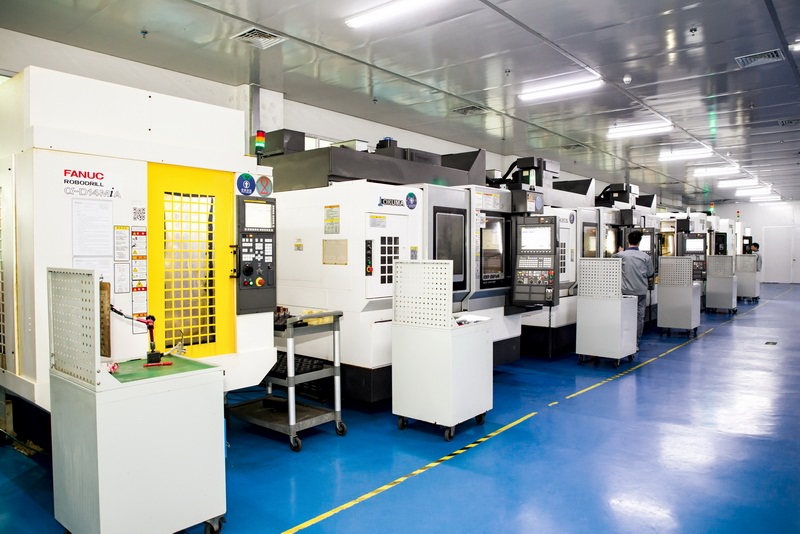
In injection molding, the days of tuning a single parameter in isolation are over. A truly effective strategy requires viewing the entire process—from melt preparation to packing and cooling—as one interconnected system. For instance, our shop found that adjusting barrel temperature by just 8°C (from 210°C to 218°C) for a POM gear housing altered the melt flow index by nearly 12%, which then required a corresponding 6% reduction in injection speed to prevent flash. This cascading effect is why we now log every setpoint change against cavity pressure curves. The key is to prioritize the packing phase: holding pressure should be set at 65–75% of the peak injection pressure, but only after verifying that the switchover point occurs at 95–98% of the screw stroke. Otherwise, you risk over-packing near the gate, leading to residual stress cracks that only show up after 48 hours of aging.
Cooling time is another area where collaborative optimization pays off. Standard charts might suggest a 25-second cycle for a 3mm ABS wall, but we achieved a 4-second reduction by synchronizing mold temperature (from 45°C to 52°C) with a slower, two-stage packing profile. The trick is to use a pressure transducer to detect the exact moment the gate freezes—typically when cavity pressure drops by 30%—and then immediately switch to a low-pressure hold of 20 MPa. This cut sink marks by 0.05mm on the visible surface. For crystalline materials like nylon 66, we also adjust the cooling rate in the first 10 seconds to control crystallinity, which directly impacts warpage. A 15% faster cooling rate in that window reduced flatness deviation from 0.22mm to 0.09mm, but only because we simultaneously raised the mold surface temperature near the ejector pins to avoid sticking.
Ultimately, the most robust parameter sets come from Design of Experiments (DoE) runs that include interaction terms—not just main effects. In a recent job for a PC/ABS automotive bezel, we ran a fractional factorial with five factors: melt temp, mold temp, injection speed, packing pressure, and cooling time. The interaction between mold temp and packing pressure accounted for 22% of the variance in weld line strength, a factor we would have missed with one-factor-at-a-time testing. Documenting these interactions in a shared process sheet has cut our setup time by 30% on repeat orders. For mold engineers struggling with similar issues, I recommend starting with a short-shot matrix to map the fill pattern, then locking in thermal parameters before touching pressure profiles. For more detailed case studies and sourcing of specialized hot runners or sensors, visit MoldWorld at www.moldw.com—a practical resource for shop-floor solutions.