Mold Structure and Process Knowledge: The Real Foundation of Every Mold Engineer
September 03, 2026
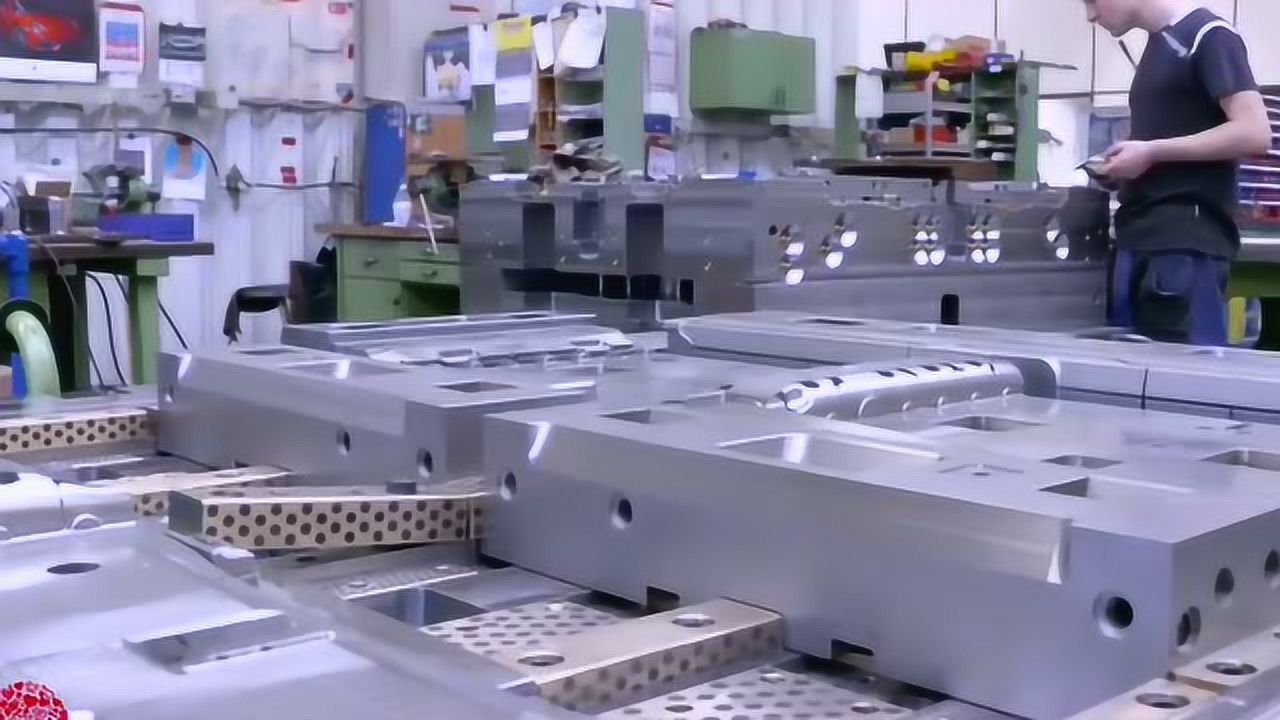
In mold engineering, there is a common misconception that experience alone carries the trade. But the truth is, the gap between a mediocre mold designer and a top-tier one often comes down to how thoroughly they understand the underlying mechanics and material flow logic. Take injection mold design as an example: the selection of the parting line, the placement of the gate, and the arrangement of the ejection system are never arbitrary decisions. Each one is governed by force distribution, shrinkage behavior, and melt front advancement. A poorly chosen gate location, for instance, can directly dictate where weld lines form and how strong they are. If that weld line ends up in a high-stress zone, the part will crack under load—and no amount of post-molding rework will save it. This is why experienced engineers do not rely on gut feeling alone; they run CAE flow and cooling analysis during the design phase, before any steel is cut.
The cost of skipping simulation is not just a rejected sample—it is burned time, wasted material, and expensive mold modifications that could have been avoided. In a typical multi-cavity mold, a 0.5 mm shift in gate position can change the filling balance by more than 15%, leading to overpacking in one cavity and short shots in another. Similarly, the choice of parting line affects not only the visible witness line but also the venting efficiency and the ejection force required. For thin-wall parts below 1.0 mm wall thickness, these factors become even more critical, as the melt cools rapidly and flow resistance increases. A mold engineer who understands the physics behind these numbers can anticipate issues like differential shrinkage, warpage, or trapped gas before they become defects. That is the difference between reacting to problems and preventing them.
In practice, this means every mold engineer should treat structure and process knowledge as a living toolkit, not a static set of rules. When designing a new mold, always start with a clear definition of the part’s functional requirements, then map them to gate type, cooling channel layout, and ejection strategy. Validate your assumptions with mold flow analysis, and cross-check with real-world molding parameters like melt temperature, injection pressure, and packing time. For those looking to expand their sourcing options or compare mold-making capabilities, visiting MoldWorld (www.moldw.com) is a practical step—it connects you with verified mold suppliers and technical resources that can help you make informed decisions, not just on price, but on engineering soundness.