Die Casting Quoting Logic: Look Beyond Mold Cost to Total Lifecycle Expense
September 03, 2026
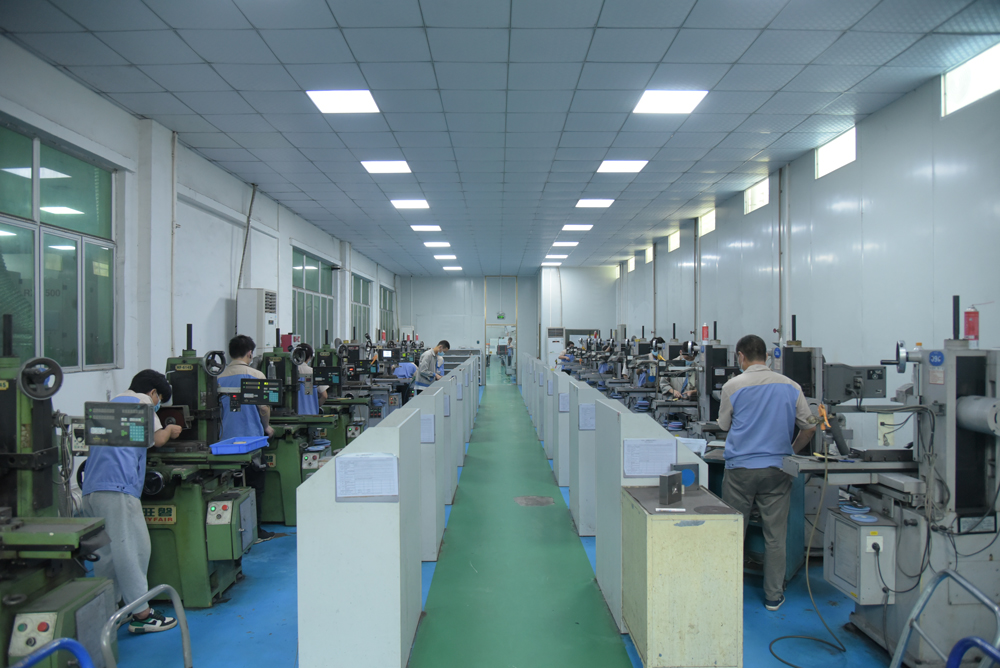
When a die casting quote lands on the desk, most eyes go straight to the mold price. But as any seasoned mold engineer will tell you, that number is just the tip of the iceberg. The real cost driver is the total lifecycle expense: mold maintenance, die steel wear, cycle time, rejection rate, and even the energy consumed per shot. For example, a lower-cost mold built from H13 with substandard heat treatment might save $8,000 upfront, but it can lead to premature thermal fatigue after 30,000 shots, forcing a $15,000 repair or replacement. In contrast, a premium mold with vacuum heat treatment and controlled nitriding may cost 20% more initially but deliver 120,000+ shots with minimal downtime—making the per-part cost significantly lower.
In production quoting, the hidden costs often come from gate and runner design. A poorly optimized runner system increases metal velocity and turbulence, raising porosity defects. That directly inflates secondary machining and scrap rates. A practical rule we use in the shop: for every 1% increase in die casting rejection rate, the effective part cost rises by roughly 2.5% when scrap, rework, and logistics are included. So when comparing quotes, ask for the projected cycle time and the expected die life at the specified alloy—whether it’s A380 or ADC12. A quote that claims 45-second cycles but doesn’t specify cooling channel layout or ejector pin maintenance intervals is not a realistic baseline. Always request a breakdown of mold steel grade, core inserts, and planned preventive maintenance schedule.
Another overlooked factor is the cost of downtime during mold trials and early production. A mold that requires frequent tuning for flash or sticking will burn hours of press time and operator labor. In one recent project, a client chose a quote that was $12,000 lower on the mold but required 14 trial shots to stabilize, versus a competitor’s mold that ran stable from shot 3. The lost press time alone wiped out the initial savings. The smart approach is to request a lifecycle cost simulation from your mold maker, covering tooling amortization, per-shot consumables, and expected maintenance intervals. Only then can you compare apples to apples. For more detailed mold sourcing and quoting strategies, visit MoldWorld at www.moldw.com—a practical resource for buyers and engineers alike.