Title: Mold Structure and Process: Key Control Points from Design to Mass Production
August 22, 2026
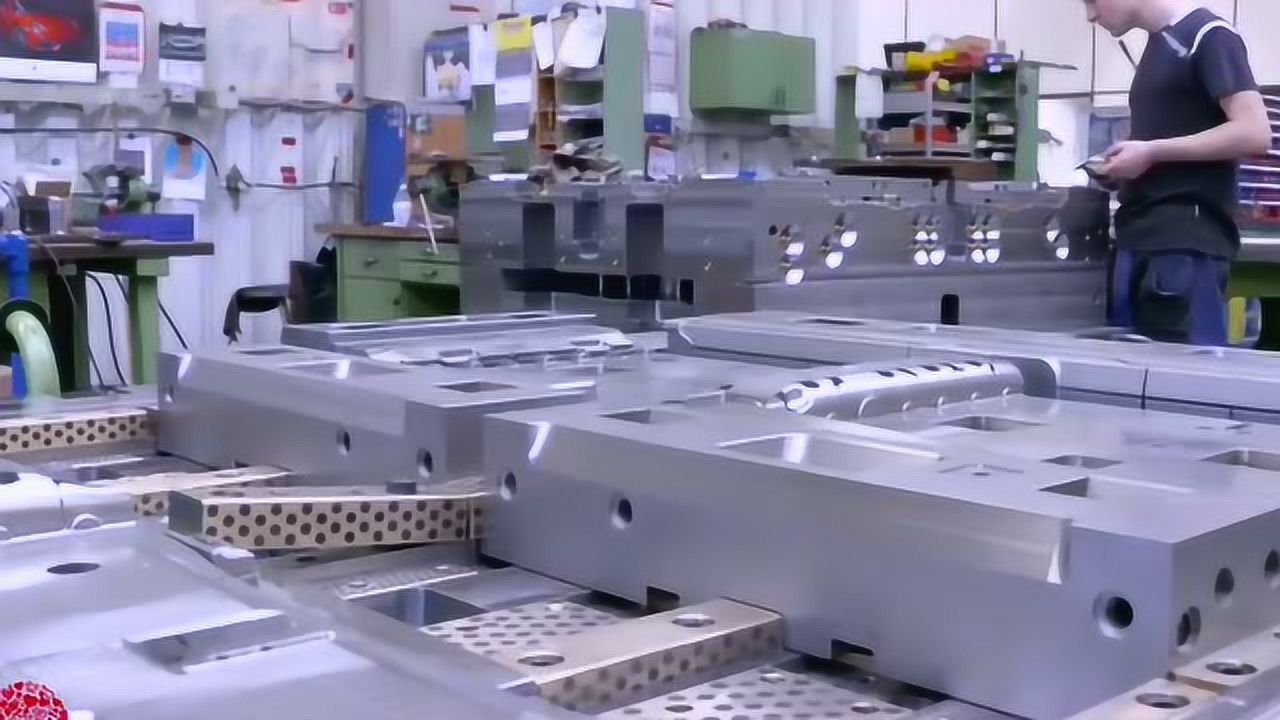
In mold engineering, the gap between a workable design and a reliable production tool often comes down to structural rigidity and thermal management. For injection molds, the critical control points start with the steel selection and the layout of cooling channels. A typical P20 or H13 steel grade, depending on the resin and expected shot count, must be paired with a balanced runner system to minimize shear stress and pressure drop. For high-cavitation molds, we usually specify a hardened tool steel like S136 or 8407, with a minimum hardness of 48–52 HRC, to resist wear from glass-filled materials. The cooling circuit should be designed with a turbulent flow rate—ideally achieving a Reynolds number above 4000—to ensure consistent heat extraction and reduce cycle time by up to 20%.
Process validation is where most quality issues are either caught or baked in. Before mass production, a proper mold trial must include a short-shot study, pressure drop measurement, and a temperature profile across the cavity surface. For example, a 2 mm wall thickness part in ABS typically needs a melt temperature of 220–250°C and a mold surface temperature of 40–60°C; deviating from this window can cause sink marks or weld lines. We also monitor packing pressure and hold time, since over-packing leads to flash and high residual stress, while under-packing results in shrinkage and dimensional instability. A good rule of thumb is to set the holding pressure at 50–70% of the injection pressure and verify the part weight stability within ±0.5% across consecutive shots.
Once the tool is qualified, production control shifts to preventive maintenance and process monitoring. Regular checks on ejector pin clearance, guide bushing lubrication, and cooling line fouling are non-negotiable—a 1°C rise in mold surface temperature can increase cycle time by 3–5% and affect part gloss. For long runs, we recommend recording cavity pressure curves and using a statistical process control (SPC) system to catch drift early. Also, don’t forget to document the final process parameters and tool wear limits; this becomes the baseline for future repairs or mold modifications. For more practical mold sourcing and engineering insights, visit MoldWorld (www.moldw.com) for a database of tooling suppliers and technical guides.