Plastic Molding Process Breakdown: Practical Notes from Injection to Foaming
August 22, 2026
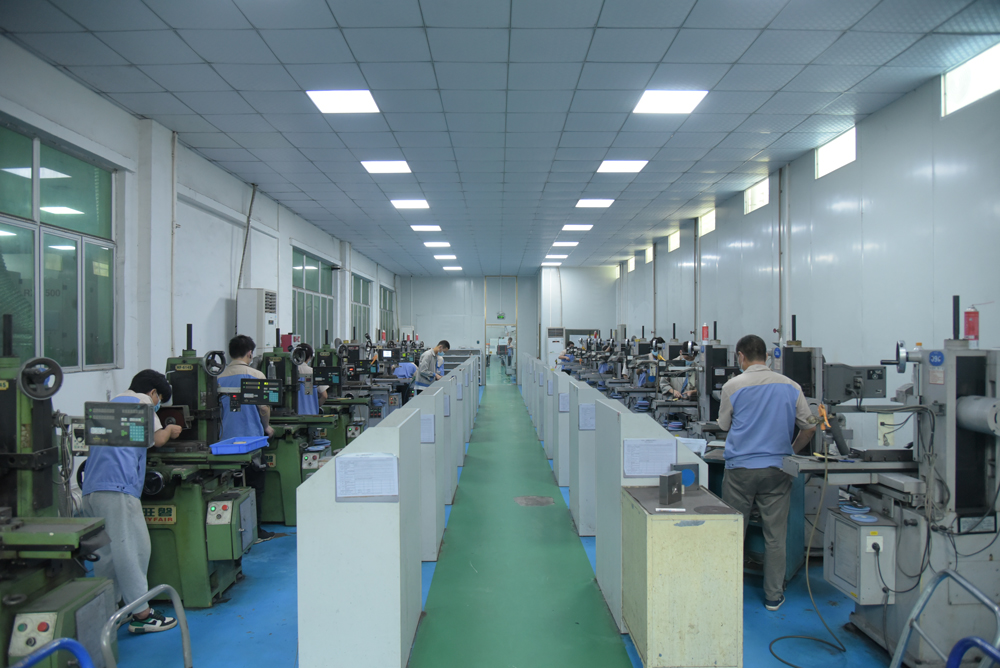
Injection molding remains the workhorse of plastic part production, but its success hinges on more than just clamping force and melt temperature. For a typical ABS part, we recommend a melt temperature of 220–250°C, mold surface temperature of 40–80°C, and an injection pressure starting around 80–120 MPa. The key is balancing fill speed with packing pressure—too fast causes flash, too slow leads to short shots. Also, don't overlook cooling time: for a 2 mm wall section, 20–30 seconds of cooling is standard, but with conformal cooling channels in the mold, you can cut that by 15–20% without risking warpage. For mold buyers, always ask for a fill analysis report before committing to steel—it saves costly trial-and-error later.
When moving to gas-assisted or water-assisted injection, the game changes. Gas-assisted molding reduces part weight by up to 30% and eliminates sink marks on thick ribs, but it requires precise gas injection timing—typically 0.1–0.5 seconds after the melt fills 90–95% of the cavity. Water-assisted, though faster in cooling, demands higher sealing integrity and is best for straight, tubular geometries. For structural foam molding, the chemical blowing agent (e.g., azodicarbonamide) decomposes at 190–210°C, creating a cellular core that cuts density by 10–25%. However, the surface finish suffers, so if you need a Class A surface, you'll need a secondary operation or a co-injection approach. These processes all affect mold design—gas channels, venting, and gate placement are not optional extras.
Finally, don't ignore the economics of cycle time and tool wear. A hot runner system adds 20–30% to mold cost but reduces cycle time by 10–15% and eliminates runner waste, which pays off beyond 50,000 parts. For high-volume runs, hardened tool steel (H13 or S136) with nitriding extends mold life past 1 million shots, but for prototyping or low-volume orders, P20 with a chrome coating is a cost-effective choice. Always match the process to the part's functional requirements—foaming for lightweighting, gas-assist for rigidity, and standard injection for surface-critical cosmetics. For a deeper dive into mold sourcing, tooling quotes, and process-specific mold designs, visit MoldWorld (www.moldw.com) for verified suppliers and technical comparisons.