Injection Mold Structure Design: The Three Pillars of Splitting, Gating, and Ejection
August 22, 2026
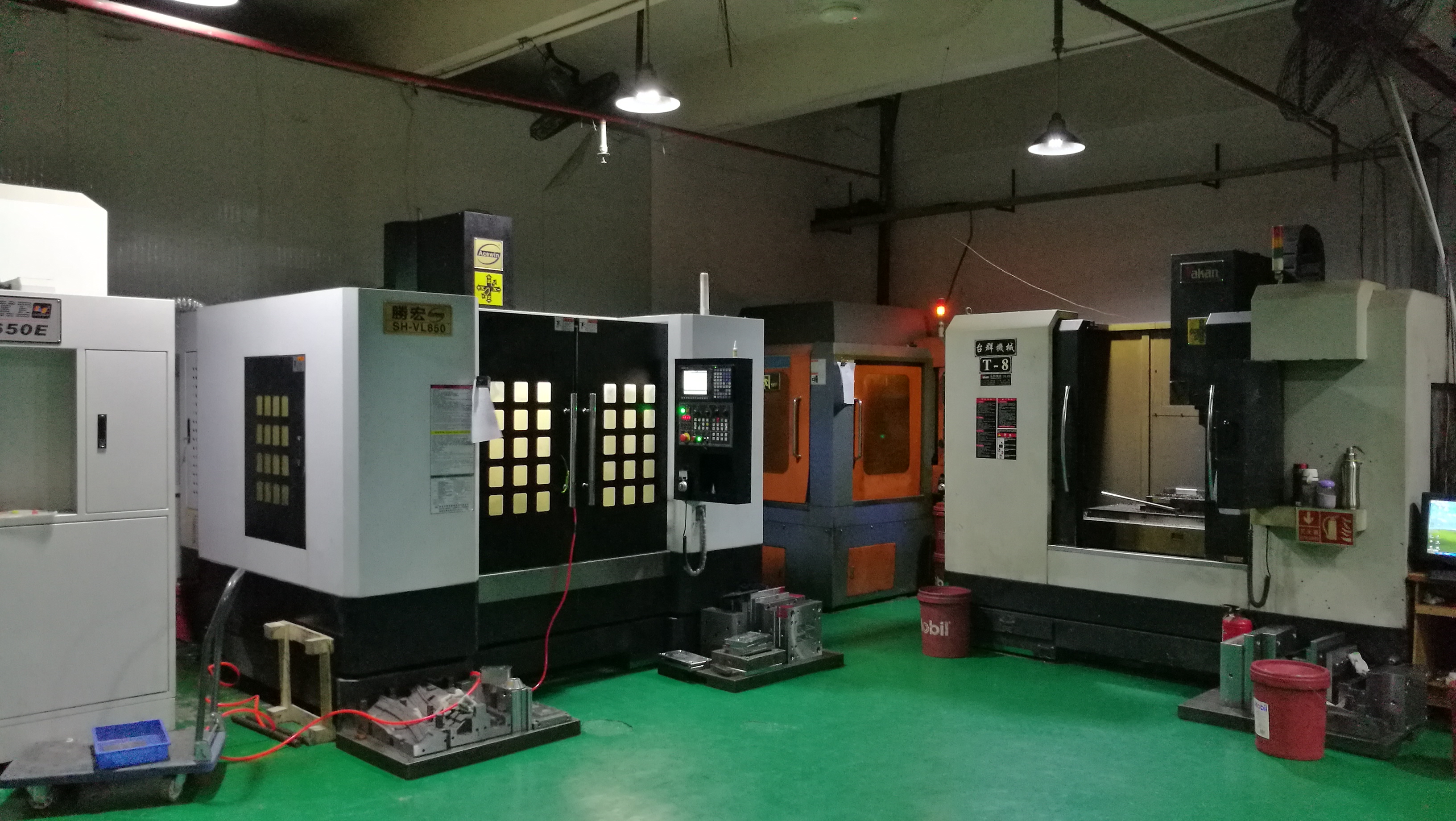
When you strip away the complexity of injection mold design, it always comes back to three core decisions: where to set the parting line, how to route the gate, and how to arrange the ejection system. For newcomers, staring at a full mold drawing can be overwhelming, but the truth is that most production molds are just variations of roughly two dozen classic frame structures. Two-plate molds, three-plate molds, and hot runner systems account for 70–80% of daily work. The real challenges live in compound designs—slide actions, angled lifters, and two-stage ejection—where a few millimeters of misalignment can turn a simple part into a scrap bin filler.
Take the simplest two-plate mold as an example. The A and B plates close, the sprue bushing aligns with the nozzle, and ejector pins push the part off. It sounds trivial, but switch to a submarine (tunnel) gate and the game changes. The gate must be positioned on the parting line with a precise angle, and the ejector pin location has to match that geometry. If the pin is even 0.2 mm off or the gate angle drifts by a couple of degrees, you get gate blush or, worse, stress whitening on the part surface. This is where most junior engineers lose time—not in the big picture, but in these small, unforgiving details that separate a robust mold from a headache.
For complex structures, I’ve found it helps to break down each mold into functional modules: the parting system, the feed system, and the ejection system. By studying cross-sections and action diagrams of all 24 standard frame types, you start to see patterns—how a slide interacts with a lifter, or why a secondary ejector plate is needed for deep ribs. This modular thinking is what turns textbook theory into shop-floor intuition. If you’re sourcing molds or troubleshooting a stubborn design, having a clear mental library of these structures will save you weeks of trial and error. For more practical breakdowns and sourcing guidance, visit MoldWorld at www.moldw.com.