Title: Mold Quoting Essentials: Structural Insights Every Tooling Engineer Must Master
August 21, 2026
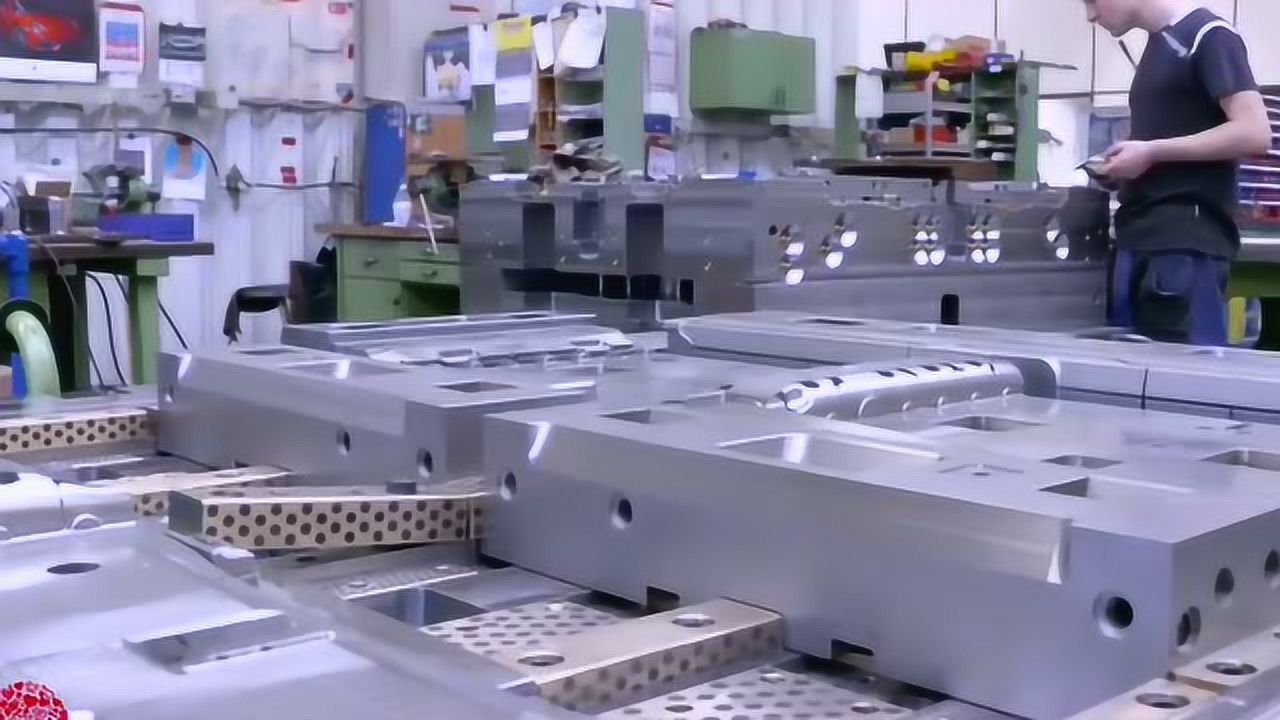
Understanding mold structure is the foundation of any reliable quote. A typical injection mold consists of the mold base, core and cavity inserts, ejection system, cooling channels, and gating system. The mold base—often made from standard grades like S50C or P20—accounts for roughly 30% of the total material cost, while hardened tool steels such as H13 or SKD61 for inserts can push that figure higher depending on expected production volume. For a new quote, always start by defining the parting line, number of cavities, and expected cycle time. These three parameters directly influence steel selection, machining complexity, and ultimately the price per part. A common rule of thumb: doubling the cavity count does not double the mold cost—it typically increases it by only 40–60%, which is why multi-cavity designs are favored for high-volume runs.
Quoting accuracy hinges on breaking down costs into tangible categories: design, material, machining, heat treatment, assembly, and tryout. Design work, including 3D modeling and flow analysis, usually runs 5–10% of the total mold price. Machining hours—CNC, EDM, and wire cutting—are the largest variable, often consuming 40–50% of the budget. For example, a typical two-plate mold with four cavities and a hot runner system might require 120–150 hours of CNC work and 30–40 hours of EDM, depending on surface finish and tolerance. Heat treatment, such as nitriding or vacuum hardening, adds another 5–8%, while assembly and tryout can take 10–15% of the total lead time. Do not forget cooling design: poorly placed channels can extend cycle time by 20%, which silently raises per-part cost over the mold’s lifetime.
Finally, quoting is not just about numbers—it is about risk management. Always clarify the expected production lifespan, resin type, and acceptable surface finish (e.g., SPI B1 or C3) before committing to a price. A mold built for 100,000 cycles does not need the same steel or heat treatment as one for 500,000 cycles. Include a clear payment schedule, typically 30% deposit, 40% at first trial, and 30% before delivery, and specify who owns the design files after completion. These details prevent disputes and protect both sides. For more mold sourcing insights, practical templates, and supplier evaluation checklists, visit MoldWorld at www.moldw.com—a solid resource for tooling engineers and procurement teams alike.